Reigniting Kuwait's Tourism Through the 26th Gulf Cup
%25201-min.avif)
.webp)
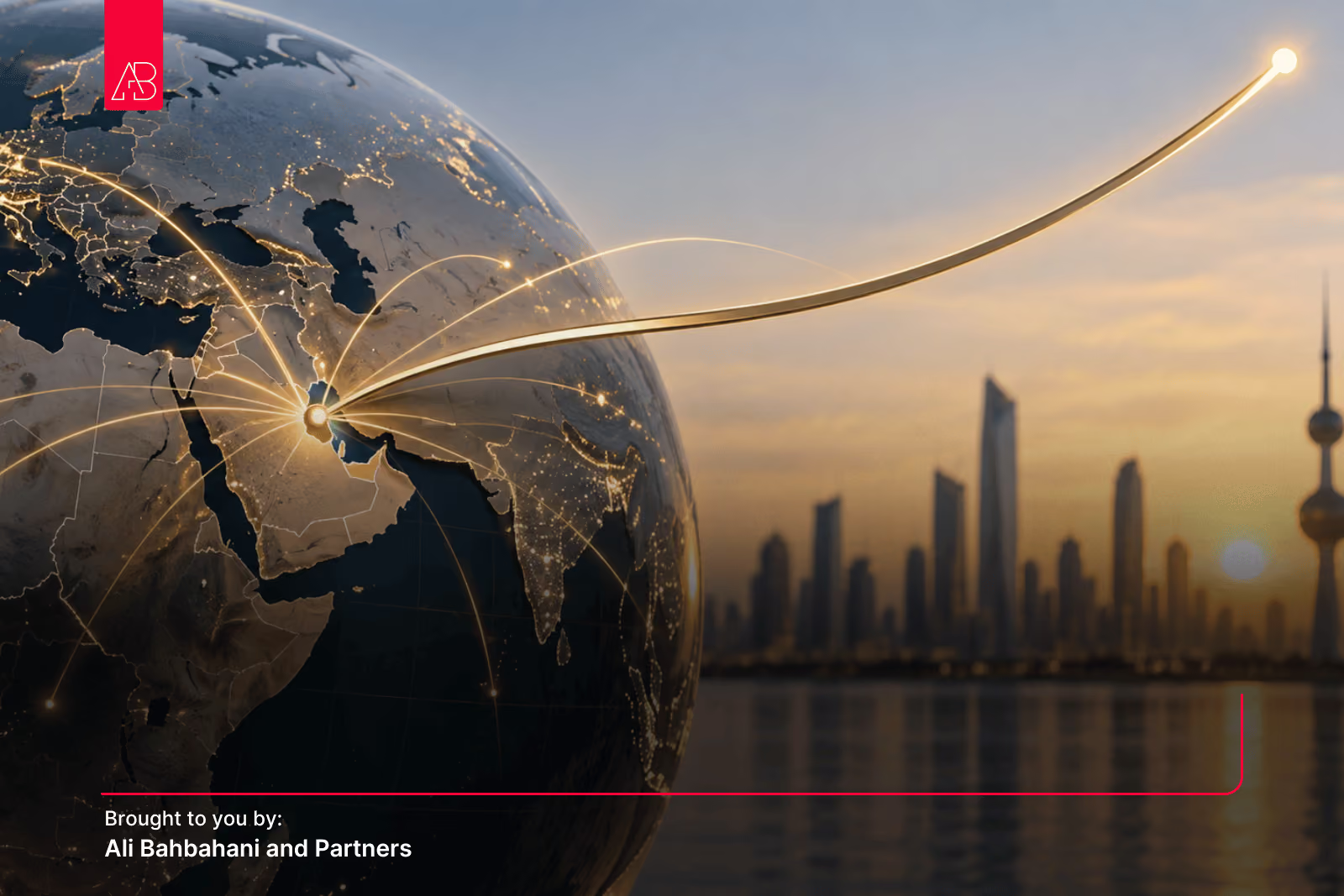
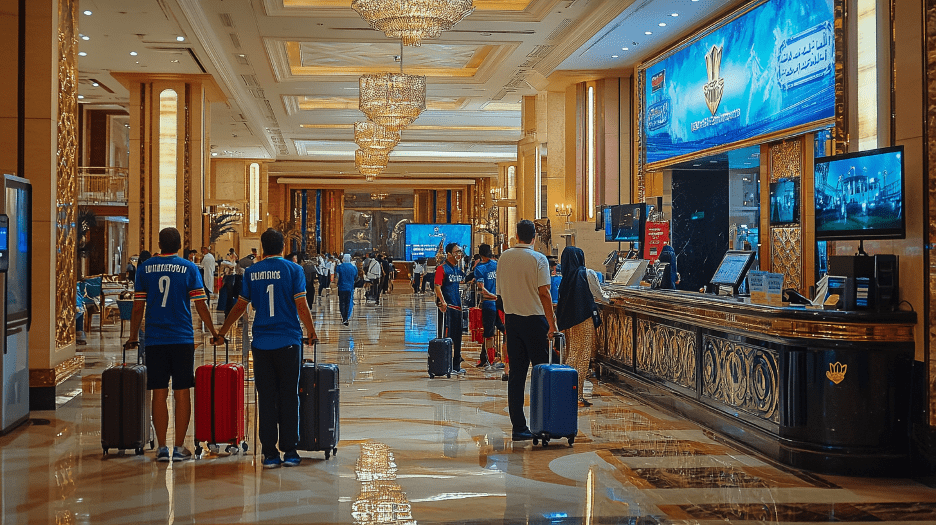
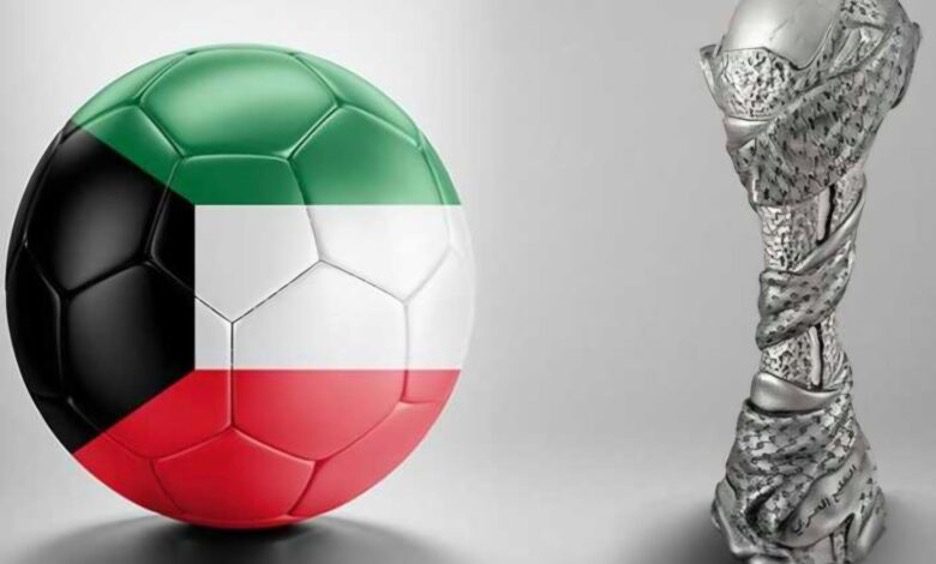
"I've rarely seen Kuwait so alive." That was a local I got talking to during Khaleeji Zain 26, and the arrivals data agreed with him. Over 30,000 fans came in on 75 extra flights, coordinated across nine airlines out of the GCC and Iraq. For the length of the tournament the country ran in a register it does not normally use.
None of this was without precedent. The 25th Gulf Cup in Basrah had drawn around 550,000 visitors and an estimated USD 150 million in economic activity. Kuwait's turn followed the same curve. Run a regional tournament well and the money shows up fast, spread across hotels, shops, and transport.
Walking Through Al-Mubarakiya
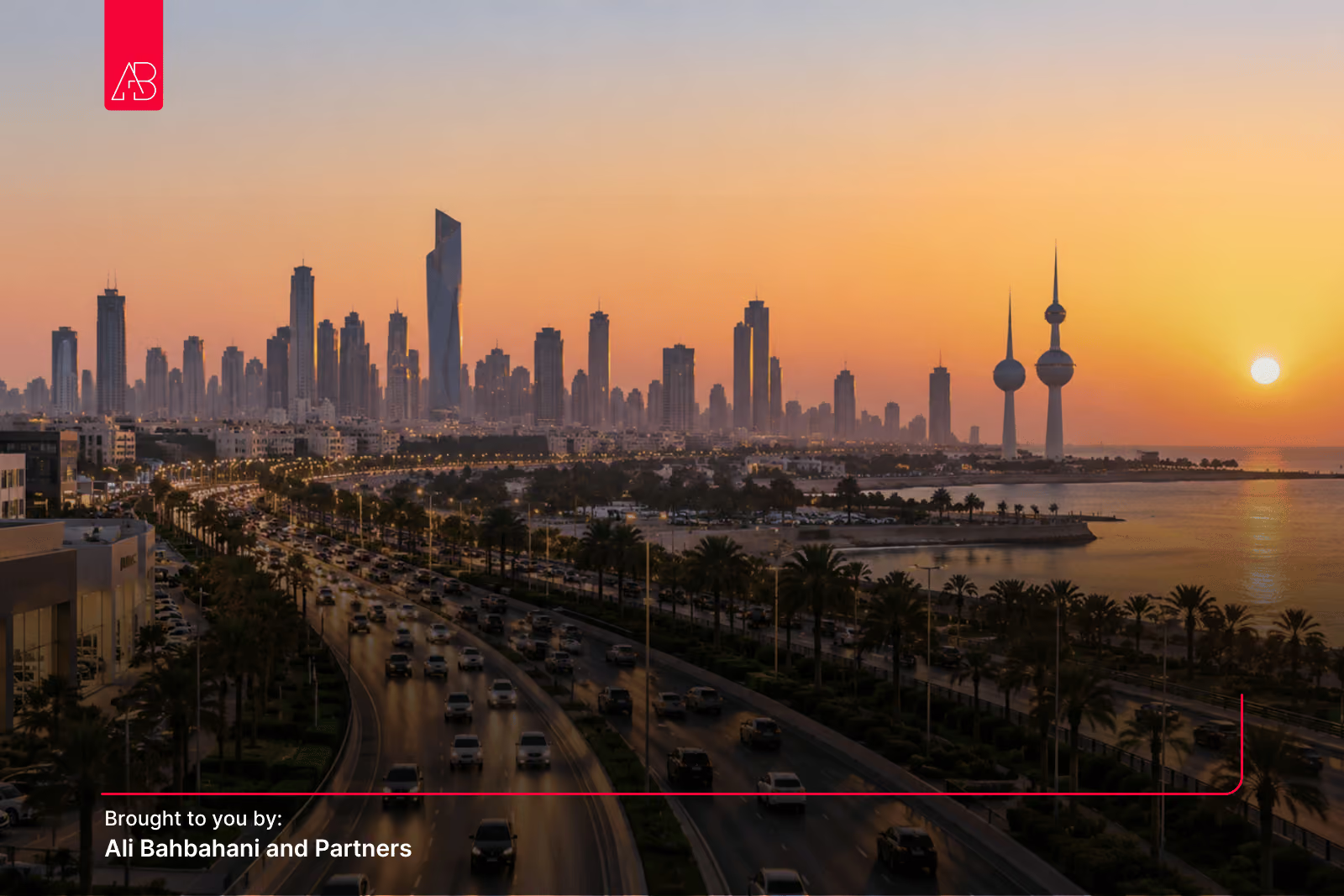
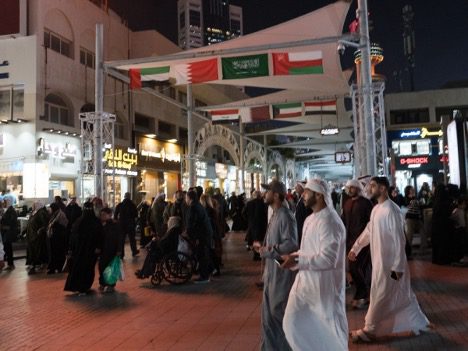
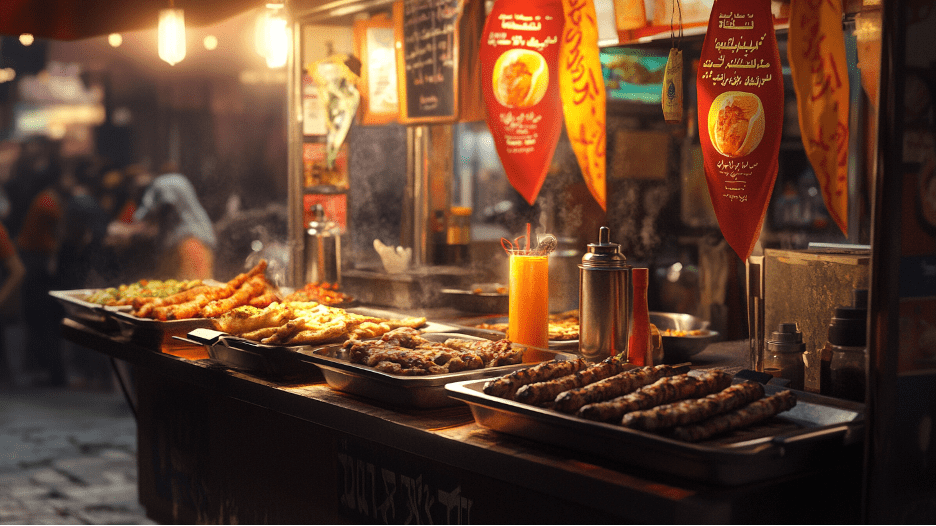
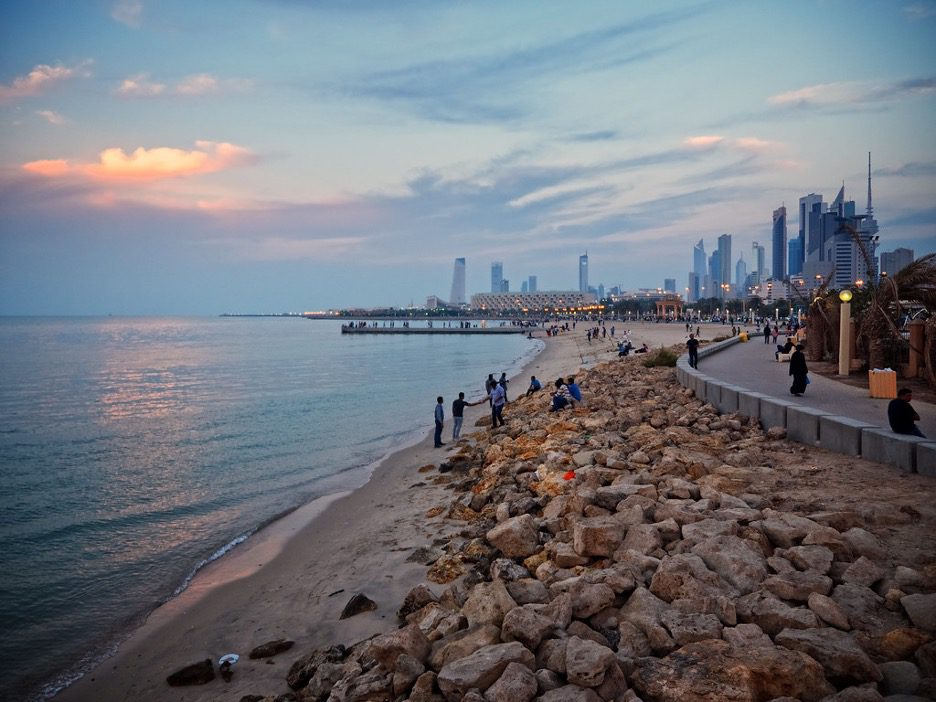
My first trip back to Al-Mubarakiya since COVID landed in the middle of the tournament. The souk was packed. Fans from Saudi Arabia, Iraq and the rest of the Gulf filled the corridors, ate Kuwaiti food, bought souvenirs, and filmed it all for TikTok and Instagram. One note kept coming through in what they posted: Kuwait was more interesting than they had expected. Old town and new towers, sea and desert, locals and expats, most of it inside a short walk.
I have written before about the friction tourists hit in Kuwait: the bottlenecks, the dated infrastructure, the slow crawl through the airport. For the Gulf Cup, most of it was visibly better. Immigration moved. The stadiums were ready. Arrival felt like it belonged to the occasion. I would not read that as Kuwait having cracked tourism overnight. What it shows is narrower and more useful: given enough planning and coordination, the friction is removable.
The Economic Lift
The early indicators pointed up across several sectors. Hotel occupancy climbed from about 50 percent to more than 90 percent over the tournament, and five-star room rates rose 20 to 40 percent. The harder question, which nobody seems in a hurry to answer, is which of those hotels converted the traffic into lasting reputation. Months will pass before that shows in the data.
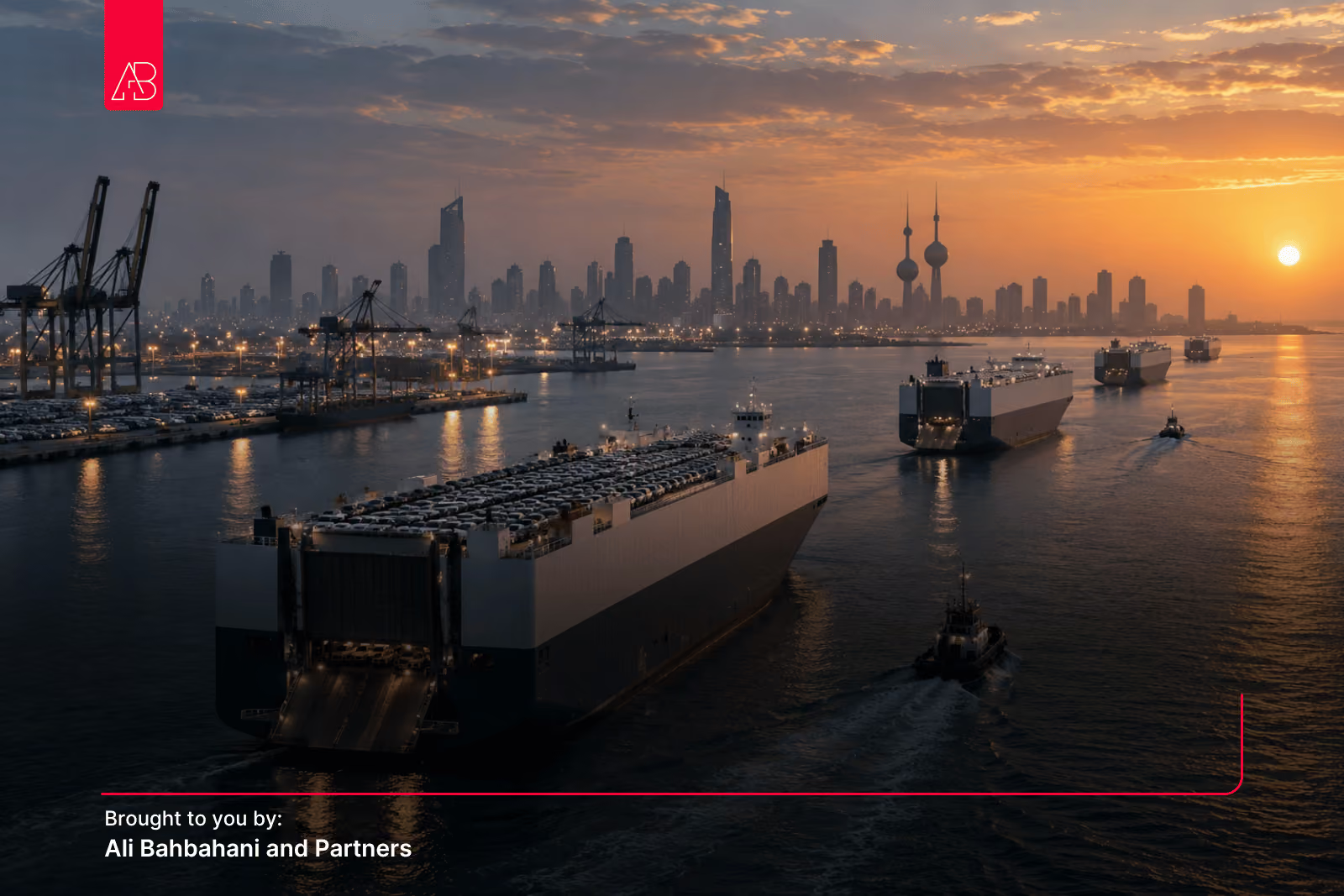
Retail and dining moved with it. The luxury malls did well. The smaller shops did better than expected, helped by foreign fans buying team merchandise and local crafts. Around Al-Mubarakiya, cafés and restaurants such as Alshamam and Dalak Suhail stayed open late through the whole run. Ride-hailing, taxis and the regional bus services all spiked, and local shipping firms logged heavier loads of sports equipment, media gear and promotional material.
For scale: Qatar's 2022 World Cup pulled 1.2 million international visitors and an estimated USD 17.6 billion in economic impact. Khaleeji Zain is a far smaller event, but the mechanism behind it is identical. The receipts from a tournament like this run well past ticket sales.
Demand and Operations
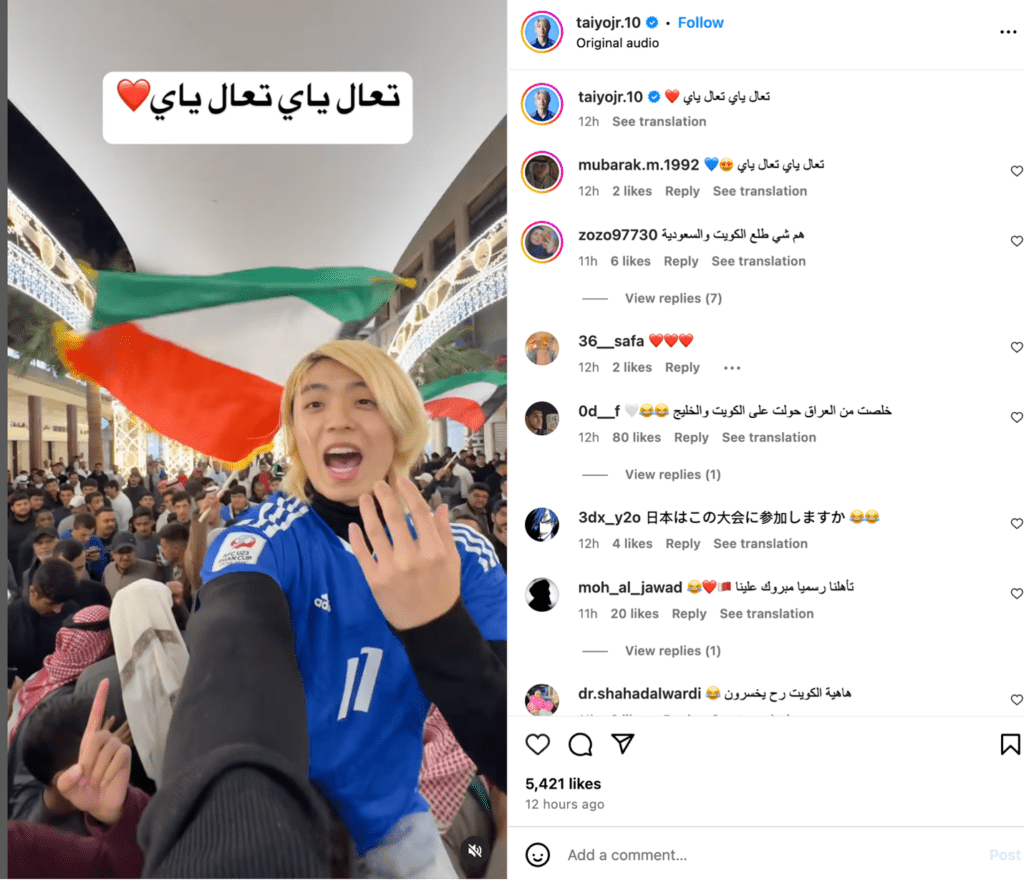
The international reach caught people off guard. Taiyo Kimura, a fan who flew in from Japan, shared his impressions with a sizeable following, and he was one of many. Visitors arrived from outside the Gulf in numbers no one had planned around.
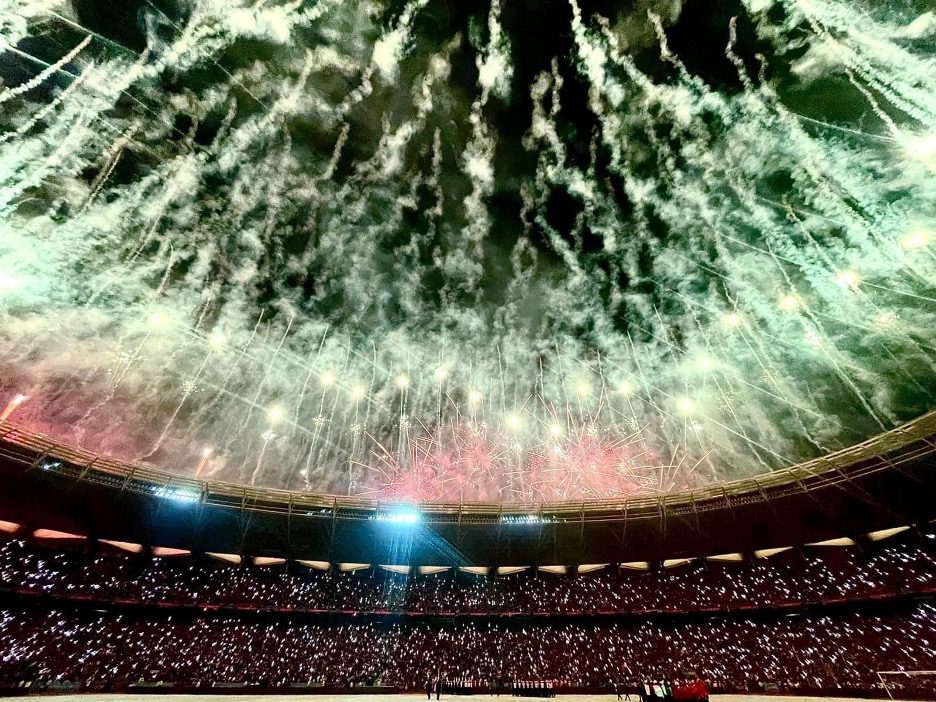
On the operational side, Kuwait leaned on people who had done it before. The opening ceremony went to the same organisers behind Qatar's World Cup, and the ticketing partner was the one that had handled Doha. Both calls held up.
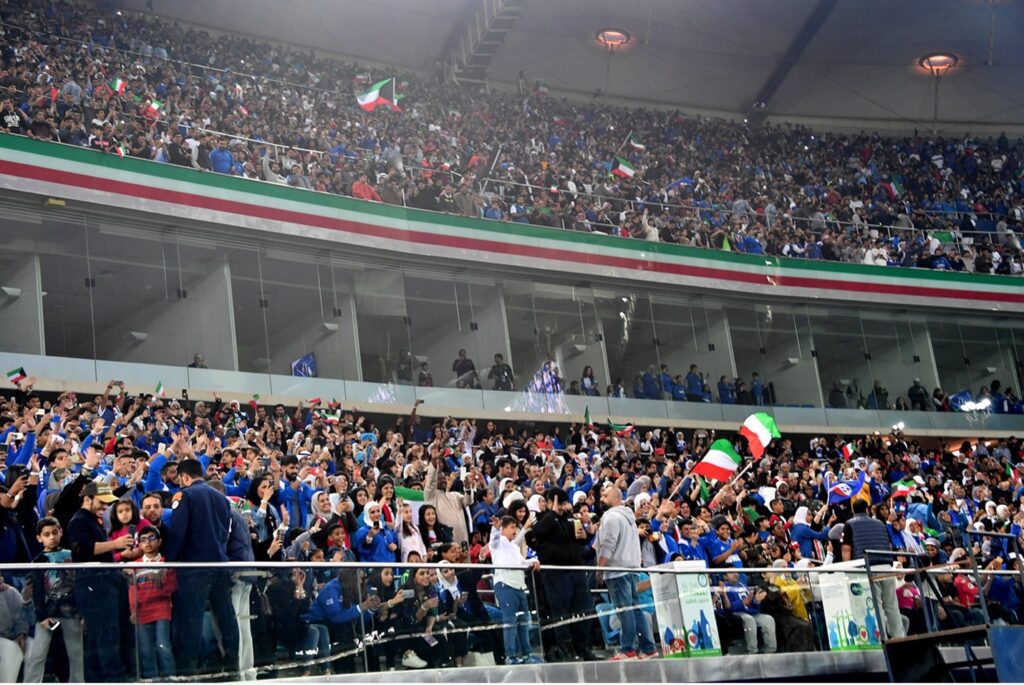
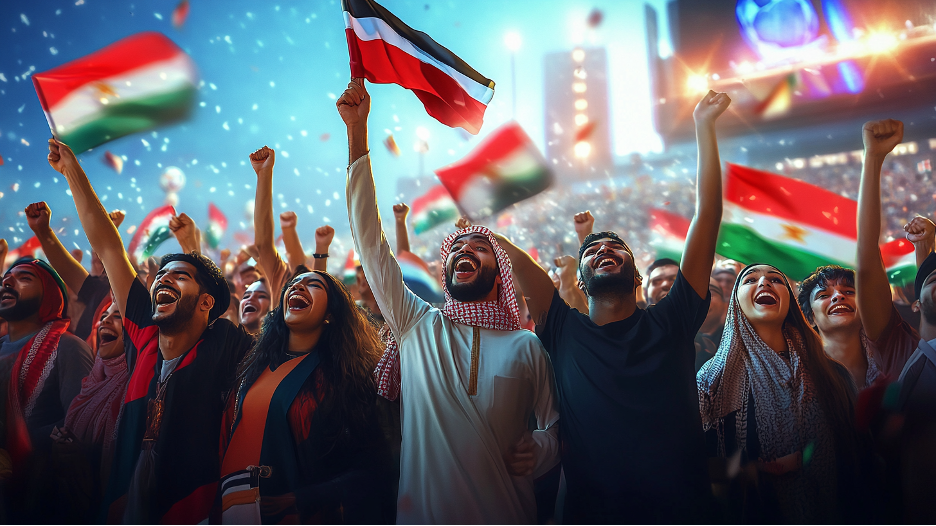
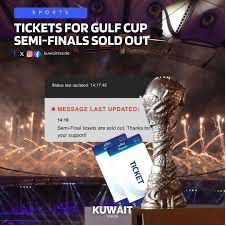
The sharpest evidence came at the ticket window. For Kuwait–Bahrain, 1.2 million applicants chased roughly 60,000 seats, and the match was gone in seconds. People have called the demand-to-capacity ratio a world record for a football match. There was a second surprise underneath it. Iraq versus Saudi Arabia, a fixture that did not feature the hosts, also filled all 60,000 seats, which almost never happens at a regional tournament.
Unity and Brand
The intangible return was worth as much as the room revenue. For once, the different parts of Kuwait pulled in the same direction. Ministries, private companies and local businesses all lined up behind a single goal. Kuwait Airways and Zain ran a joint effort across air travel, fan engagement and branding. Hotels paired up with tour operators. Smaller firms improvised VIP meet-and-greets and cultural tours they had never offered before.
The output of all that, past the cash, was a national branding moment of a sort Kuwait rarely gets. Fans flew home with a read on the country they had not held on arrival. The TikTok and Instagram trail keeps doing its work long after the trophy is handed over.
Planning and Lessons
None of this happened by accident. Kuwait put real money into infrastructure and logistics: upgraded stadiums, reworked airport processes, reinforced public transport. Past Kuwait Airways and Zain, hotels worked with tour operators, smaller firms supplied specialised services, and a deep bench of private operators did genuine work next to the public sector. Visa and immigration were smoothed out far enough to signal that the country was set up to host properly.
The takeaway worth keeping is that big events can serve as Kuwait's calling card. Each one run well stacks into the next: more tourism, more cultural exchange, more visibility abroad. Run badly, an event does the reverse, and the bill for that runs past whatever the tournament cost.
Beyond the Final Whistle
The 26th Gulf Cup finished; the after-effects did not. Visitors went home carrying stories about Kuwait's warmth, the blend of old and new, the charge in the air through the tournament. Residue like that seeds the next round of visits, investment and partnerships.
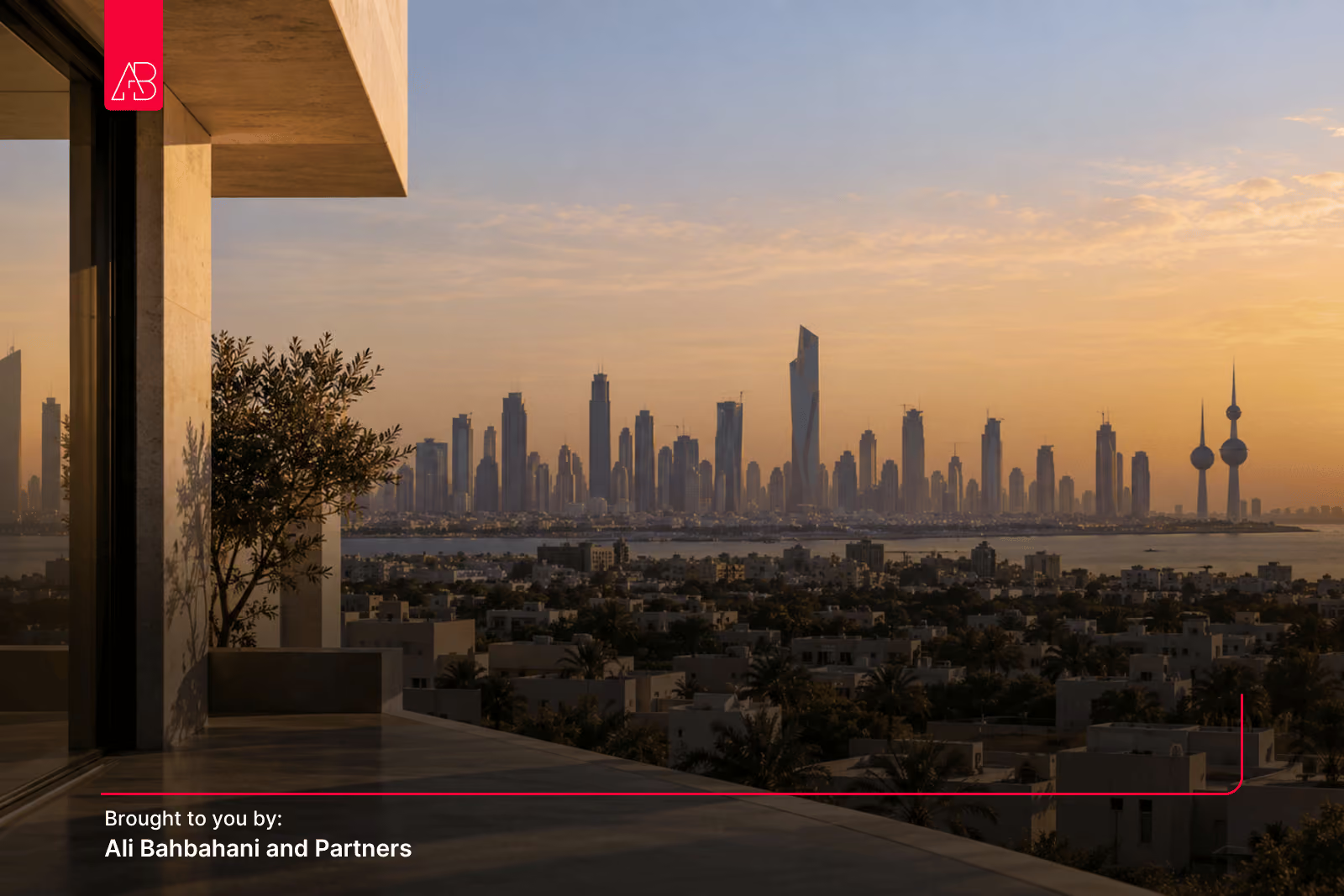
After watching Al-Mubarakiya fill up again, and remembering how hard the country once was on visitors, I am more convinced than before that Kuwait is at the front end of a tourism cycle. Stretching it out is simple to state and hard to do: sharpen the traveller experience, build public-private partnerships that last, and use events like the Gulf Cup as a launchpad for whatever comes next.
At Ali Bahbahani and Partners we read moments like this as the opening of a strategy rather than the close of an event. Kuwait has proved it can deliver on a global stage. The job now is to convert that into a standing tourism programme instead of a spike that surfaces once every few years.