From Empty Tables to Cultural Hubs for Kuwaiti Hotels
%20(10)%201-min.avif)
.webp)
A Personal Glimpse into Untapped Potential
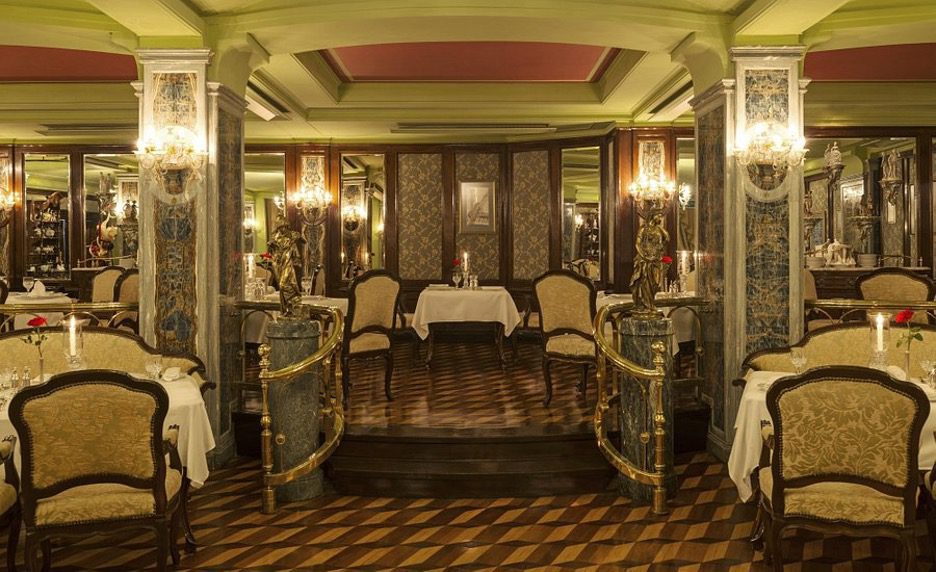
Not long ago, I dined at Ricardo, the Italian restaurant inside the St Regis Kuwait. Though renowned for its culinary finesse, the dining room was conspicuously quiet. No local patrons savouring the atmosphere or forging new memories.
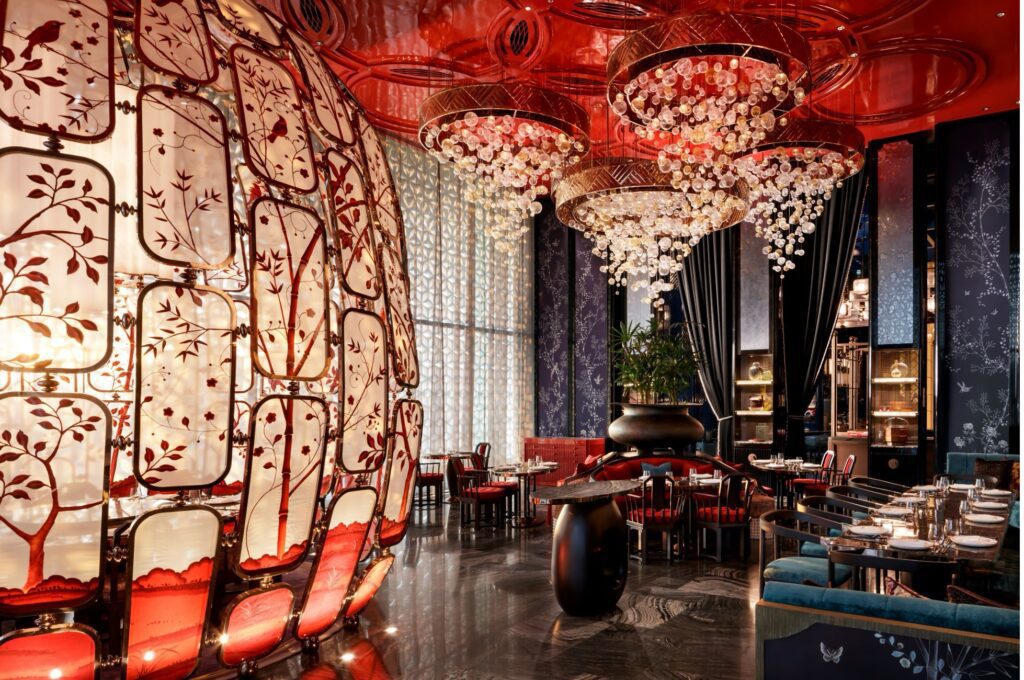
Another afternoon, I visited the Grand Hyatt near 360 Mall, hoping to enjoy its Chinese restaurant for lunch. Despite the five-star setting, the space felt desolate. Staffed entirely by expats. unlike Dubai, where you regularly encounter Emiratis in hotel service roles. and nearly devoid of Kuwaiti guests, it echoed the same disconnection I'd witnessed at the St Regis.
An incident at the Grand Hyatt stuck with me. After spending over 80 KD on a meal for four, I was asked to pay an additional 2.5 KD valet fee. A small amount. But it was an awkward reminder that these grand venues sometimes overlook the details that matter most to locals.
These aren't isolated incidents. In the post-Covid landscape, five-star hotels in Kuwait report less than 50% occupancy, with international arrivals lagging. While these properties excel at global standards of luxury, they struggle to become meaningful parts of Kuwaitis' daily lives. Beyond weddings, Ramadan tents, and occasional conferences, locals rarely consider hotels for everyday dining, wellness, or cultural exploration. That gap represents enormous untapped potential.
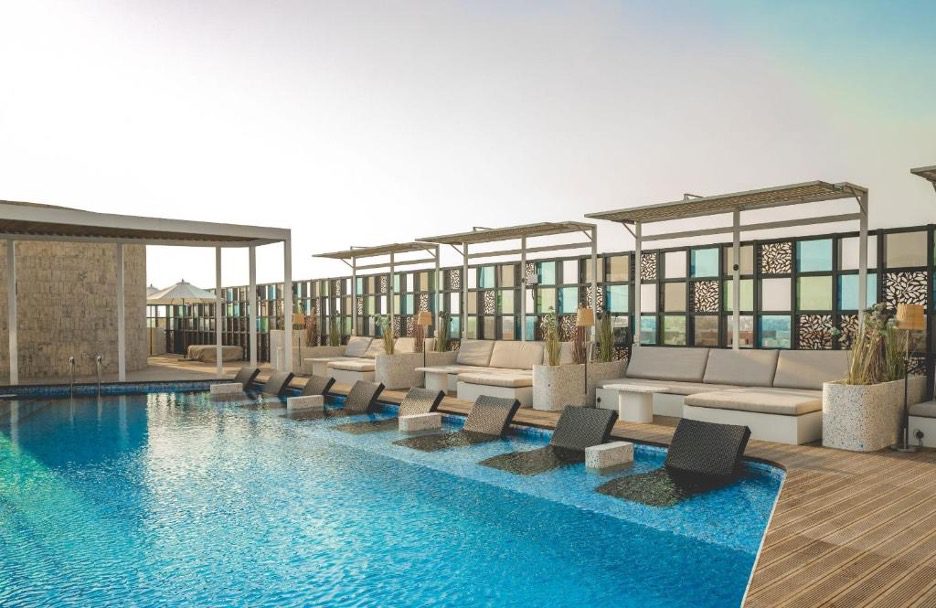
Missed Opportunities: Generic Luxury in a Rich Cultural Setting
Some hotels have tried to localize their offerings. The House Hotel Al Khiran incorporated Kuwaiti architectural elements in its interiors. The Marina Hotel showcased artisanal products in its boutique. Yet without a cohesive, culturally driven strategy, these gestures risk fading into the background. The result: silent restaurants, underused spas, and venues that feel disconnected from the communities they inhabit.
Many Kuwaiti hotels replicate an international template without using the region's heritage. Locals see these properties as event spaces rather than organic extensions of their cultural fabric. Each empty table highlights a deeper truth: Kuwaitis crave authenticity and relevance, but their needs remain largely unmet.
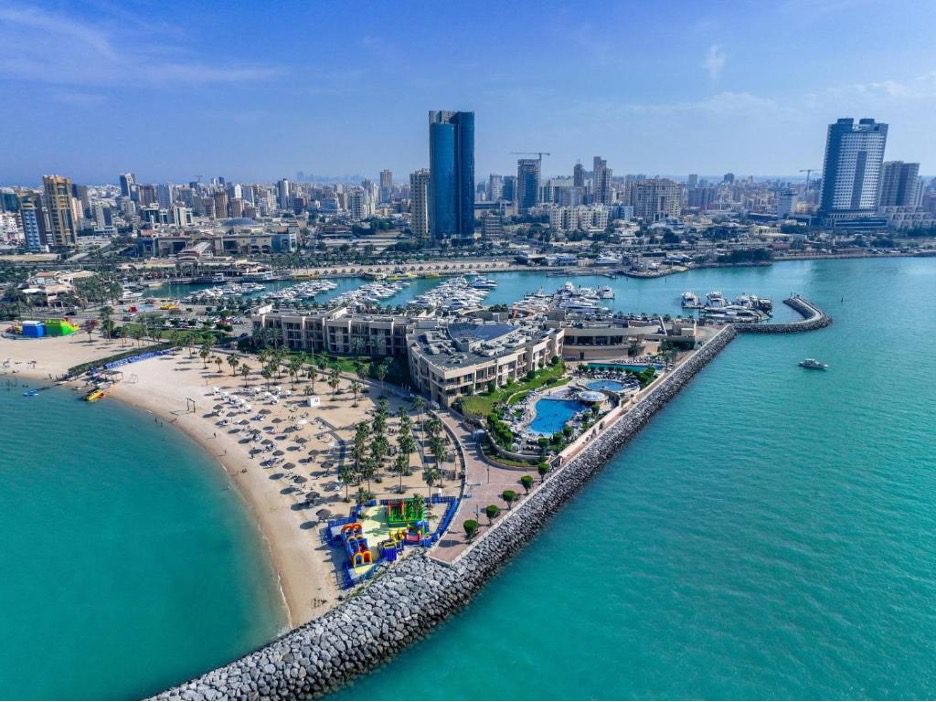
Reimagining Kuwaiti Hospitality
Culinary authenticity over tokenism. Centre entire culinary concepts on local flavours rather than offering a lone Kuwaiti dish in a global buffet. Curate menus featuring seasonal ingredients, host weekend brunches spotlighting traditional specialities, and invite rotating Kuwaiti guest chefs to share their craft. When hotels celebrate Kuwaiti cuisine as a defining element, they become culinary destinations locals return to often. not just on special occasions. And when international guests see local chefs in the kitchen, it gives them the cultural immersion they actually came for.

Riad Fès in Morocco offers a useful precedent. Its menu reimagines Moroccan classics with a French influence, drawing both international guests and local food enthusiasts by treating the country's culinary tradition as the main event, not a sidebar.

- Ballymaloe House (Ireland): Situated in East Cork, Ballymaloe House has long been renowned for its farm-to-table dining philosophy. The restaurant sources nearly all ingredients from its own farm or local producers, offering seasonal menus that highlight the freshest local produce. This commitment to sustainability and local sourcing has made it a cherished dining destination for the surrounding community.
Kuwaiti talent at the forefront. A local concierge who knows hidden culinary gems, a pastry chef who reinvents traditional desserts, or a welcoming reception manager can help guests feel at home. Seeing familiar faces, hearing familiar dialects, and engaging with staff who share their cultural context reassures locals that these hotels value their presence.
The Oberoi Group in India does this well. Its recruitment programme specifically trains local graduates for guest-facing roles, ensuring staff can share regional insights and cultural context that enrich the stay.
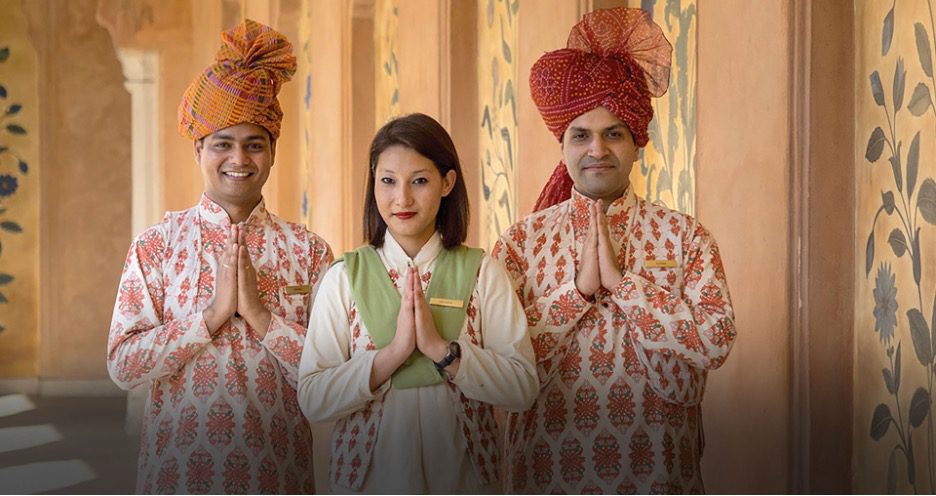
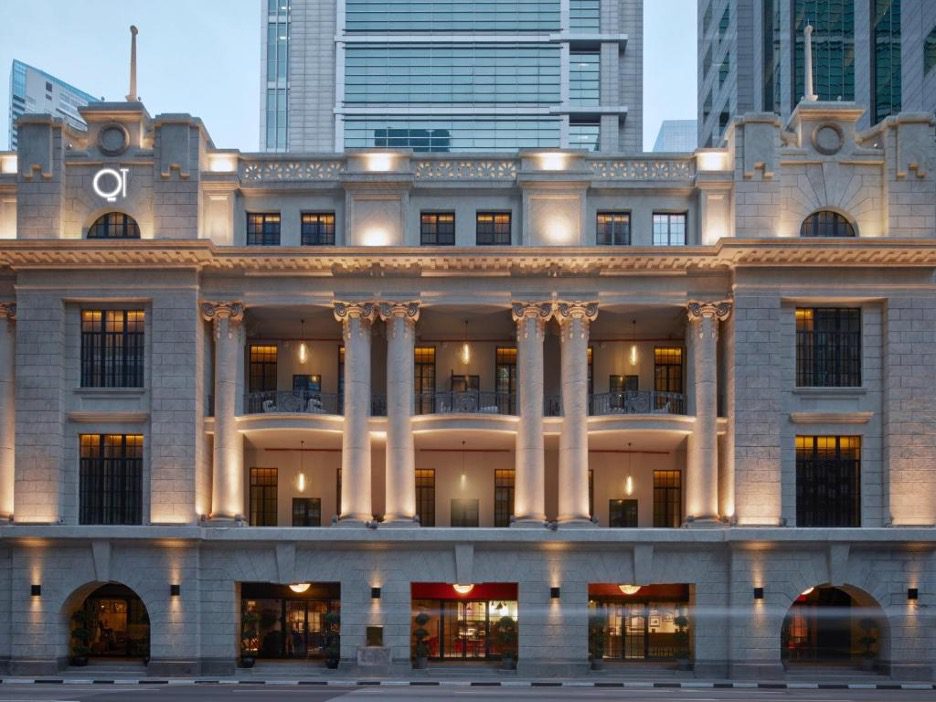
- QT Hotels & Resorts (Australia & New Zealand): QT properties, including the recently opened QT Singapore, collaborate with local designers and artists to embed cultural elements into the guest experience. For instance, QT Singapore's 'Directors of Chaos' wear bespoke uniforms handcrafted by local designer Hu Ruixian of Studio HHFZ, inspired by Singapore's multicultural heritage and featuring the national flower, Vanda Miss Joaquim, as the central motif.
Year-round cultural programming. Seasonal tents and sporadic cultural exhibitions won't redefine a hotel's image overnight. What works is a steady calendar: monthly artisan pop-ups, family storytelling afternoons featuring Kuwaiti folklore, art exhibitions featuring local artists, intimate music nights. Regular, evolving activities build anticipation and trust. Hotels seldom take the first step in arranging events. outside the hotels, Kuwaitis are already promoting a steady calendar of events in both seasons.
Raffles Hotel Singapore offers a model. Beyond its iconic Singapore Sling, Raffles hosts heritage tours, Peranakan craft workshops, and rotating exhibits highlighting Singapore's multicultural roots. These activities attract locals who view the hotel as a living museum that preserves and updates local traditions.

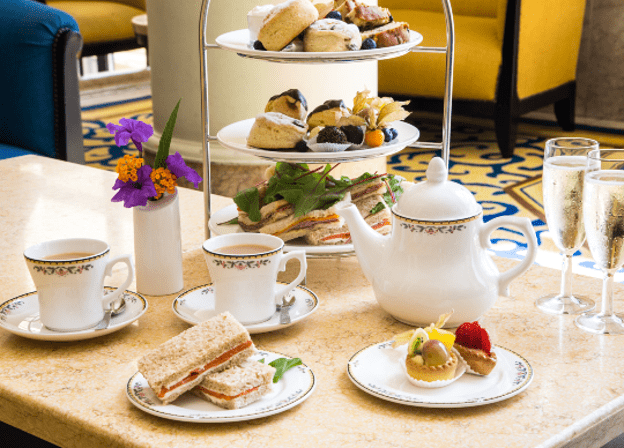
- The Corinthia Hotel London (UK): Through collaborations with British artisans, theaters, and galleries, Corinthia schedules monthly high-tea events with local pastry chefs, literary readings featuring British authors, and art installations curated by London-based creatives. This programming positions the hotel as a cultural venue for Londoners.
Partnering with the community. Aligning with NGOs, cultural institutes, or universities can transform hotels into forums for skills training, cultural talks, and community fundraisers. Such partnerships demonstrate commitment to Kuwaiti society, reinforcing the hotel's role as a supportive cultural anchor. All major hotel brands are increasing their focus on ESG practices, and these local initiatives would be welcomed by every stakeholder.

- Fairmont Chateau Whistler (Canada): Collaborations with Indigenous cultural centers, ski clubs, and regional non-profits allow Fairmont to integrate local narratives into its programming. Workshops led by First Nations storytellers and community-led environmental initiatives make the hotel a beloved community hub.

- Marriott’s CSR Initiatives in Costa Rica: In Guanacaste, Marriott resorts partner with local schools and environmental groups to host beach clean-ups, language exchange programs, and folkloric dance lessons for guests and locals alike. These engagements position the hotel as a steward of the environment and a supporter of community development.
A Phased Approach
Infusing a hotel with local character isn't without hurdles. Sourcing artisanal products, training local staff, and reconfiguring event calendars all require foresight, budget, and patience. Shifting entrenched perceptions will not happen overnight.
Mandarin Oriental Bangkok offers a useful case. Initially renowned among international travellers, it introduced initiatives aimed at Bangkokians. Thai dessert-making classes led by local culinary schools, Thai language conversational meet-ups. By tracking attendance and refining based on feedback, the hotel reshaped local perceptions over time. Start with a few curated experiences, gauge responses, and expand on what works.
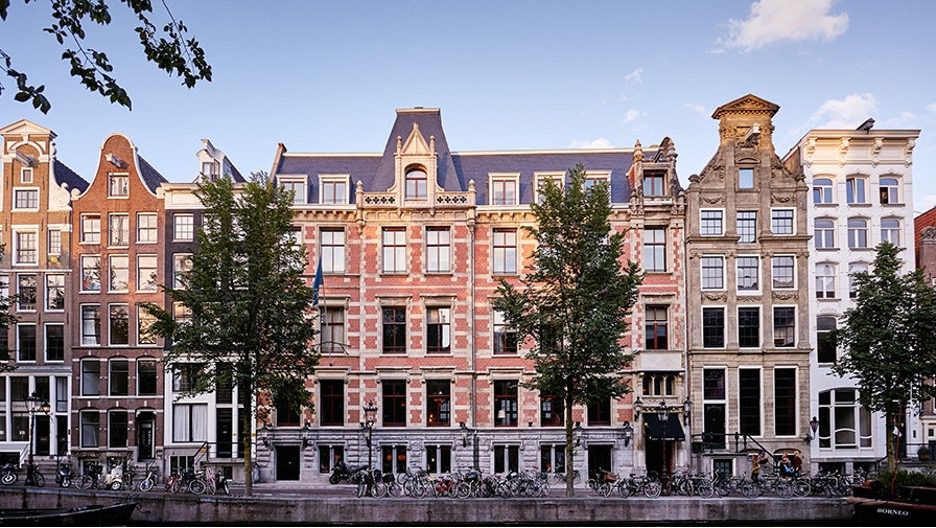
- The Hoxton, Amsterdam (Netherlands): The Hoxton collaborates with local lifestyle bloggers and DJs well-known among Amsterdam’s young professionals. These micro-influencers share personal experiences at the hotel’s events and attract locals and turning the hotel lobby into a popular after-work meeting spot.

- Mandarin Oriental, Bangkok (Thailand): Initially renowned among international travelers, the Mandarin Oriental introduced initiatives appealing to Bangkokians, such as Thai dessert-making classes led by local culinary schools and Thai language conversational meet-ups. By tracking attendance and refining programming based on feedback, the hotel successfully reshaped local perceptions.
Toward a More Resonant Hospitality Landscape
By placing Kuwaiti culture at the heart of the guest experience, hotels can transform from underutilized event venues into lively cultural hubs. Instead of relying solely on international arrivals, they can become natural extensions of the daily lives of Kuwaitis.
The quiet dining rooms, the deserted lunch spots, the overlooked local nuances. these highlight why change is both a luxury and a necessity. With the right strategy, hotels in Kuwait can fill these empty spaces with familiar faces, cherished traditions, and memorable moments, reinforcing their role as integral players in the nation's cultural mix.
Ali Bahbahani is the Founder and Managing Partner of Ali Bahbahani & Partners, a strategic advisory firm specializing in customer experience, hospitality consulting, and brand strategy across the GCC. He holds an MBA from EHL Lausanne and has stayed in over 200 hotels worldwide.