Education at an Older Age Is Not a Restart. It's an Upgrade.

.webp)
In 1985, I was eight years old, and my English did not come from school.
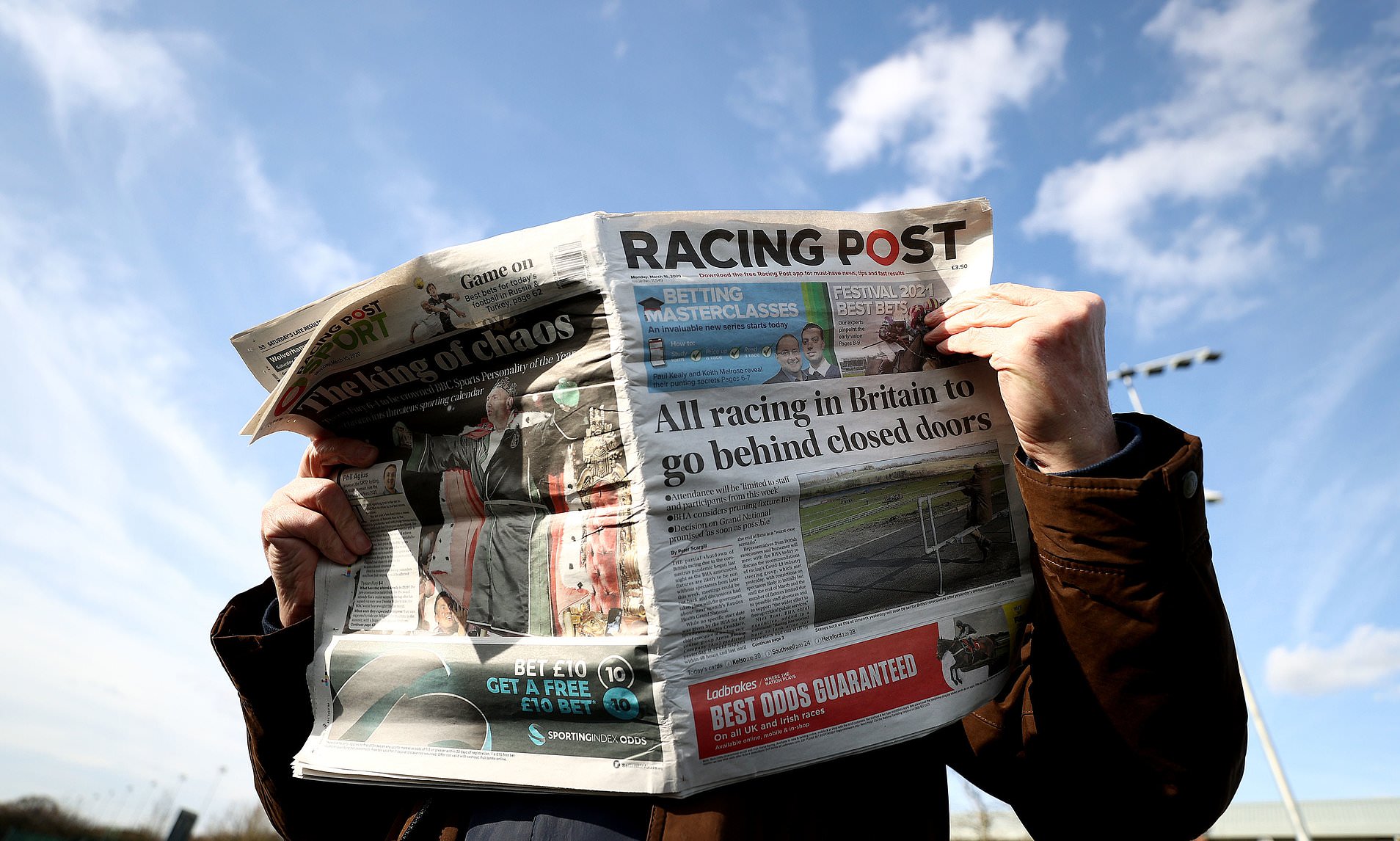
It came from horse racing.
Every couple of days, my late brother would take me to The Kuwait Bookshops in the Thunayan Alghanim building, near the Sheraton roundabout. I was not looking for a children’s book. I was looking for the Racing Post. The thin paper, the ink smell, the pages that felt like a secret. It arrived in Kuwait two days late.

When it finally came, I would take it home and read it slowly, letter by letter. Horses’ names. Trainers. Jockeys. Race conditions. Form. I did not learn English to be good at English. I learned it because I wanted to understand what I loved.
That small habit shaped everything that came after.
At school, math came easily to me. In English, I was never struggling. I was coasting, second or third in the class most terms, but never pushing for first. I had a pattern that followed me for years. I could almost predict the grade from the effort I put in. If I aimed for a B, I would do just enough to secure it, then stop.
I was not failing. I was self-limiting.
Looking back, it was not a talent problem. It was a ceiling problem.
When life is stable, but your mind feels bored
I later earned my bachelor’s degree at CSUN and then enrolled in an MBA program at Kuwait University. I started my professional career, and it grew steadily. Stable. Respectable. The kind of progress that makes your family feel proud and makes you feel safe.
But stability has a hidden cost.
You can keep doing well and still feel like your days are repeating. You are still moving, but you are not expanding. Your thinking becomes too efficient. You stop being surprised.
That is not failure. It is a signal.
Seeing what education accesses in real life
Before I made my own move, I watched it happen to someone else.
A colleague of mine, Yousef Mustafa, enrolled in an MBA at London Business School in the UAE. Over time, his approach at work changed in a way that was impossible to miss.
He started asking questions before giving opinions. He would dig into the numbers, detail by detail, and build the argument constructively, as if he were assembling a case. Not to win the conversation, but to make the conclusion hard to attack.
He used to tell me something that stayed with me.
Don’t rush. Study it properly. Assume someone smart will try to break your idea, and prepare for that.
That advice hit me because it was the opposite of my natural style.
I was fast. I could arrive at an answer quickly, connect the dots in my head, and I often knew I was right. The problem was never the destination. It was the preparation.
I relied on being quick because it had always saved me.
I remember a meeting early in my Ali Alghanim Automotive career. I had been asked to present a strategy to the MD, a business I knew, with a problem I had already solved in my head. I walked in confidently. I had the answer. What I did not have was the structure. No journey map. No data is laid out step by step. No anticipation of the pushback.
Halfway through, GM asked a sharp question. Not about whether I was wrong, but about how I had arrived at the conclusion. I could not show my work. I had skipped the middle. The room went quiet, the kind of quiet that means trust just slipped. The idea collapsed, not because it was flawed, but because I had not built the case around it.
That experience stayed with me longer than any grade.
I had gaps in the armour, and I kept walking into rooms that way, winning some, losing others, never fully understanding why the losses happened until much later.
That was a turning point. It made me realise something important.
Experience gives you instincts. Education, at the right time, gives your instincts a spine.

Returning through my oldest passion
So I stopped asking, What should I do next? and started asking, How do I want to think next?
I did not go back to education because I was stuck. I went back to refresh my thinking.
So I chose the most honest entry point. My passion. I pursued a postgraduate certificate in Thoroughbred Horse Racing at the University of Liverpool. It brought back something I had missed for years: focus, curiosity, the feeling of learning with purpose. Not because you have to, but because you chose to.

Then I took the next step.
I enrolled at EHL Lausanne for an MBA in hospitality. EHL did not just teach hospitality. It taught me how to see experience as a system. How trust is built in small, repeatable moments. How standards are protected through design, not willpower. How service is something you engineer, not something you hope for.
I enrolled because I wanted to keep that momentum alive. Not to collect credentials. To stay sharp. To keep learning as it matters.
Because it does.

What changed after EHL
After EHL, the difference showed up in how I built things.
I started Ali Bahbahani & Partners with a simple belief: clarity changes outcomes. But where the old version of me would have jumped straight into delivering advice, the post-EHL version needed to map the full picture first. Every engagement now begins with the journey, not the solution: where the customer enters, where they hesitate, where trust breaks. I stopped guessing where friction lived and started proving it.
I built DASHE Beauty with my wife. Early on, we had a customer return a product. She did not complain about what was inside. She complained about the silence after the purchase. No order update. No “how did it arrive?” No message that said we care. The old me would have resolved it quickly and moved on. Instead, I traced the full experience backwards. What did she see before buying? What did the packaging promise? What did the follow-up feel like? That single return taught us more about our brand gaps than a month of sales data. Customers do not come back because you posted something nice. They come back because something felt consistent, thoughtful, and real.

Now I am building Dallal, a real estate platform in Kuwait. For a full month, I did back-to-back interviews daily. Not to build a big team. To build the right room around the mission. I was not just screening for skills. I was looking for judgment. Calm energy. People who care about quality even when nobody is watching. At EHL, I learned that the best hospitality operations are not run by the most talented individuals. They are run by teams that complement each other. So I designed Dallal’s team the same way, role by role, thinking about how each person’s strengths cover another person’s blind spots.
This is one of the quiet benefits of studying later in life.
Your standards rise. Not in an arrogant way. In a useful way. You stop guessing what good looks like and start defining it. You prepare properly. You walk into discussions with the evidence ready, the logic clear, and the weak points addressed before anyone raises them.
And something else happens, too.
You become more patient with the process. You stop rushing to be right. You start trying to be complete.
The real point
Education at an older age is not a restart. It is an upgrade.
It gives your mind new inputs, so your output changes.
I know this because I lived both versions. The version that could win arguments on instinct, and the version that learned to build something no one could easily take apart. The second version is slower. It is also far more dangerous.
If your career feels stable but your thinking feels repetitive, pay attention to that feeling. Here is how you know it is time:
• You have stopped learning from your own work.
• You are performing, not growing.
• The problems feel familiar, but so do your solutions.
• You are right more often than you are curious.
If that sounds familiar, you are not burned out. You have outgrown your current inputs.
That is not a weakness. It is an invitation.
Find something you genuinely care about. Put yourself in a room that challenges you. Let the discomfort do its work. Then go back to your life and build with what you learned.
Stability is a gift. But curiosity is a responsibility. The best time to sharpen your mind is not when you are losing. It is when you are winning, and you know there is another level you have not yet touched.