Why Kuwait Needs UNESCO World Heritage Sites
%25201-min.avif)
.webp)
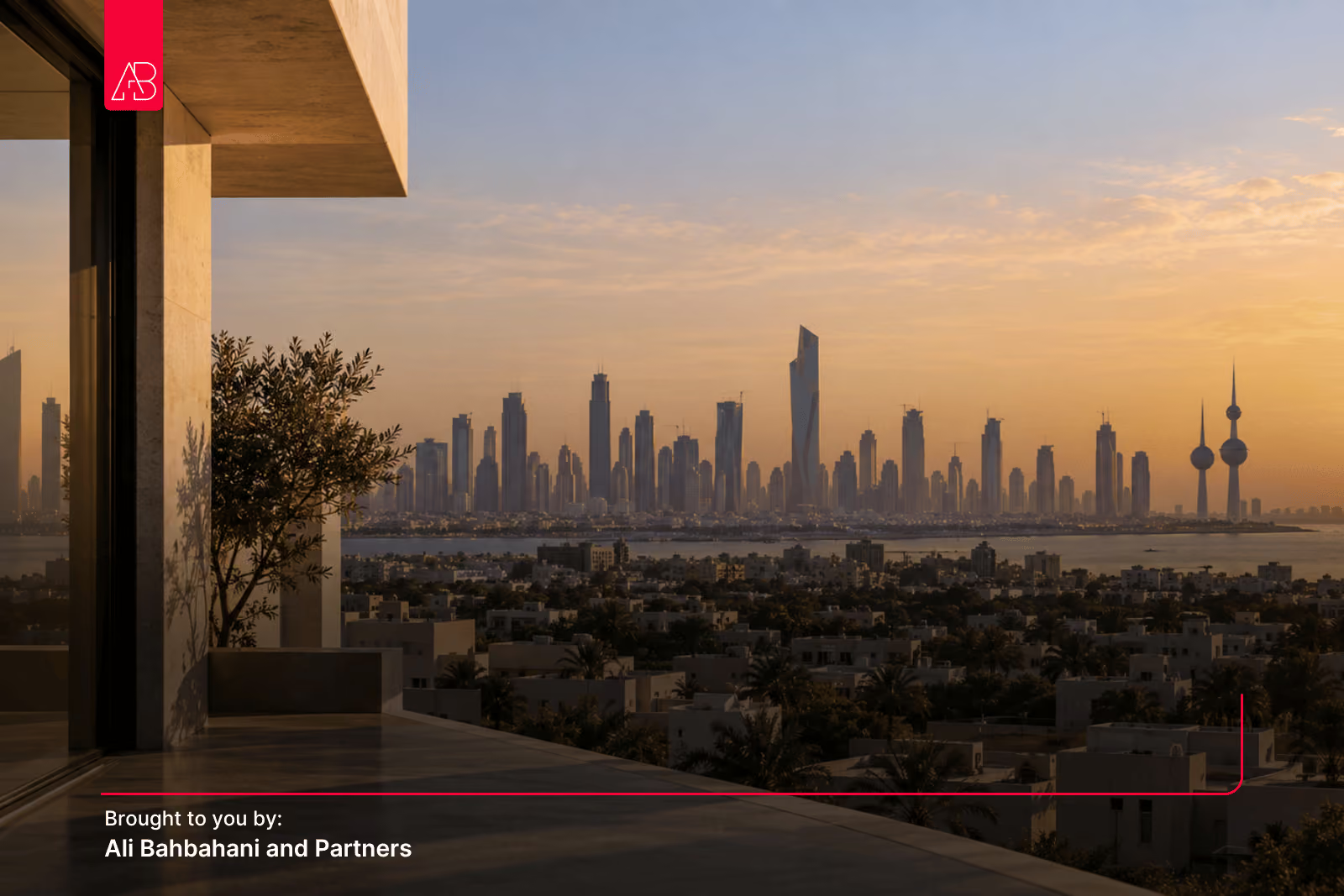
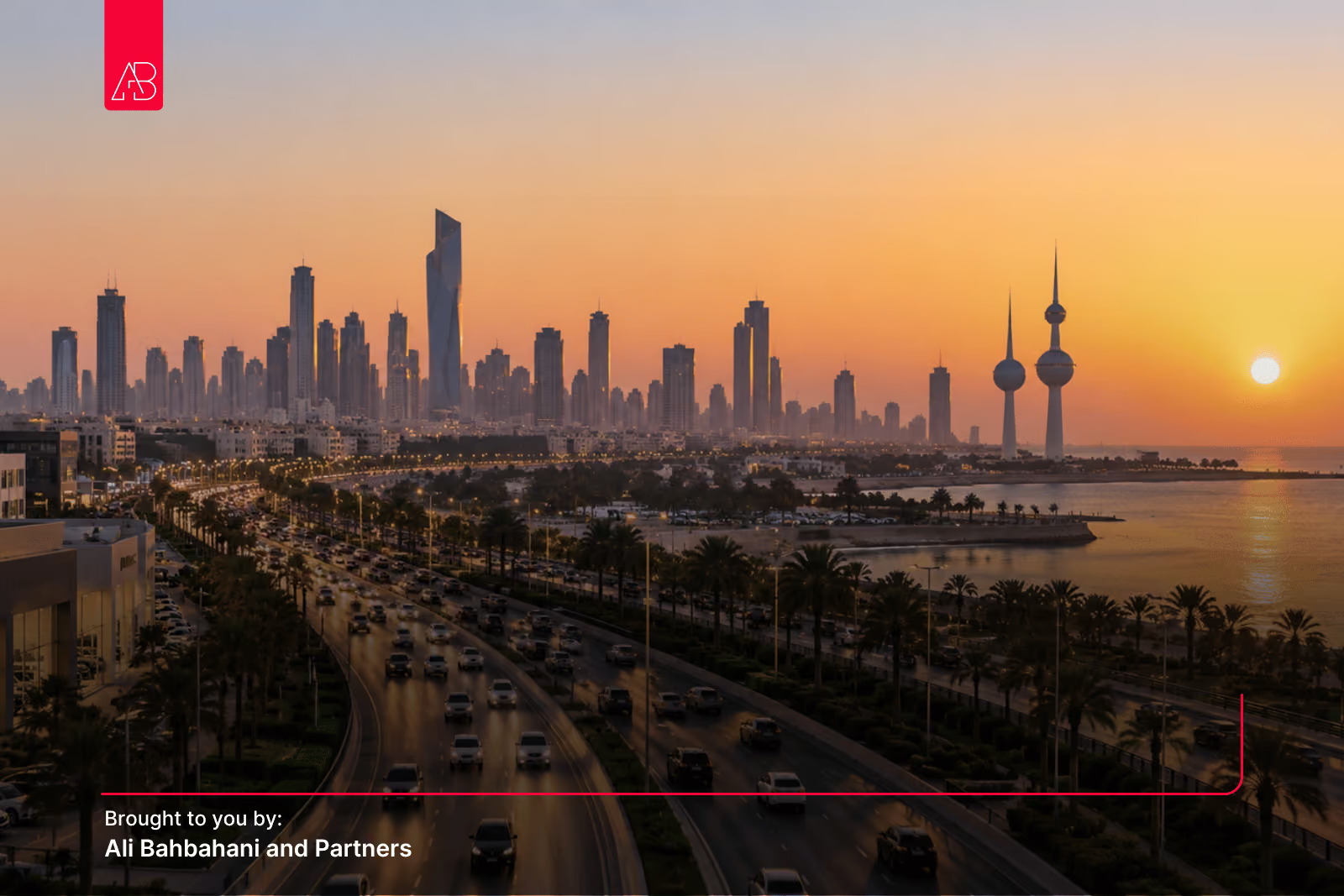
Kuwait is the only Gulf Cooperation Council country without a UNESCO World Heritage Site. Every other GCC neighbour has at least one. Some have multiple. Kuwait has zero. That is a piece of data worth sitting with for a moment before we talk about what to do about it, because the usual explanation — that the country just does not have the right kind of sites — does not hold up to five minutes of scrutiny. Kuwait is one of 28 nations among the 196 state parties to the UNESCO World Heritage Convention that are still on the outside looking in. Most of the others are microstates. Kuwait is not. The absence is not about geography or history. It is about priorities, and priorities are a choice. Getting this right is one of the more straightforward ways to diversify the economy while also giving the country the tourism proposition it has been trying to articulate for twenty years.
Why the Listing Actually Matters
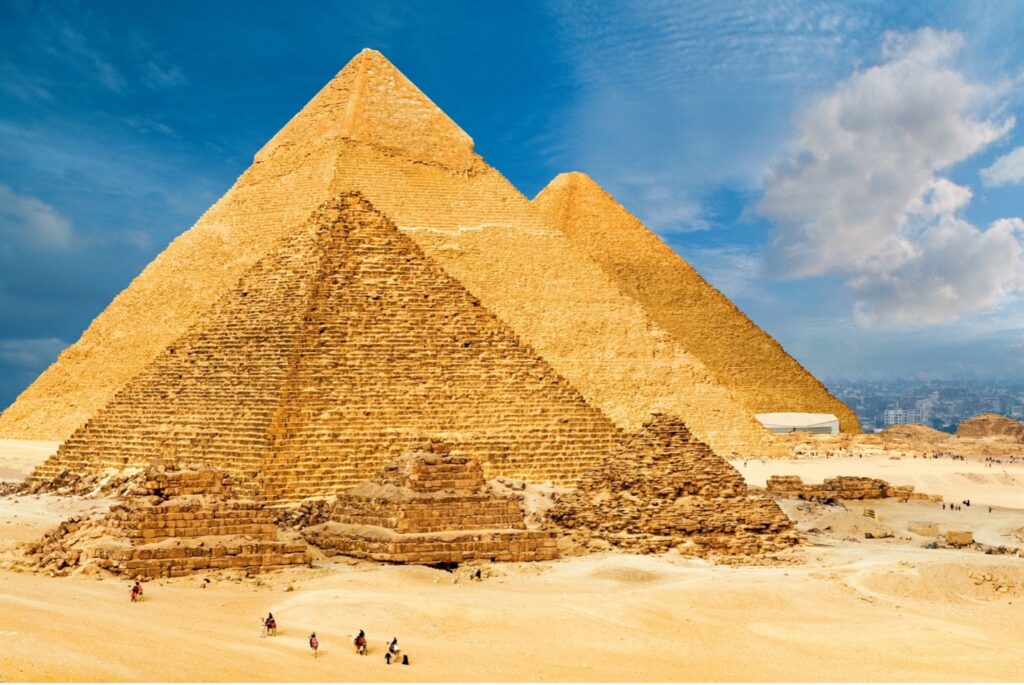
A UNESCO listing is not a plaque on a wall. It is a tourism multiplier, a conservation mandate, and a reputation asset rolled into one. The listed sites are the backbone of global cultural tourism. The Pyramids of Giza do not need the UNESCO label to get visitors, but plenty of smaller sites absolutely do — the Ajanta Caves in India, the old town of Lijiang in China, the walled city of Dubrovnik. Before the listings, these were local treasures. After the listings, they were on the front page of every travel magazine for the following decade. The label creates the category and the category creates the visitors. For a country like Kuwait that is trying to diversify a tourism economy almost from zero, the listing is not a luxury. It is infrastructure.
The Candidate Sites, and the One That Should Already Be Listed
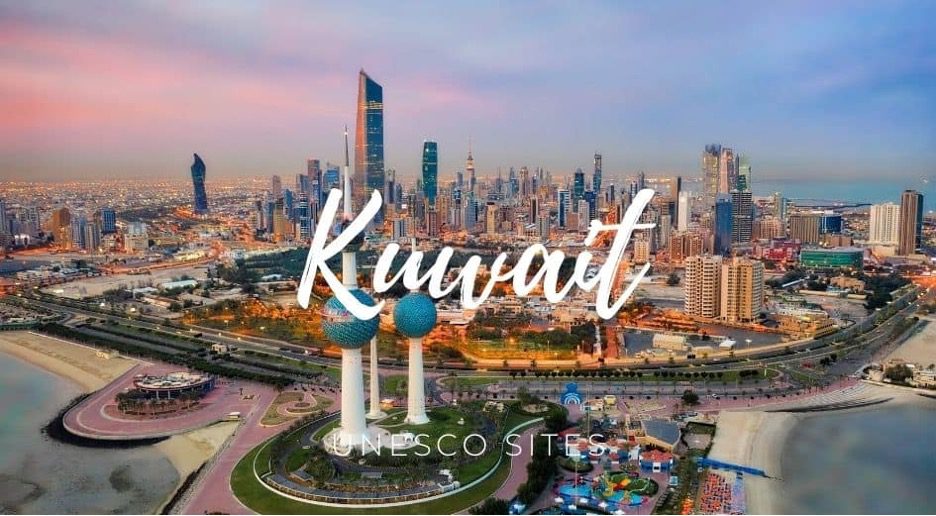
Kuwait already has four entries on the UNESCO tentative list. The tentative list is the waiting room — it is where states declare intent to pursue a full nomination. Kuwait has been in that waiting room for years without moving forward on any of the four. Here is my honest read of each candidate.
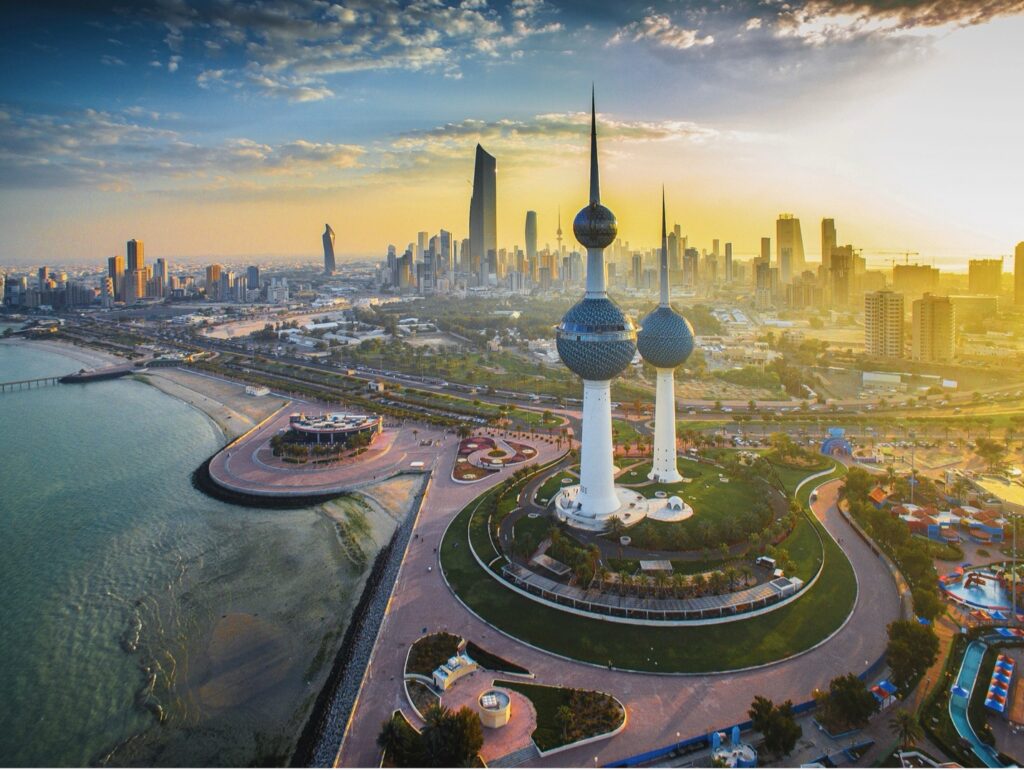
- The Kuwait Towers. Iconic, yes. Instantly recognisable, yes. A UNESCO site, almost certainly not. The Towers are a beautiful piece of modern architecture and they earn every postcard they appear on, but UNESCO's criteria lean heavily toward sites of outstanding universal value that predate the 20th century or represent a distinct cultural or natural phenomenon. The Towers are great engineering from 1979. That is not what the convention was designed to list.
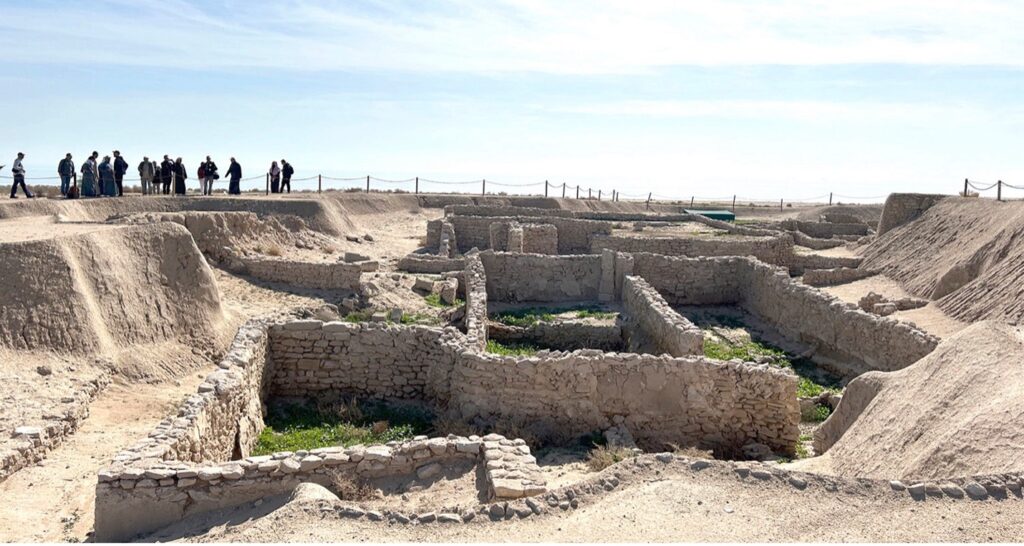
- Sa'ad and Sae'ed Area on Failaka Island. This is the one. This is the nomination Kuwait should have already won and it is the one I want the country to stop treating like an afterthought. Failaka has continuous archaeological evidence of human occupation stretching back to the Bronze Age. The Mesopotamian-era finds, the later Hellenistic layer from Alexander's successors, the Islamic-period remnants — this is a site with layers most countries would give up a ministry to have. The island was evacuated in 1990 and has been sitting in a half-forgotten state ever since. Any serious cultural-tourism strategy for Kuwait starts with Failaka, and the fact that it does not is the country's single biggest tourism self-inflicted wound.
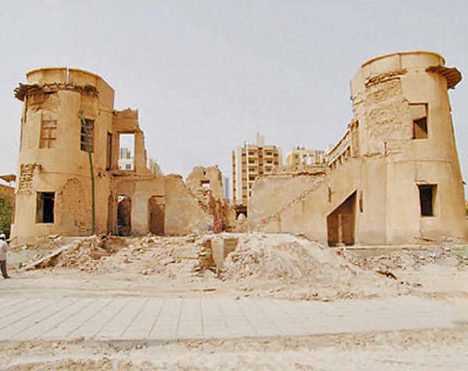
- Sheikh Abdullah Al-Jabir Palace. A genuine heritage building in the Dasman area, and a real piece of Kuwait's 20th-century story. It has a case, but it is a case that would sit more comfortably as part of a broader "historic Kuwait City" serial nomination rather than a standalone listing. Standing alone, the competition from comparable buildings elsewhere in the region is fierce.
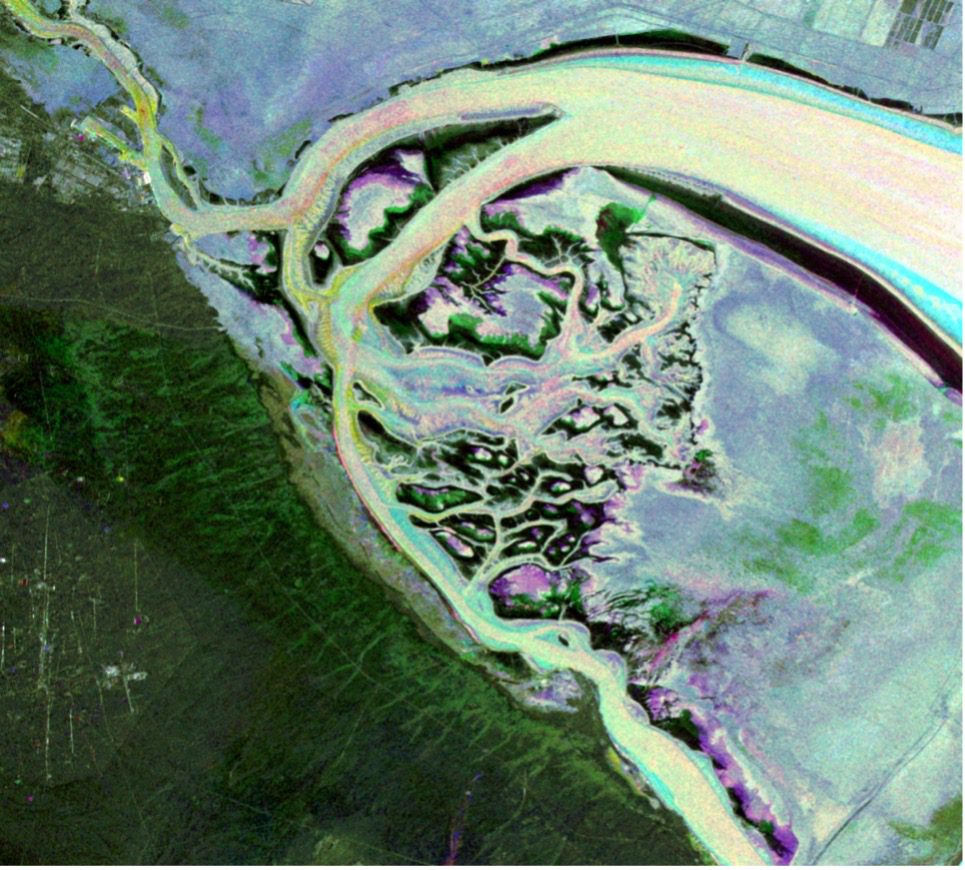
- Boubyan Island and Mubarak Al-Kabeer Marine Reserve. The natural-heritage candidate, and a genuinely strong one. The mudflats, the mangroves, the migratory bird populations — this is a serious ecological asset. The catch is that natural-heritage nominations require a preservation regime that Kuwait has not yet built out in the way UNESCO expects. Achievable, but it needs the ministry of environment to invest in the evaluation dossier the way Oman has with its own natural sites.
What the Neighbours Did While Kuwait Waited
The regional context is the embarrassing part.
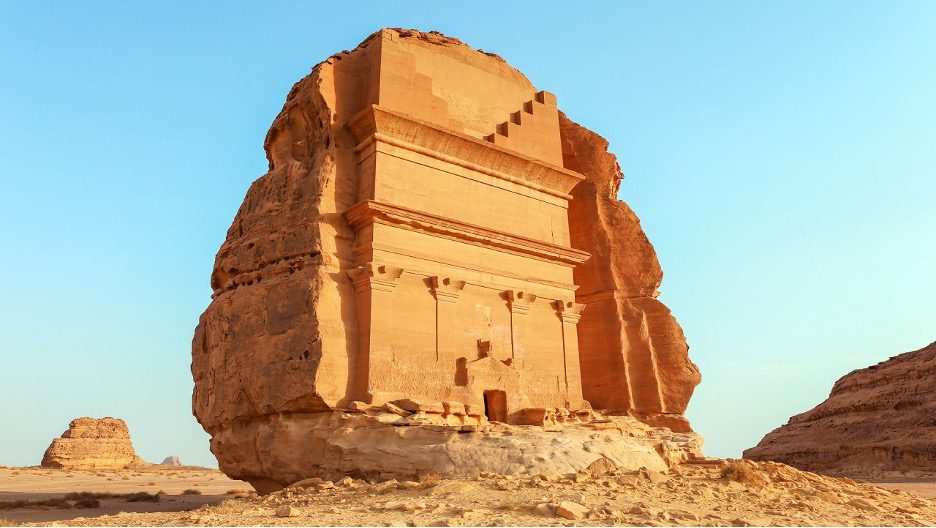
- Saudi Arabia's AlUla is the clearest example of what happens when a country decides to take this seriously. The listing process was backed by real money, real archaeological work, and a parallel tourism infrastructure investment that turned a remote desert valley into one of the most talked-about travel destinations in the region. AlUla is now a Saudi soft-power tool and a genuine economic engine. It is the centrepiece of how Vision 2030 sells itself to the world.
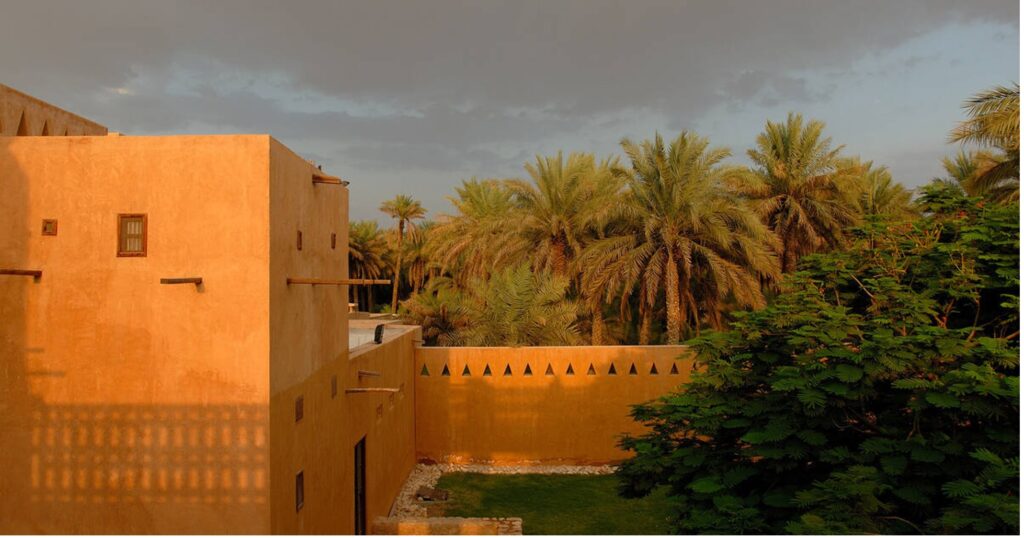
- The UAE's Al Ain cultural sites took the UAE into a different kind of tourism conversation than the one Dubai was dominating. Al Ain gave the country a serious cultural anchor to go with its beaches and shopping malls, and it has become a required stop for anyone doing a regional cultural circuit.
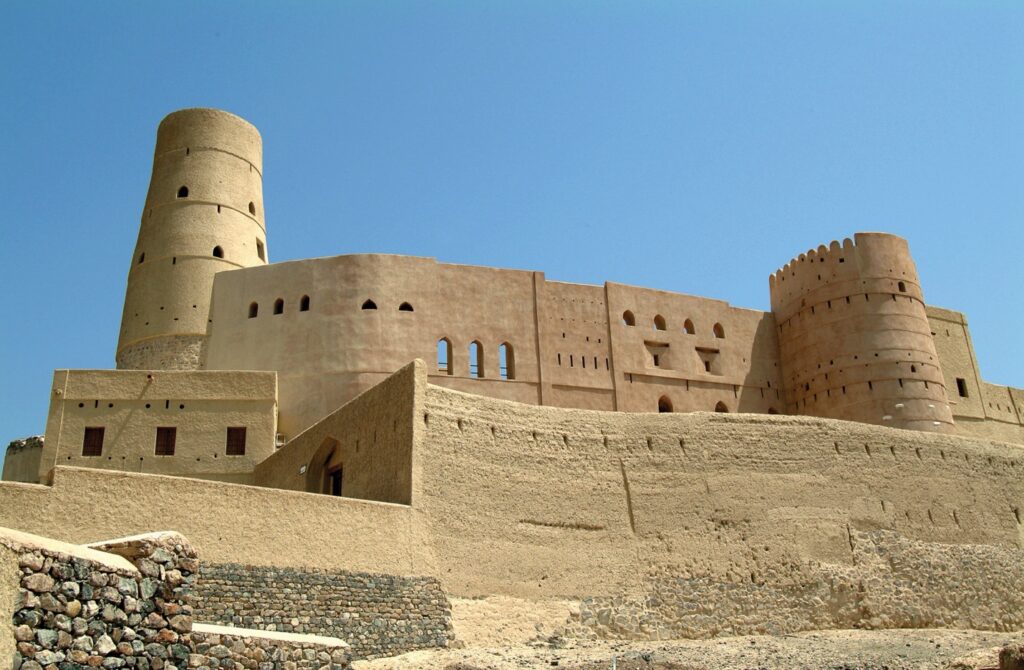
- Oman's fortresses and natural reserves give the quietest country in the GCC a louder tourism voice than most of its neighbours. Oman has five UNESCO listings as of today. Kuwait has zero. The fact that Oman, with a smaller tourism budget and a less visible diplomatic corps, has managed five listings in the same period that Kuwait has failed to advance any of its four tentative nominations is the kind of benchmark that should make the responsible ministry uncomfortable.
What Kuwait Actually Stands to Gain
- Real tourism growth, not the vanity kind. UNESCO listings attract a specific kind of traveller — the cultural tourist, who tends to stay longer, spend more, and return. That is the traveller Kuwait's hospitality sector desperately needs. It is also the traveller least likely to come without a headline asset pulling them in. The research on listing-driven tourism is clear: a newly listed site sees a meaningful uplift in visitor numbers in the first five years, and the uplift persists.
- Heritage preservation with teeth. The listing itself creates an obligation. It forces the country to actually maintain the site rather than letting it drift. UNESCO's preservation mechanism is the difference between a heritage site that gets protected and one that gets forgotten.
- Economic diversification that is actually credible. Tourism is one of the genuinely achievable pillars of Vision 2035. Kuwait cannot compete with Saudi on scale or Dubai on spectacle, but cultural tourism is a lane that is still open. A UNESCO listing is the cheapest, highest-leverage way to claim that lane.
- Global branding that money cannot buy. A UNESCO site becomes the first reference point when anyone writes about the country. It gets Kuwait into travel journalism, academic conferences, educational programming, and diplomatic cultural exchanges in a way that no tourism campaign could fund on its own.
What It Would Actually Take
The steps to a successful UNESCO nomination are not a secret. Every country that has done it has gone through roughly the same sequence. Kuwait has the institutional capacity. What it lacks is the political will to commit to one site and see the process through.
- Pick one site and focus on it. Spreading effort across four candidates has produced four half-built dossiers. Pick Failaka. Focus everything on Failaka. Come back to the others once there is a win to build on.
- Do the archaeological work properly. This means bringing in international partners with UNESCO experience, not just local contractors. The evaluation team will spot a thin dossier immediately.
- Engage the stakeholders early. Historians, environmentalists, the former Failaka community, the diplomatic corps, the tourism sector. The best nominations are built with broad support, not delivered from a single ministry.
- Put real money behind it. The total cost of a successful UNESCO nomination is a fraction of what Kuwait spends on a single infrastructure project that never finishes. The value asymmetry is enormous.
- Use the diplomatic corps. Kuwait's foreign affairs apparatus is one of the most respected in the region. Get the ambassadors involved. Most successful nominations have a quiet diplomatic campaign running behind them for years.

The Closing Argument
Kuwait's absence from the UNESCO list is not a gap of resources. It is a gap of focus. The country has the sites, it has the history, it has the diplomatic weight, and it has the budget. What it has not had, for nearly two decades, is a decision-maker willing to choose one nomination and drive it over the line. The economic case for cultural tourism has never been stronger, and the cost of continuing to defer this decision only grows as the regional competition gets slicker every year. Failaka is the obvious place to start. It has been the obvious place for years. The question now is whether anyone is going to stop talking about the tentative list and actually do the work.
At Ali Bahbahani & Partners, we work with clients on exactly this kind of strategy — turning a dormant asset into a commercial and cultural proposition that actually gets built. Our concept creation and business transformation practice has handled similar situations across hospitality, heritage, and public-sector projects. If the right group inside the Kuwaiti government wanted to make Failaka happen, we would clear the calendar to help.