Open Banking in Kuwait: What It Adds Beyond WAMD


A useful banking app should answer a simple question: what can I spend after the bills are paid? If your salary lands at one bank, your savings sit at another and your credit card belongs to a third, that answer takes three apps and some mental arithmetic.
Open banking is meant to fix that. With your permission, a licensed app can read accounts you hold elsewhere and, separately, start a payment from them. CBK has issued the final rules. I could not confirm that they are in force yet, and no launch date has been published. But Kuwait can already move money between banks in seconds through WAMD, which makes the useful question narrower than “when does open banking arrive?” It is this: what does open banking add that WAMD does not already do?
What the central bank announced
On 11 November 2026 the Central Bank of Kuwait issued its final Open Banking Regulatory Framework, after reviewing the comments it received on a draft published in June 2025.1 The framework sets the terms on which local banks may share customer data, with the customer’s explicit consent, with two kinds of CBK-authorised provider: account information providers and payment initiation providers.1
The announcement names six uses: one view of your accounts at local banks, tracking your spending, planning how to save and spend, making loans and letters of guarantee easier to arrange, starting a payment from your bank account, and comparing banking products and services.1
The decision CBK issued alongside it creates two specialist licences. An account information provider needs at least KD 100,000 of capital and may only read. A payment initiation provider needs at least KD 500,000 and may offer payment initiation, account information or both, as CBK approves. They are not the only route. The larger payment-services licence, at KD 250,000, and the larger e-money licence, at KD 1 million, may also offer account information or payment initiation, subject to CBK approval. All four must be shareholding companies.2 On my reading of the Arabic text, that gives the KD 250,000 payment licence a lower minimum capital requirement for starting payments than the specialist one. The smaller payment and e-money licences are expressly barred from offering either service.2
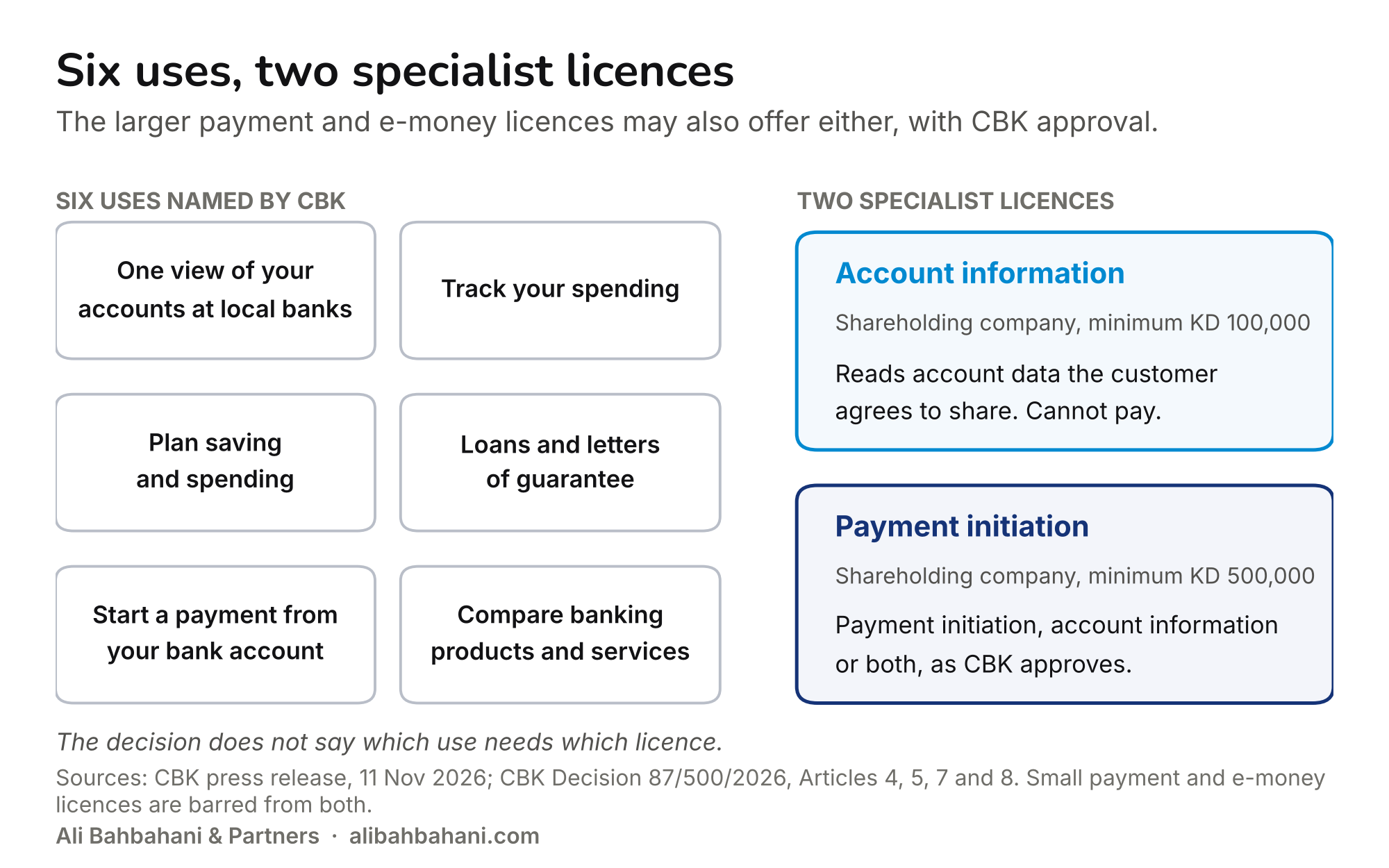
The decision does not say which use needs which licence. Only one use, starting a payment, plainly needs permission to initiate payments; a read-only licence cannot do it. A loan or a guarantee still needs a lender’s decision; open banking only changes how the lender gets the data it reads. For customers the line that matters is simpler. Linking an account so an app can read it does not move a single fils. Starting a payment does. A good app will never let the two feel like the same yes.
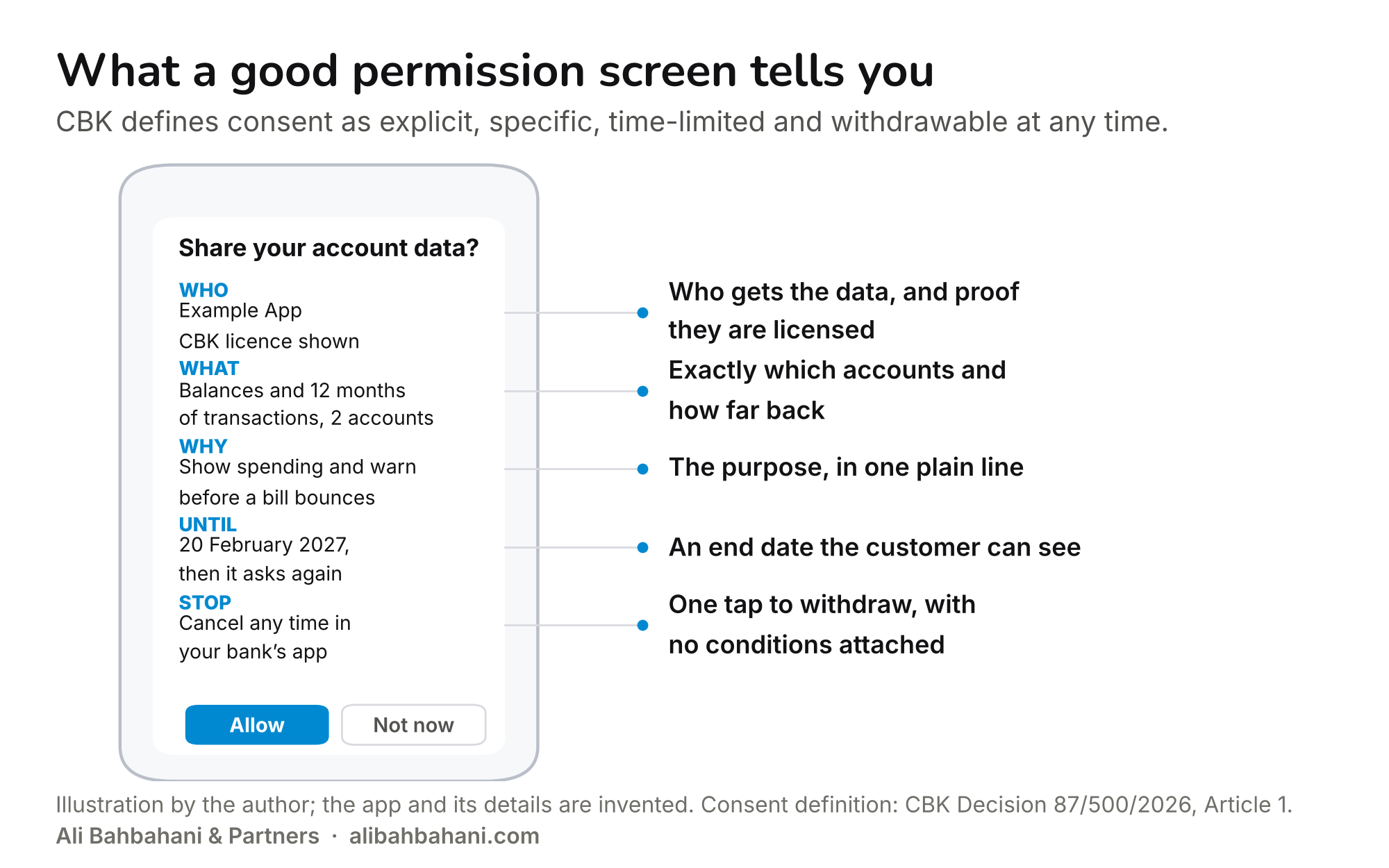
Four more details in the decision are worth knowing. Consent is defined as explicit, prior and specific, given for a stated purpose and a stated period, and the customer can withdraw it at any time without conditions.3 No provider may charge a fee, or change one, without CBK’s written approval, and every fee has to be visible before the customer pays. A provider that carries out a payment order wrongly is fully liable and must refund the whole amount. And when a payment is not carried out or is delayed, the provider has at most three days to tell the customer why.2
So what changes for you this week? Probably nothing you can tap. The decision takes effect when it is published in the Official Gazette,2 and I could not confirm that publication by the time of writing. CBK has also given no dates for the phased launch it promised with the draft.4 Before you link an account to any app that says it offers open banking, check which banks it supports, whether CBK has authorised it, what the consent screen tells you, and whether the service is actually live. A partnership announcement is not a working product.
What WAMD already does
On rules, Kuwait is a follower. On payments, it moved early. CBK says non-cash payments carried about 34% of the value of the transactions it tracks in 2010 and 84% in the first quarter of 2026. By number, 96% of tracked transactions in that quarter were non-cash.5 It later put the second quarter at 85% by value.6 One caution: CBK counts cash through ATM withdrawals, and one withdrawal can pay for several purchases, so these figures do not tell you what share of purchases are paid in cash.

WAMD, KNET’s instant transfer service supervised by CBK, went live in June 2024. It lets you send money from your bank account with nothing more than the other person’s mobile number.7,8 KNET says every local bank takes part, and that WAMD passed one million registered users within its first quarter.8
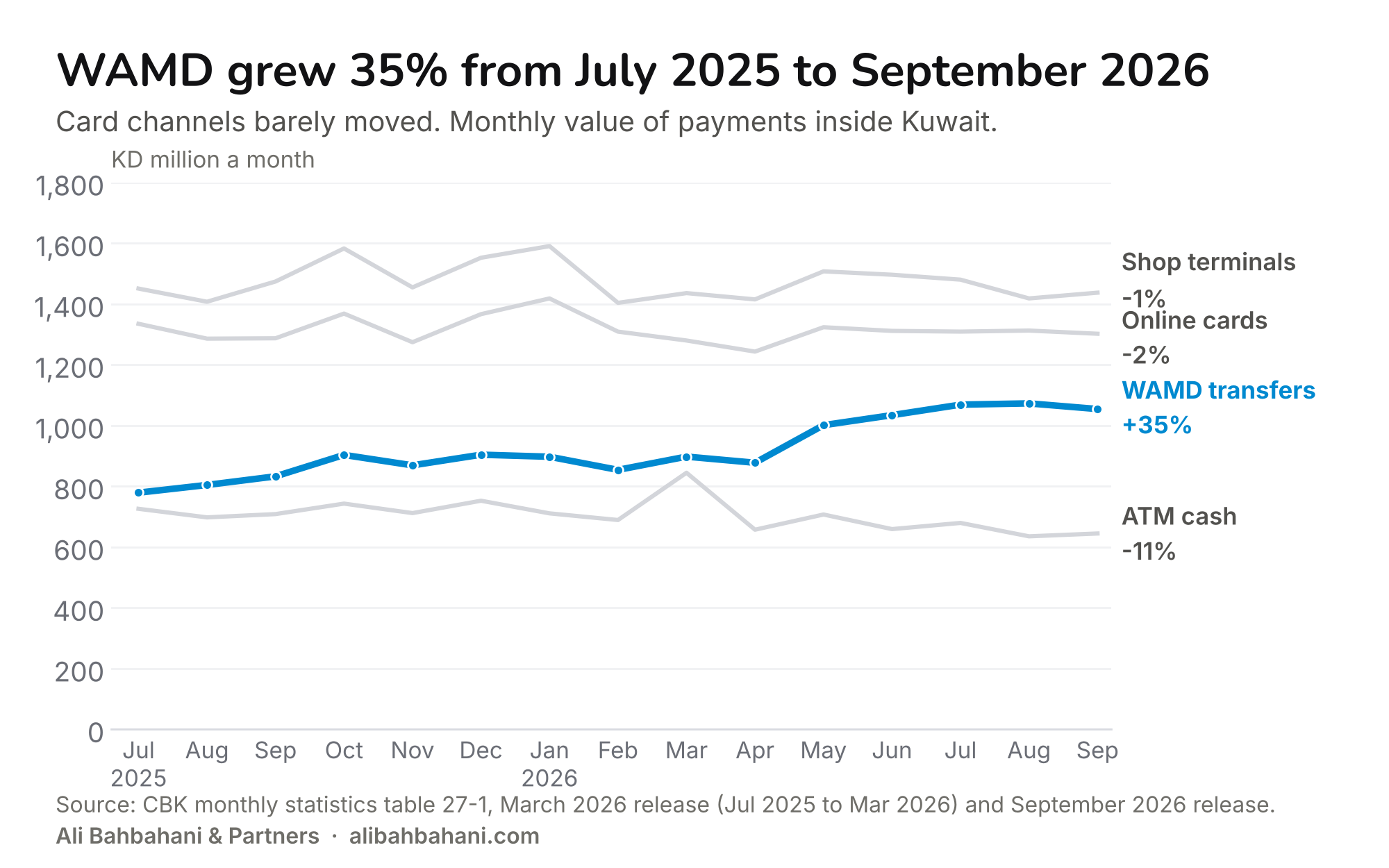
CBK’s monthly table of electronic payments inside Kuwait shows what happened next. WAMD transfers were worth KD 778 million in July 2025 and KD 1,054 million in September 2026, a rise of 35% from July 2025 to September 2026.9,10 The number of transfers grew faster, from 10.1 million to 17.0 million a month. Over the same period, card payments at shop terminals and online barely moved, and ATM cash withdrawals fell 11% by value.
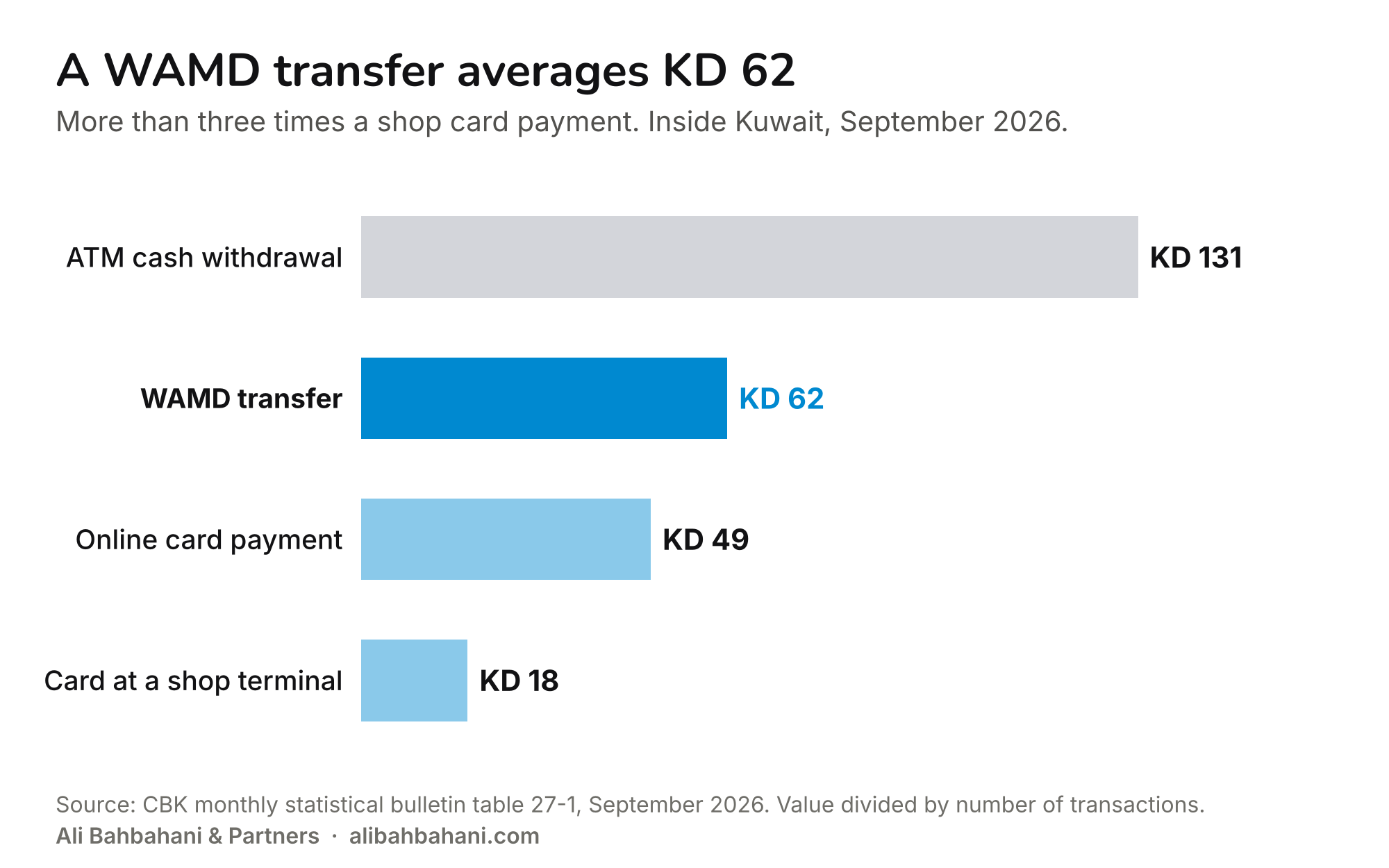
The average WAMD transfer in September 2026 was about KD 62. The average card payment at a shop terminal was KD 18, and online card payments averaged KD 49.10 Averages cannot tell you who paid whom. CBK does not publish WAMD by payer or payee, so I can’t say how much of it already goes to businesses.
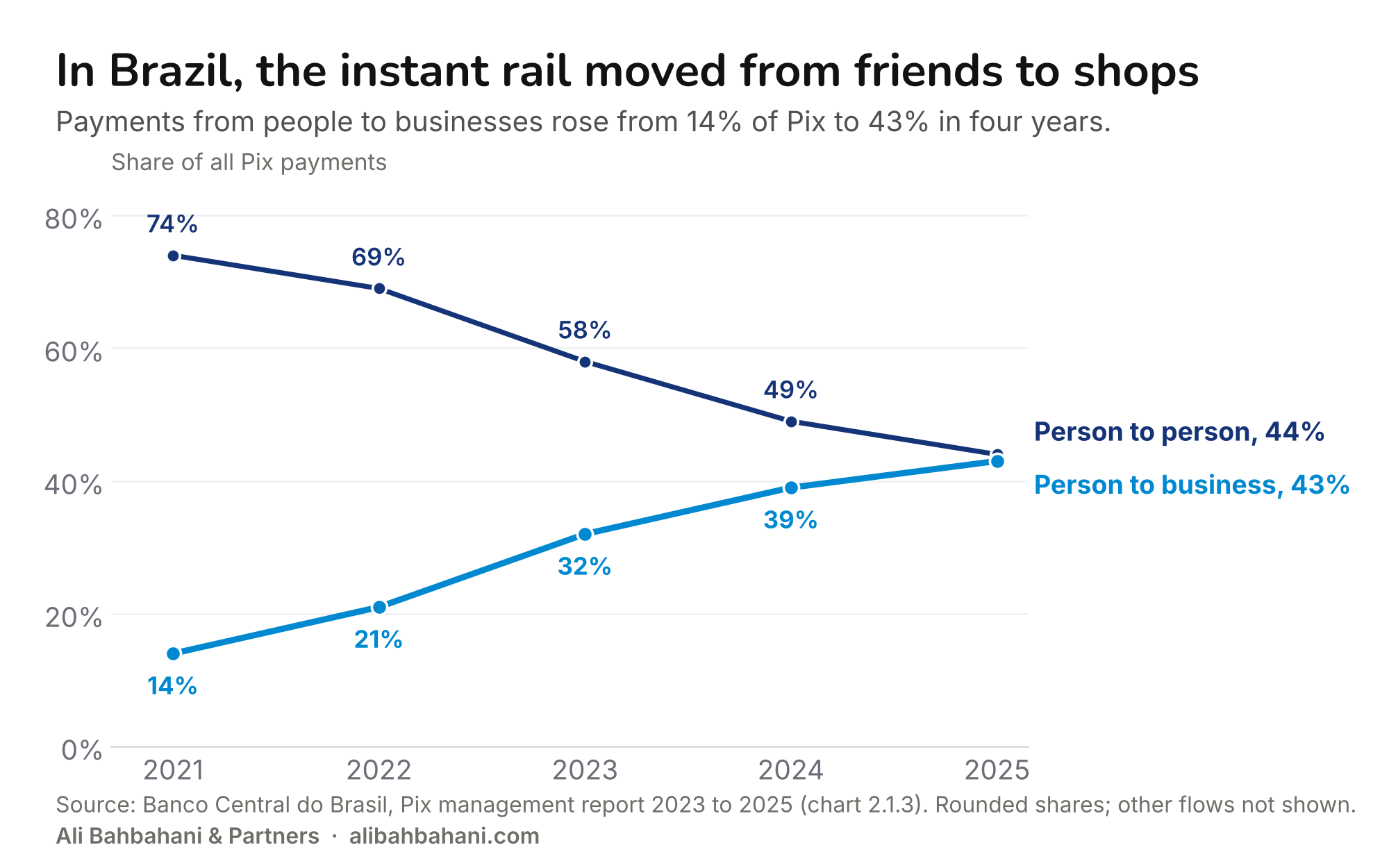
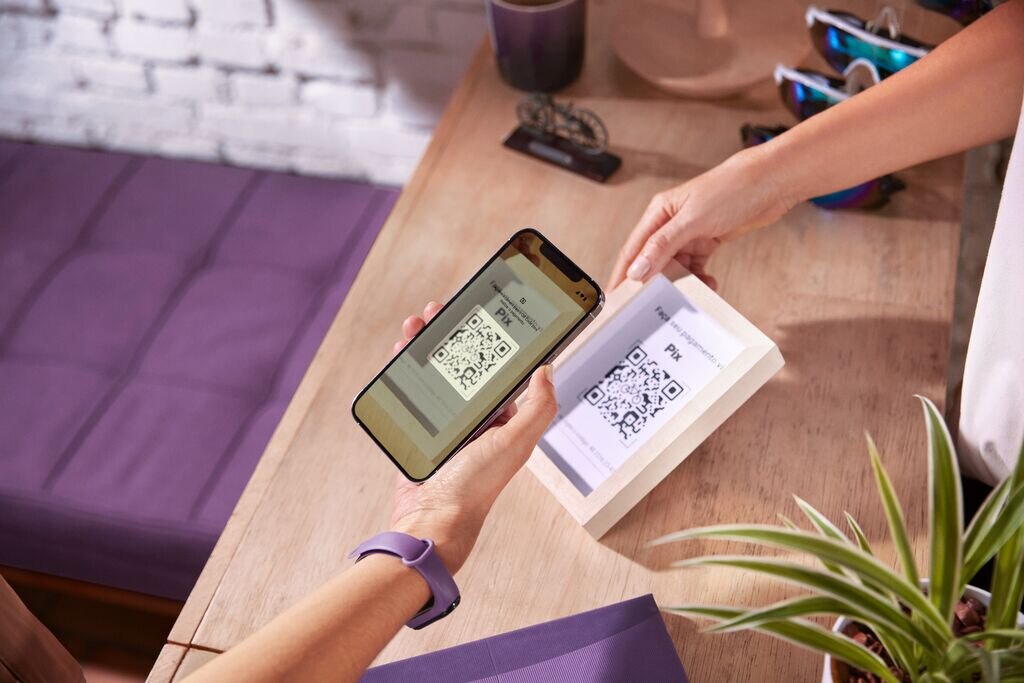
Brazil, which does publish that split, shows where an instant rail can go. Pix started as a way to pay people you know. In 2021, 74% of Pix payments went from one person to another and 14% from people to businesses. By 2025 the two were almost level, at 44% and 43%.11
So here is what open banking adds on the payments side. Kuwait does not need it to move money between accounts in seconds; WAMD already does that. Payment initiation adds one thing: a licensed app, or a shop’s checkout, can start a bank payment for you, with your approval. KNET’s published plans point the same way. They include connecting fintechs to WAMD, QR payments at shop terminals and a Request to Pay service for online merchants.8 My reading is that pay-by-bank in Kuwait will run on WAMD. Neither CBK nor KNET has said so.
Cards will not make it easy. At the end of September 2026 there were 8.1 million valid local bank cards, 6.3 million of them debit cards, and almost 107,000 payment terminals.12 A pay-by-bank button has to beat a tap that already works.
Follow the payment back to the shop
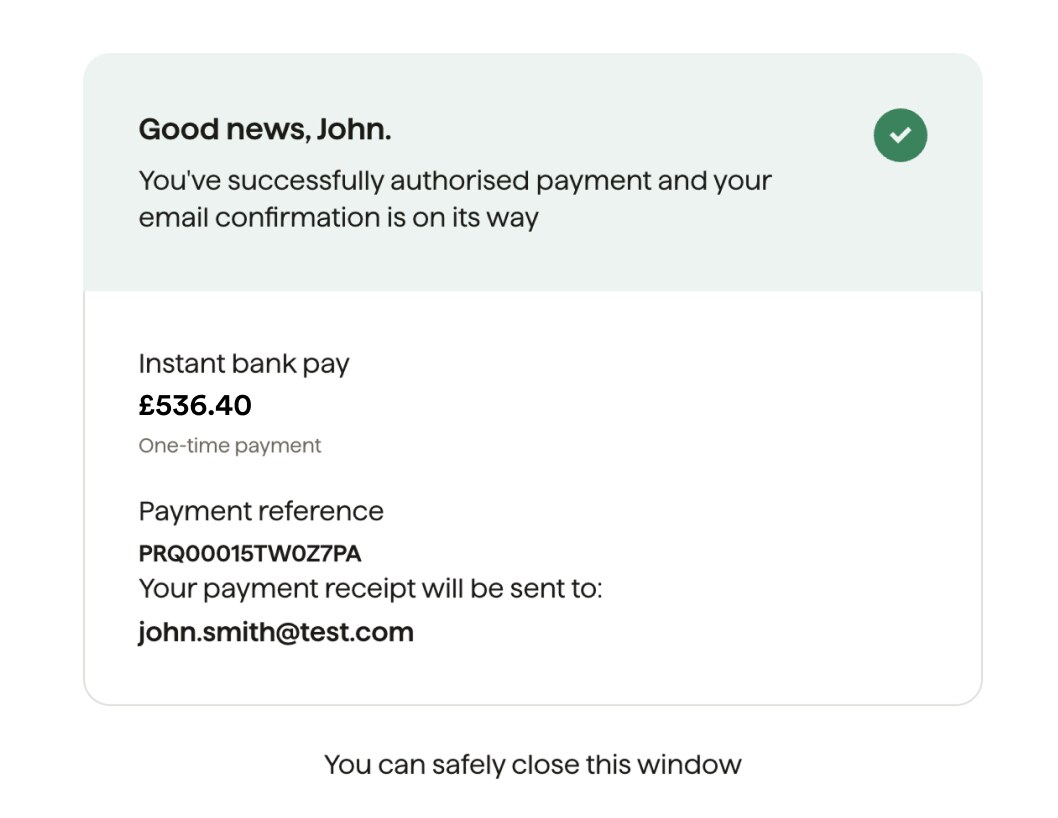
Imagine a KD 25 online order. You choose to pay from your bank account, approve the payment in your banking app and return to the shop, which still says pending. Has it gone through? Should you pay again? Who do you call?
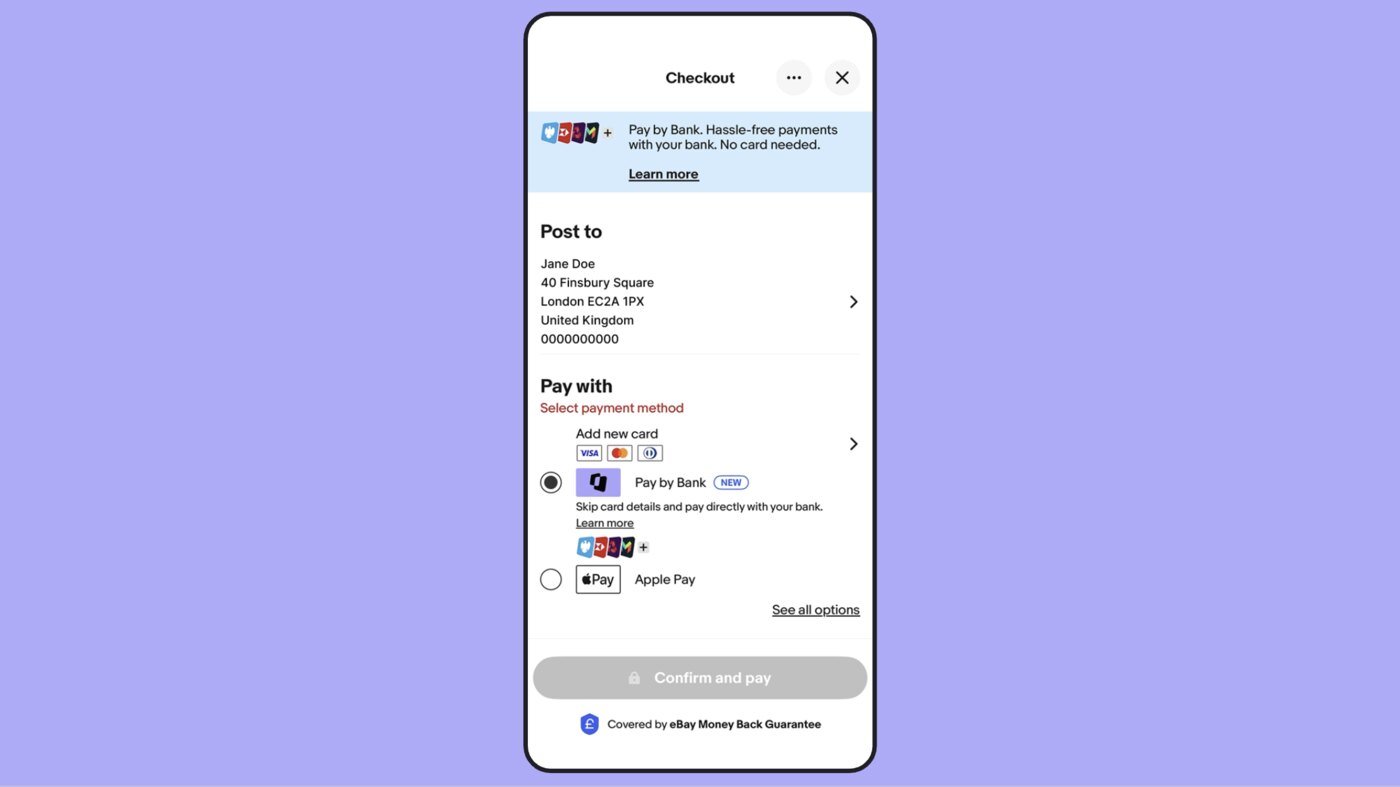

The bank’s payment result and the shop’s order confirmation answer different questions, and the shop needs a reliable way to match one to the other. A new way to pay earns its place in everyday habits through the awkward moments: the interrupted return, the late confirmation, the refund.
CBK gives a provider up to three days to explain a payment that failed or was delayed.2 That is a deadline for an explanation. A shopper at a checkout needs an answer in seconds. The merchant that gets this right will make pay-by-bank feel more reassuring than a card. The one that doesn’t will teach its customers to pay twice.
When the customer is a business
CBK’s list includes a use that gets less attention: making loans and letters of guarantee easier.1 For a household this is minor. For a small Kuwaiti company it may be the most useful item on the list.
If you have bid on a contract or signed a commercial lease in Kuwait, you have probably dealt with a letter of guarantee. In my experience, getting one, or a working-capital loan, starts with paperwork: statements printed or exported from every bank the company uses, then checked by hand at the lender. Open banking lets the owner give the lender direct, time-limited access to that history instead.
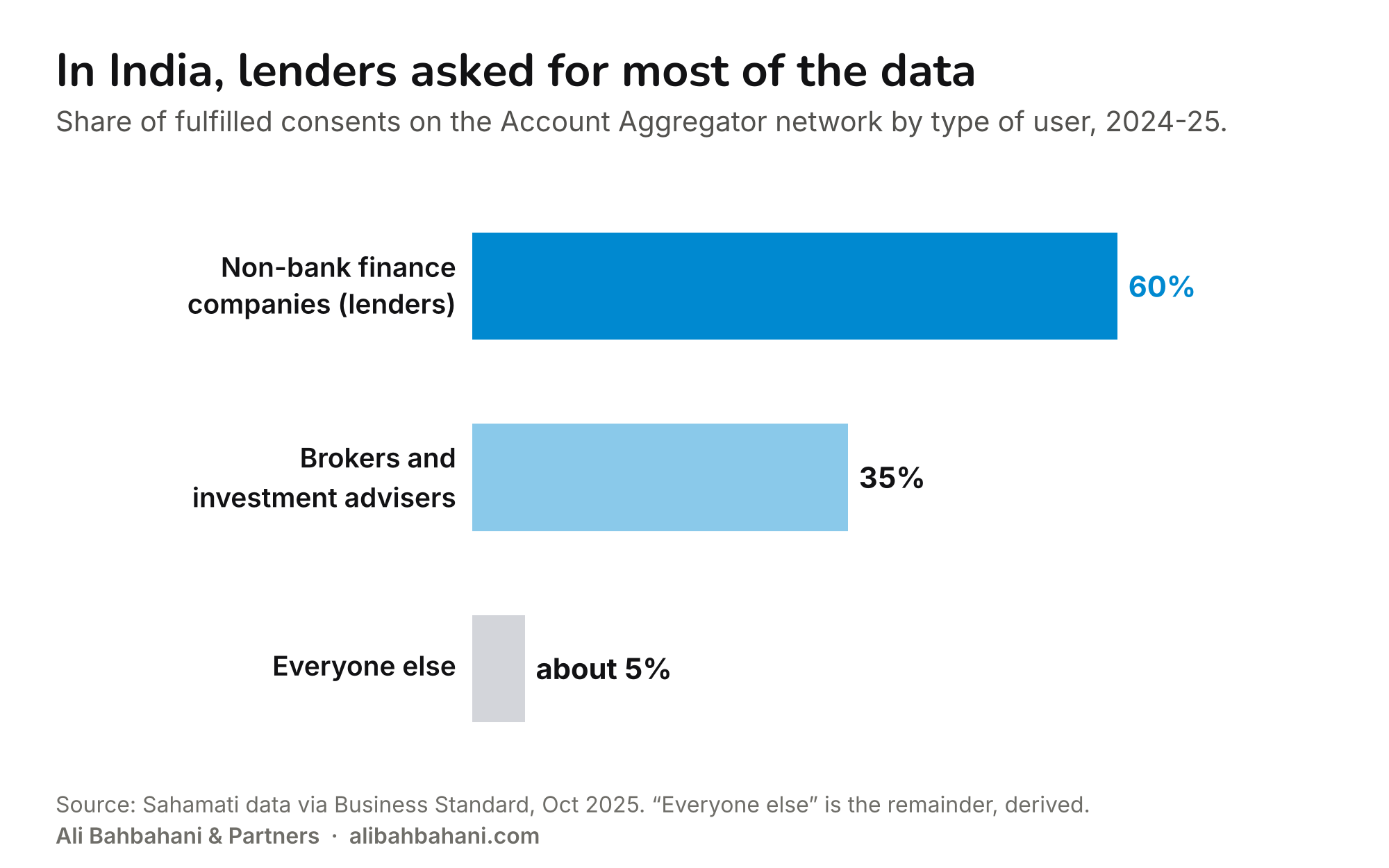
Other markets have tested whether this helps. In a Brazilian central bank experiment with 1,151 microentrepreneurs, those who received targeted information about sharing their data through Open Finance were 6.4 percentage points more likely than a control group to get new business credit within six months.13 India’s Account Aggregator network shows the same pull at scale. Non-bank lenders accounted for 60% of fulfilled consents in 2024-25,14 and Sahamati’s own lending survey estimates that the network enabled about ₹3.82 lakh crore (about ₹3.82 trillion) of loans in the year to March 2026.15
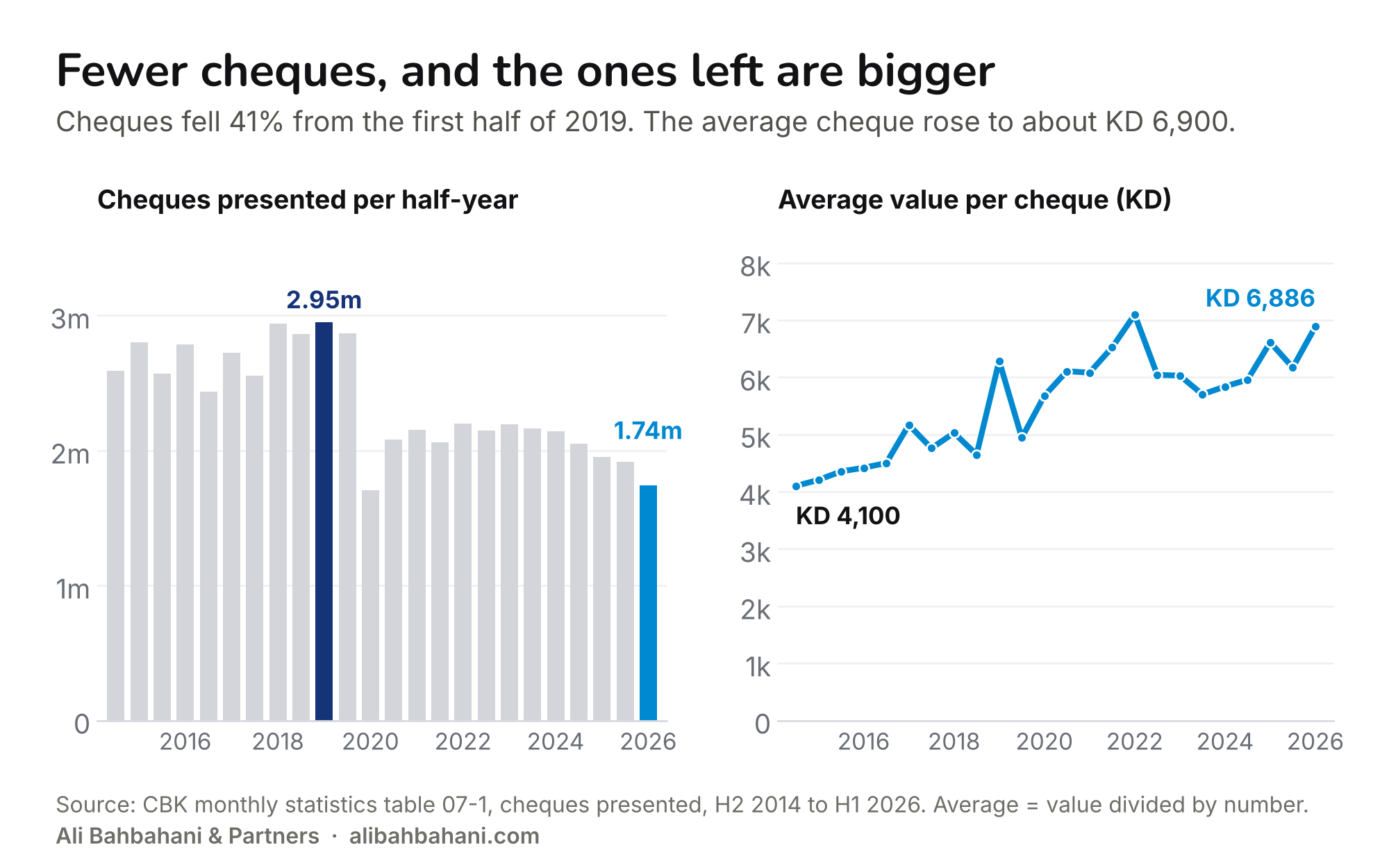
Cheques show how much money in Kuwait still moves on paper. Banks were presented with 1.74 million cheques in the first half of 2026, 41% fewer than the 2.95 million of the first half of 2019. The money on them fell by 35%, to KD 12.0 billion, so the cheques that remain are bigger. The average cheque was about KD 4,100 in the second half of 2014 and about KD 6,900 in the first half of 2026.16 CBK does not publish who writes them, so the average alone cannot say how many are business payments. For a company that still pays rent or suppliers by cheque, a confirmed transfer started from its own accounting software would do the same job and leave a clear record.
The framework names the use. The press release does not say how it will work, which accounts it covers or whether business accounts arrive in the first phase.1 Until those details are public, here is what I would ask of any bank that offers it.
Tell the owner exactly which accounts and how many months of history the lender will read, and when that access ends. Give a decision time, and a reason when the answer is no. Let the company’s accountant pull the same feed into the books, so reconciliation stops being a monthly copy-and-paste job. A contractor who gets a guarantee in time to bid will notice the benefit without being told what technology made it possible.
Five things worth coming back for
These are my priorities for a useful app, the same friction test I apply in every sector. They are not an international ranking, and they are not a claim that any of this is live in Kuwait.
1. A reliable view of the accounts I choose. Show me which banks I can connect before I start. Tell me when each balance was last updated. If a connection fails, do not quietly show yesterday’s figure as today’s.
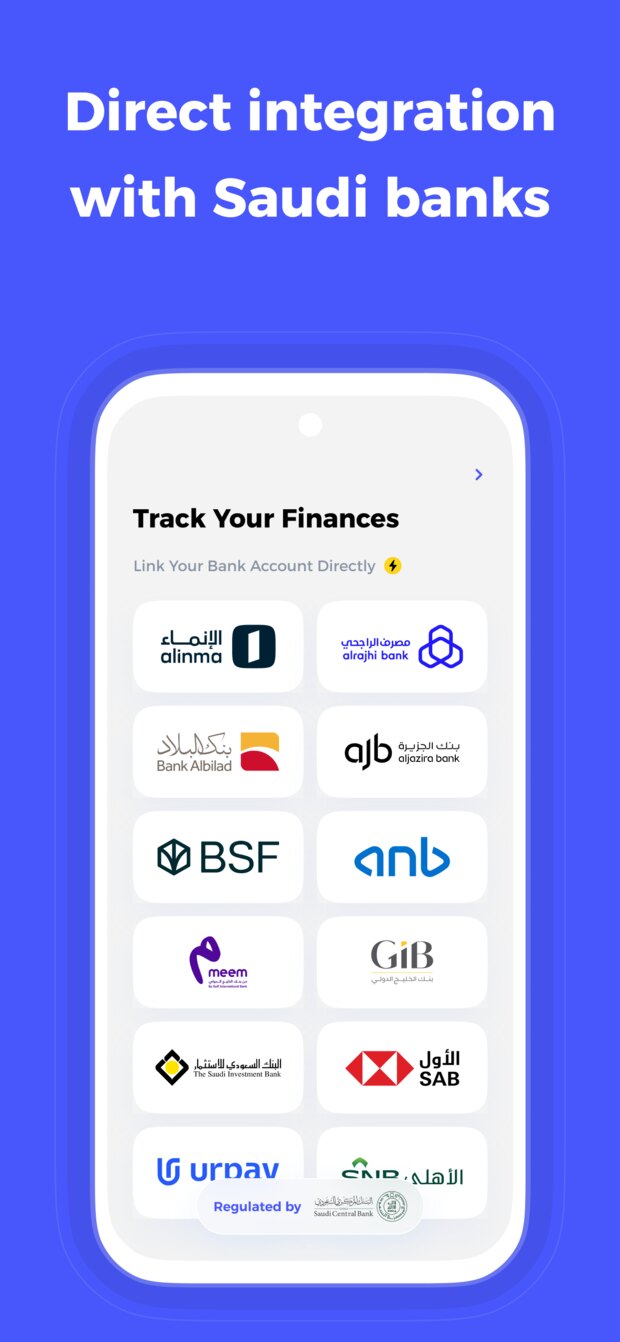
2. Permission I can understand and stop. Tell me who gets which information, why and for how long. Keep those permissions somewhere I can find again, with a button that ends them. CBK’s definition of consent already asks for most of this.3 The screen is where it either happens or doesn’t.
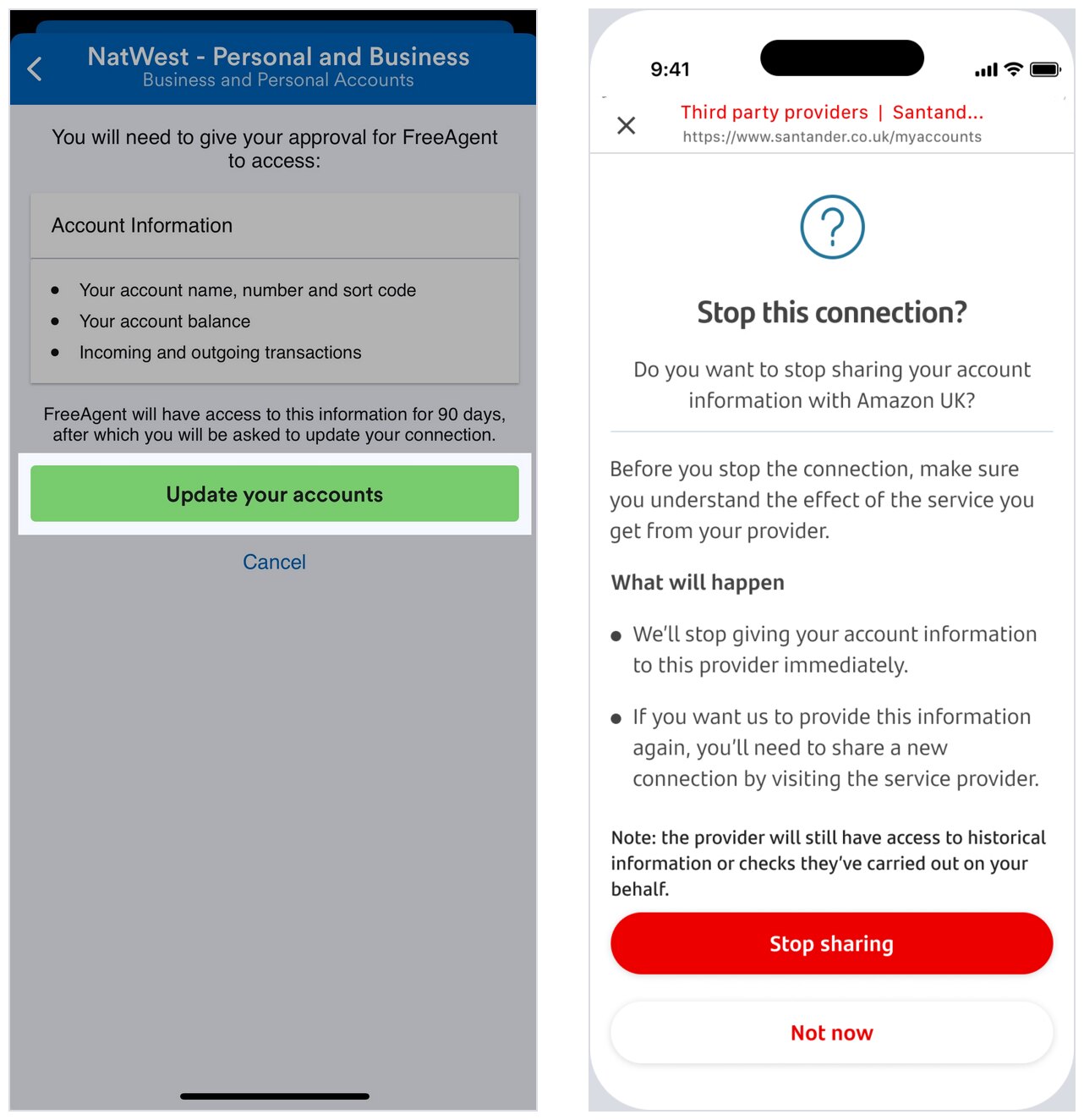
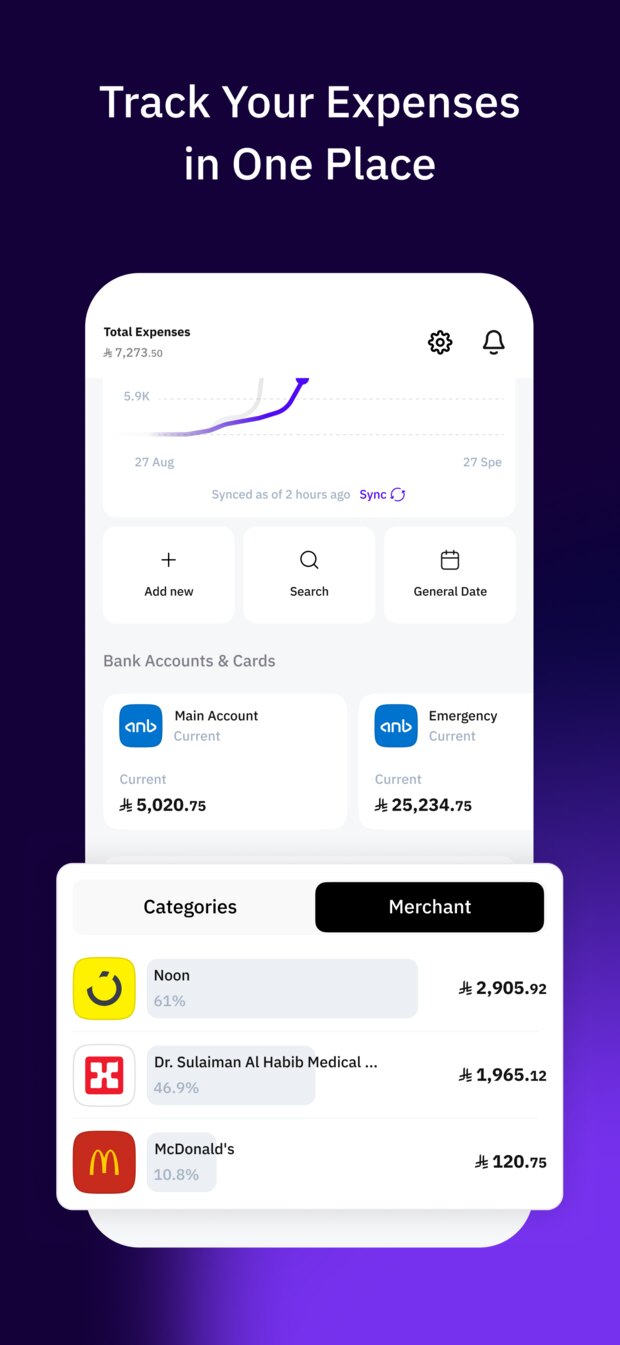
3. Spending totals that add up. A transfer between my own accounts is not spending. A card repayment should not count twice if the purchases are already in. Let me fix a category and see what sits behind a total.
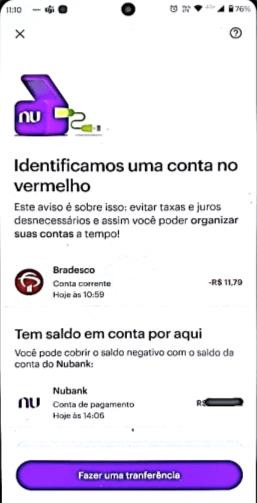
4. A warning before the rent bounces. Enough money across three banks does not mean enough in the account that pays the rent. Show me which bills the forecast includes, and warn me while I still have time to move money. In Brazil, Nubank says its alert about a negative balance at another bank reached more than 3 million people, and that those who acted on it spent three fewer days in overdraft on average. Those are the company’s own figures, from August 2025.17 That alert reacts once a balance is already below zero. A forecast would warn earlier.
5. A payment that ends with a clear answer. Before I approve, show the merchant and the amount. When I return to the shop, tell me whether the order is confirmed, pending or failed, and where to go if it is wrong.
Who gets to be your second app
Open banking separates two things that used to come together: where your money sits and which app you use to look at it. The bank that holds your salary already has your attention, so it is defending a habit. The bank that does not hold it is trying to win one. So is a fintech that holds none of your money.
The Gulf has already shown both moves. In April 2026 Abu Dhabi Islamic Bank became the first UAE bank licensed as a third-party provider, which allows it to show customers their accounts at other banks inside its own app.18 In Kuwait, Spare, a regional fintech, says Boubyan Bank sponsored its entry into CBK’s open banking sandbox and that the two have now signed a partnership.19 That is the only named local build I found. The licence rules also decide who can play: every licence that allows these services requires a shareholding company, so a small fintech organised as a limited company cannot offer either one.2
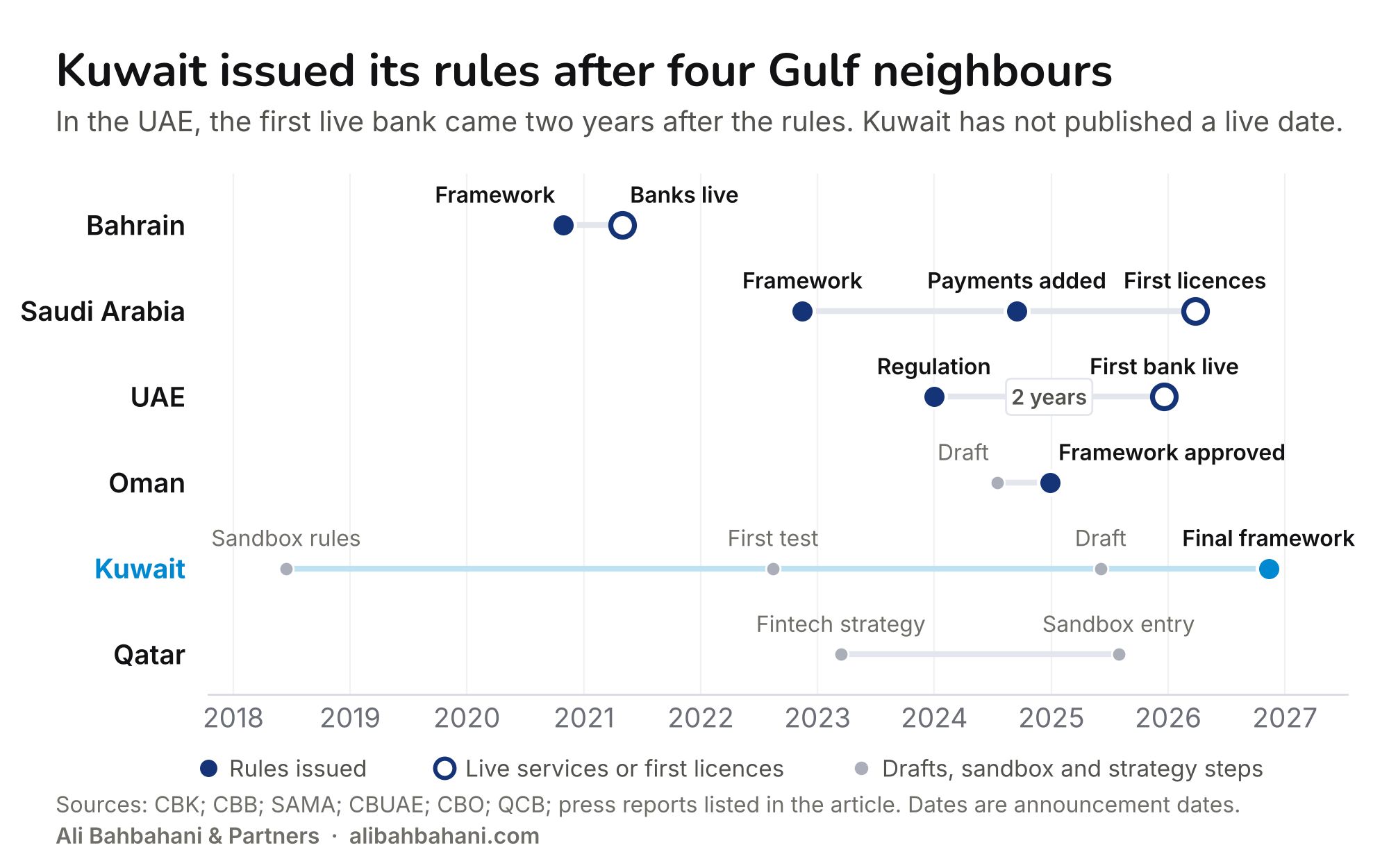
Kuwait is late by regional standards, which helps the second-app players. Bahrain launched its framework in October 2020.20 Saudi Arabia issued its framework in November 2022, added payment initiation in September 2024,21,22 and in March 2026 licensed its first two firms to provide account information, Lean Technologies among them.23,24 The UAE issued its regulation in December 2023,25 and Commercial Bank of Dubai went live with licensed providers two years later.26 Oman’s central bank board approved its framework in December 2024.27 Qatar has let a payment-initiation firm into its sandbox and has published draft technical standards, still awaiting the central bank’s approval. As far as I could find, it has no final framework.28,29
Linking an account measures access. Moving your salary, your savings or your borrowing is a separate decision, and nobody should claim the first proves the second. A familiar brand gets you to try an app once. The second visit decides whether you stay.
What other markets show
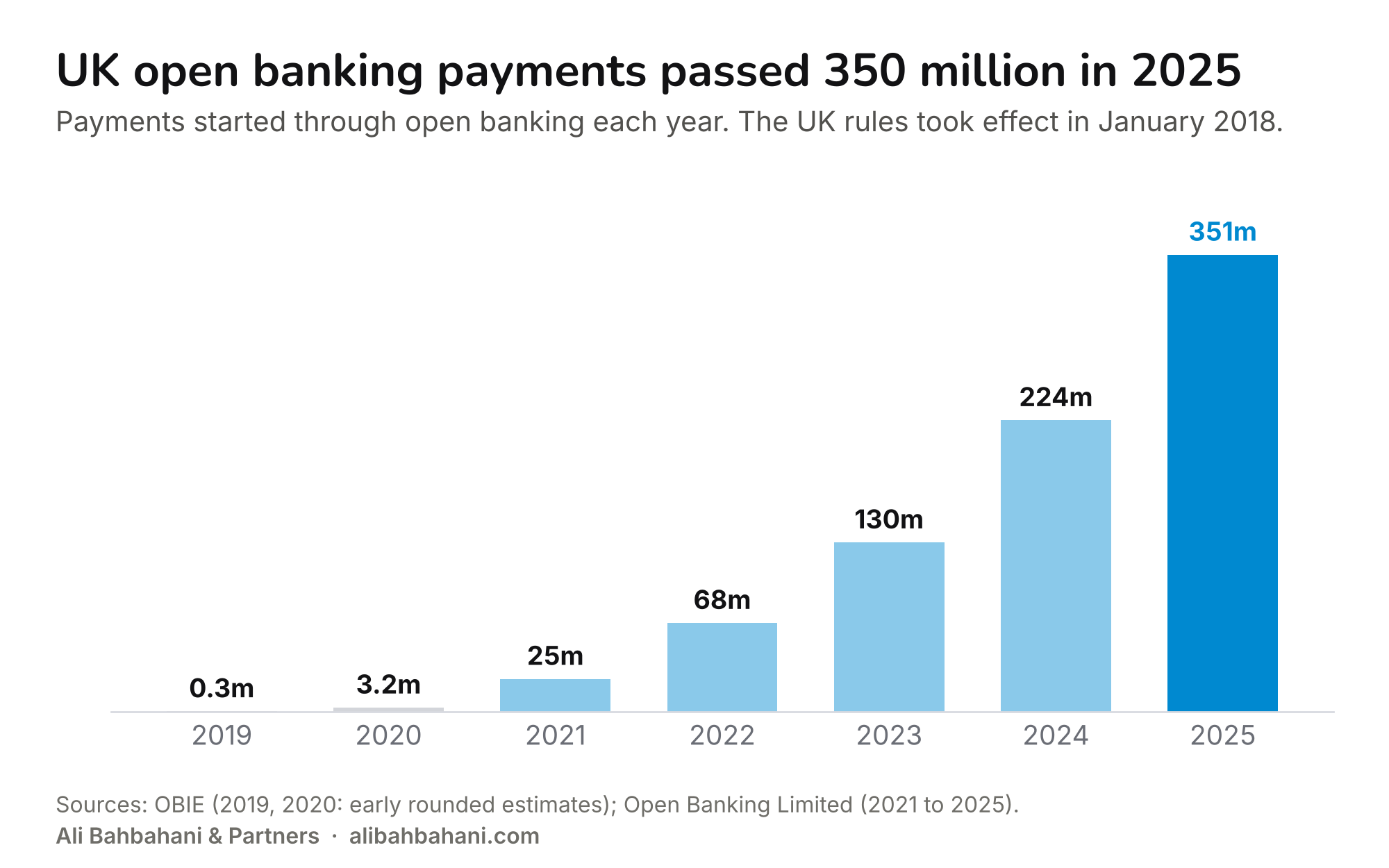
United Kingdom. The UK rules took effect in January 2018. Payments started through open banking rose from about 3.2 million in 2020 to 68.2 million in 2022, 130 million in 2023, 223.9 million in 2024 and 351 million in 2025.30,31,32,33,34 The FCA put active users at more than 16 million in 2025.35 The chart shows growth. It does not show which payment method each of those payments replaced.
Brazil. The central bank reported 0.64 million Pix payments started through Open Finance in 2022 and 64.53 million in 2025.11 That is fast growth from a small base: 64.53 million is less than 0.1% of the 79.8 billion Pix payments made in 2025.

Payments are easy to count. The quieter use is account data. Brazil’s central bank found around 30 million customers using account aggregation or money-management tools among participating providers in the second half of 2024.36 Nubank said in August 2025 that 15 million of its customers share data with it through Open Finance.17 Asked in July 2026 what Open Finance is good for, 40.4% of Brazilian adults selected easier switching, 37.5% having all their accounts in one app and 35.6% getting credit or a higher limit.37

India. The Account Aggregator network passed 500 million fulfilled consents in September 2026, five years after launch, with more than 310 million accounts linked by customers.38
What to watch next
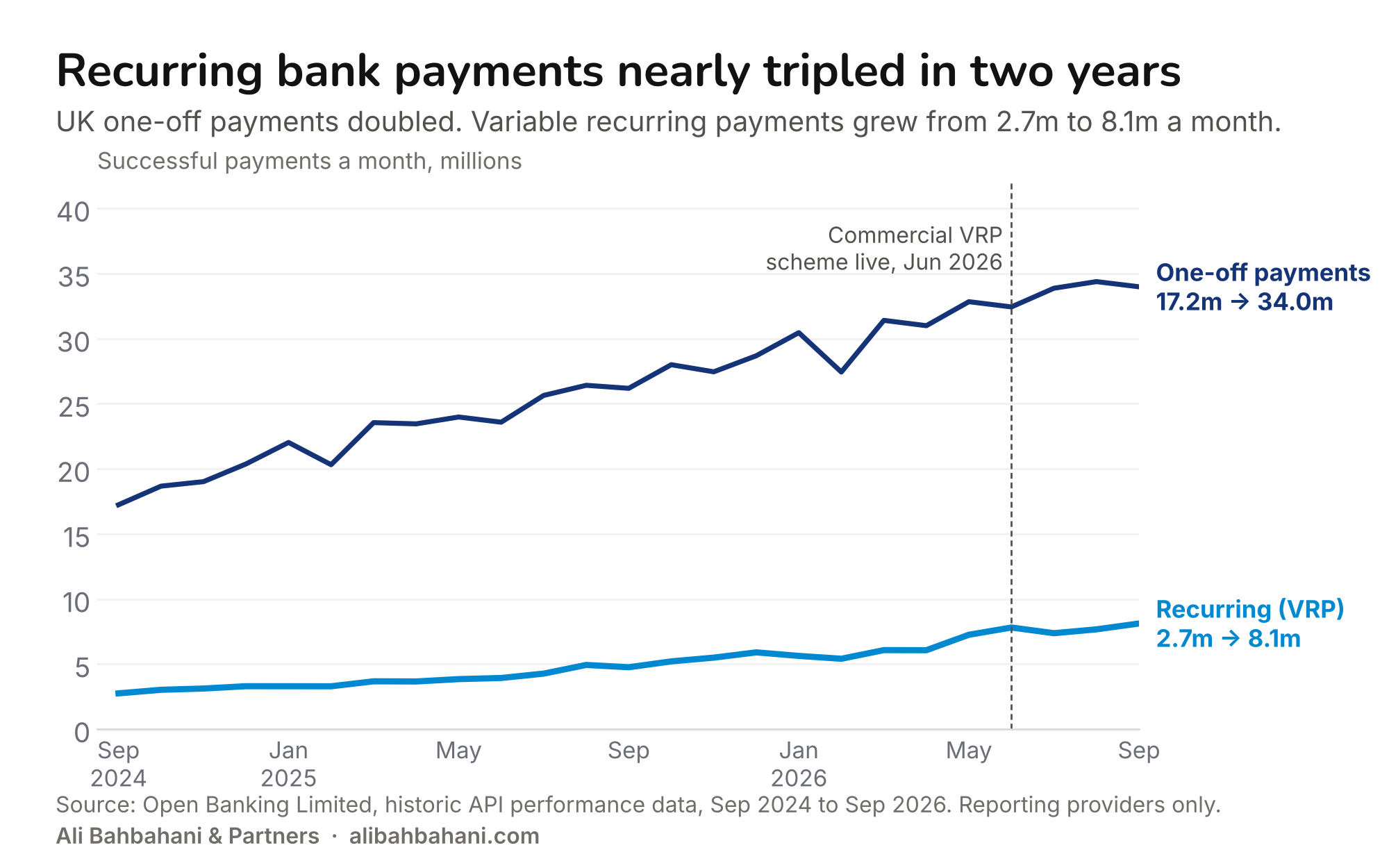
Recurring payments. Variable recurring payments let a customer approve a series of payments within limits, instead of approving each one. In the UK they grew from 2.7 million to 8.1 million a month between September 2024 and September 2026, while one-off payments doubled.39 Most of that volume has been sweeping, which moves money between a customer’s own accounts. In June 2026 the UK Payments Initiative launched a commercial scheme for utilities, regulated financial services and government. Specific uses for rail tickets and charity platforms followed on 9 November 2026, with support confirmed bank by bank.40,41 In Kuwait, the obvious uses are rent, school fees and instalments that today go by standing order or cheque.
Who pays for the data. Kuwait’s published decision says nothing about whether banks may charge providers for access to customer data. Elsewhere this is the live argument. The US rule finalised in 2024 banned such fees,42 but a court has stayed its compliance dates while the CFPB reconsiders the rule.43 Bloomberg Law reported a draft that would let banks charge after a set number of data requests; no revised fee rule has been settled.44 In Europe, FiDA would have widened data sharing beyond payment accounts and let banks ask for reasonable compensation.45 On 4 November 2026 the European Commission put it on its list of proposals to withdraw; it has not yet been formally withdrawn.46 Kuwaiti banks and fintechs will each quote the example that suits them.

Two more to watch
Wallets owned by banks. Europe’s banks built Wero as their own answer to card schemes and big-tech wallets. It added online checkout in Germany in November 2025 and in Belgium in March 2026.47,48 WAMD is already a shared bank rail in Kuwait; whether banks turn it into a shared checkout is a choice none of them has announced.
AI agents that pay. The FCA’s current sandbox cohort focuses on payments made by AI agents, and TrueLayer is testing agents that start pay-by-bank payments.49 Open banking consent already has a scope, a purpose and an end date. An agent that pays would also need a spending limit, a running total and a way to stop it.
Is it safe?
The design starts from one rule: you never give a third-party app your bank password. Usually the app sends you to your own bank, you sign in there, and the bank shows you what you are agreeing to. CBK’s decision adds protections of its own: full liability and a full refund when a provider carries out a payment wrongly, and, where a provider holds customer money, that money kept apart from its own and out of its creditors’ reach. A provider licensed under these rules may not itself offer cross-border services or outward transfers.2
The UK numbers are encouraging, with a caveat. Open Banking Limited reports a fraud rate of 0.013% of open banking payments, by number, in the first half of 2025. UK Finance’s industry figure for the same period, covering push payment, remote banking and remote purchase fraud, was 0.045%. OBL itself says the comparison is only illustrative, because the two rates are measured differently. Push-payment scams are the exception. They made up 74% of open banking payment fraud, and at 0.009% of payments they ran above the industry’s 0.005%.50 That is the risk WAMD users already know: an instant bank payment is hard to pull back. A scammer does not need your password if they can talk you into approving a payment yourself. Read the payee name on the approval screen every time.
If you run a bank or a fintech
For account services, track how many eligible customers link a second bank, and how many come back to the combined view within 30 days. Count completed connections separately from attempts. Check that people understand their permissions and can withdraw them without calling anyone.
For payments, measure confirmed orders per checkout attempt, time to confirmation, unresolved payments, duplicate attempts and refund resolution. Record any incentive, or a discount will be mistaken for a preference. TrueLayer reports that pay-by-bank made up 90% of payments at JamDoughnut, a UK gift-card app, while it offered extra cashback for paying that way.51 That shows what an incentive can do. It says little about what shoppers prefer. Test every journey in Arabic and in English, including stale balances, failed connections and customers who change their minds.
Open banking will matter in Kuwait when it helps someone make a better decision or finish a payment with less doubt. I would judge it by two people: a customer who comes back because the app warned them about next week’s bill, and a shopper who knows their order went through.
That leaves the question every Kuwaiti bank should be asking: can it win the app a customer opens every day without winning their salary account?