What a Customer Journey Audit Actually Reveals
%201-min.avif)
.webp)
A Kuwaiti bank hired us to figure out why new account openings were dropping. They assumed it was a marketing problem and were ready to increase their advertising budget. We ran a customer journey audit instead. The problem was not that people did not know about the bank. It was that the account opening process took 40 minutes in-branch, required four forms with overlapping fields, and ended with a "your card will arrive in 7-10 working days." The customer had to visit a bank branch twice and wait 10 days before they could use their own account.
The marketing was working. The experience was killing the conversions.
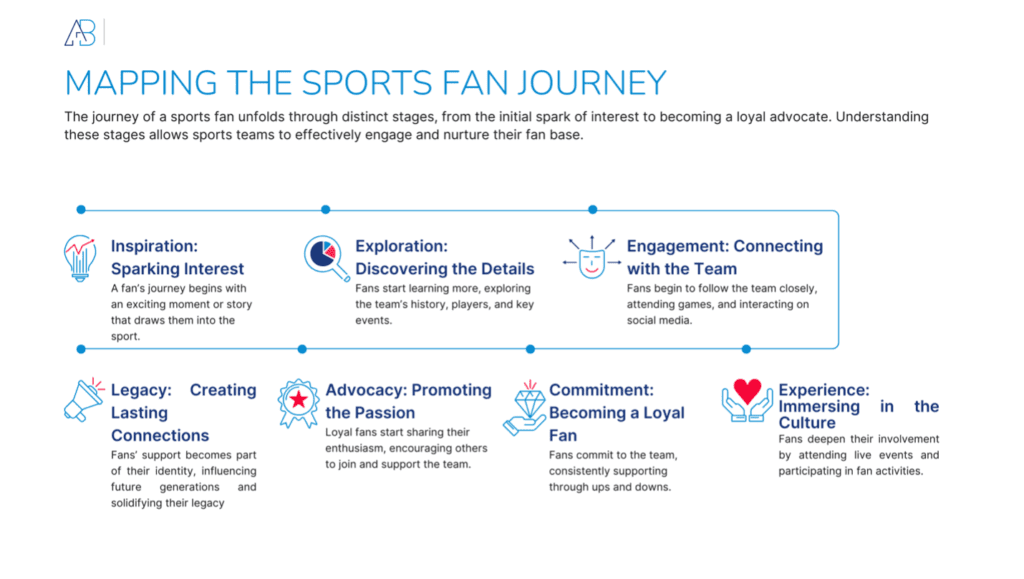
What a Journey Audit Actually Reveals
A customer journey audit maps every interaction a customer has with your business, from the first moment of awareness through purchase, use, and post-purchase. It identifies where friction exists, where customers drop off, and where the experience fails to match the promise your brand is making.
The word "audit" matters. This is not a brainstorming session about what the journey should be. It is a fact-finding exercise about what the journey actually is. We observe real customers. We measure real times. We document real friction. The gap between how a company thinks the journey works and how it actually works is always larger than expected.
At our practice, the 14-stage journey framework covers every touchpoint from pre-awareness to advocacy. Each stage is scored against actual customer behaviour, not management assumptions. The output is a prioritised friction map: here are the 10 biggest points of friction, ranked by impact on conversion and satisfaction, with specific fixes for each.

The Friction Nobody Notices
The most damaging friction in a customer journey is usually invisible to the people running the business. They have adapted to it. The 40-minute account opening was "normal" to the bank's branch staff. They had been doing it for years. Nobody questioned it because nobody had experienced it as a customer.
This is why mystery shopping is part of every journey audit we run. We send real people through the real experience and document what actually happens. Not what the process manual says should happen. What actually happens. The difference is always instructive.
During my time at Ali Alghanim and Sons, we used the same approach for the automotive customer journey. The process manual said a service appointment should take two hours. Actual measurement showed it took three hours and 40 minutes on average because of a handoff delay between service reception and the workshop that nobody had flagged. That single fix, a change in how jobs were assigned, cut the average service time by 45 minutes.

Why Companies Avoid It
Journey audits produce uncomfortable findings. They tell you that the experience you have been providing, often for years, has problems you did not know about. Some companies would rather not know. They would rather spend on marketing to push more people into a broken funnel than fix the funnel itself.
The bank we audited had spent 120,000 KD on advertising in the previous year to drive new account openings. The journey fixes we recommended cost under 15,000 KD to implement. The advertising was pushing water uphill. The fixes levelled the ground.
When to Do One
The right time for a customer journey audit is any time you notice a gap between activity and results. Plenty of website visitors but few enquiries. Plenty of store traffic but low conversion. High customer acquisition but high churn. These symptoms all point to friction somewhere in the journey that is not visible from the management dashboard.
The other time is before any major investment. Before redesigning a website, remodelling a branch, launching a new product, or expanding to a new market. Understanding the current journey before making changes ensures you are fixing what is actually broken rather than guessing. The audit at Ali Bahbahani & Partners always comes before the recommendation. That sequence is not negotiable because recommending changes without understanding the current state is how consulting money gets wasted.