In-Person Customer Experience: What Actually Works
%201-min.avif)
.webp)
I was at a car dealership in Kuwait last year. Showroom was spotless. Cars were polished. The receptionist smiled and offered coffee. Then I waited 22 minutes before anyone came to talk to me. When a salesperson finally appeared, his first question was: "What is your budget?" Not what I was looking for. Not what mattered to me. What I could spend.
That dealership had invested heavily in the physical environment and nothing in the human interaction. The coffee was better than the conversation. This is the most common failure in in-person customer experience: companies design the space and forget to design the interaction.
The First 30 Seconds Set Everything
Research on first impressions is consistent: the initial moments of an in-person encounter shape the entire experience. A warm greeting that uses the customer's name if known, acknowledges them quickly, and makes them feel expected rather than an interruption sets a completely different tone than being left standing while staff finish a conversation.
During my years at Ali Alghanim and Sons, we measured the time between a customer entering the showroom and being acknowledged. The target was under 60 seconds. The showrooms that hit that target consistently scored higher on NPS than the ones that did not, even when the subsequent sales process was identical. The greeting was the variable that predicted satisfaction better than anything that came after.

Staff Behaviour Is Trainable
Companies spend millions on interiors and pennies on staff training. A marble floor does not create a good experience. A person who knows how to read the customer in front of them does. The question the salesperson should have asked me was: "What are you looking for today?" Or better: "Is this your first time here, or are you coming back to look at something specific?"
When we design customer journey improvements for physical locations, the staff training component is always the highest-return investment. A two-day training programme that teaches staff how to greet, how to ask open questions, how to handle complaints, and how to close an interaction warmly costs a fraction of a renovation and produces measurable improvements within weeks.

Environment Shapes Behaviour
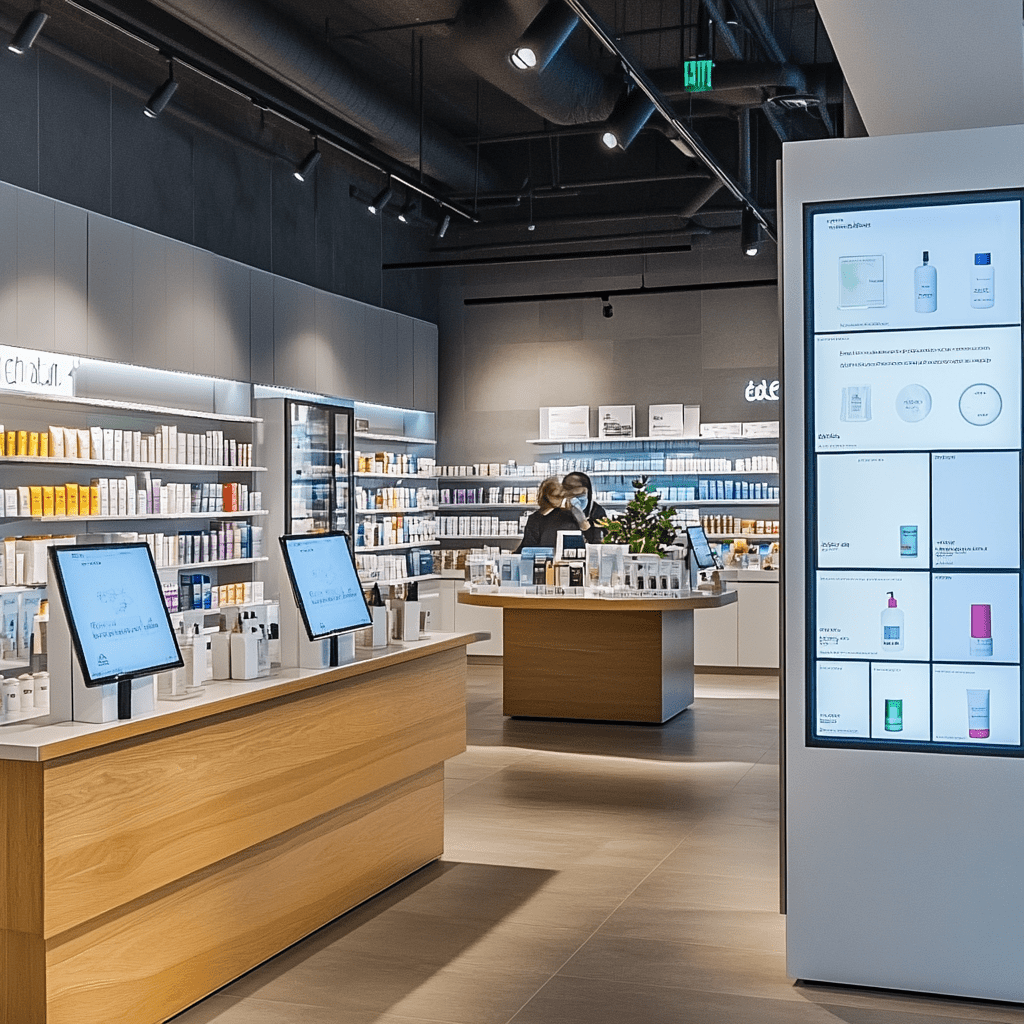
The physical space is not irrelevant. It just works differently than most companies think. A well-designed environment should make the customer's task easier, not just look impressive. Can they find what they came for? Is the queue managed? Is the lighting appropriate for the task? Is the temperature comfortable? Is there somewhere to sit if they need to wait?
In luxury hotels, the physical environment does enormous work. The lobby scent at the Four Seasons, the lighting in the restaurant at Beau-Rivage Palace, the sound design at Aman resorts. These are deliberate choices that shape how guests feel before a single word is spoken. The same principle applies to a bank branch, a retail store, or a medical clinic. The space either supports the experience or undermines it.
Service Recovery Is the Real Test
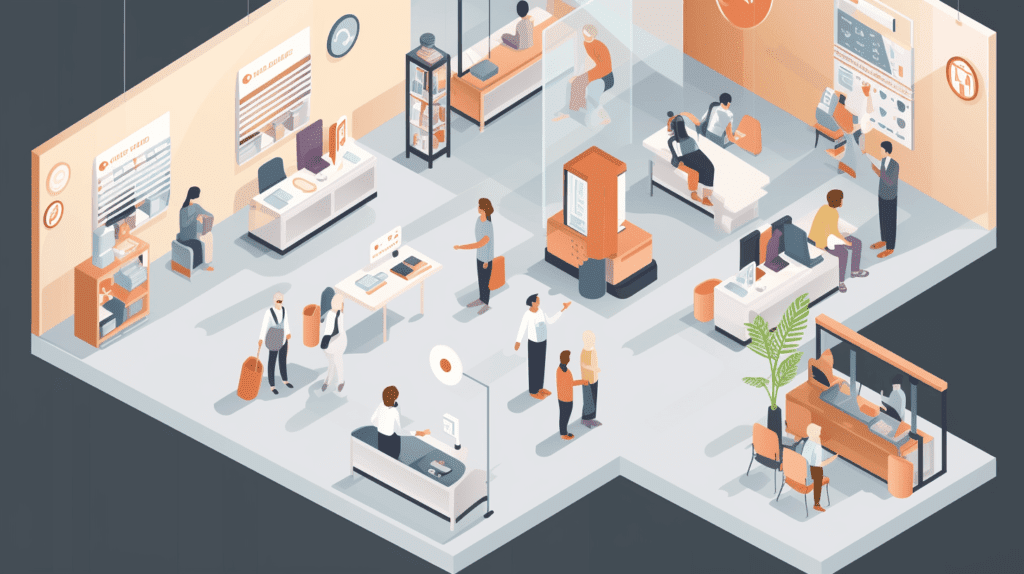
Every business makes mistakes. The quality of the in-person experience is not measured by what happens when things go right. It is measured by what happens when things go wrong. A complaint handled immediately, with empathy and ownership, can turn a frustrated customer into a loyal one. A complaint met with defensiveness, delay, or a "let me check with my manager" loop does the opposite.
The mystery shopping programmes we run always include a complaint scenario. We need to see not just how the team handles a smooth interaction but how they respond to friction. The results are usually revealing. Companies that train for service recovery perform dramatically better on overall satisfaction than those that train only for the standard journey.
In-person experience is not about the marble or the coffee. It is about whether the person who represents your brand makes the customer feel valued, understood, and helped. Everything else is furniture.