Geneva's Quiet Charm: Hospitality Lessons from Les Armures
%20(2).avif)
.webp)
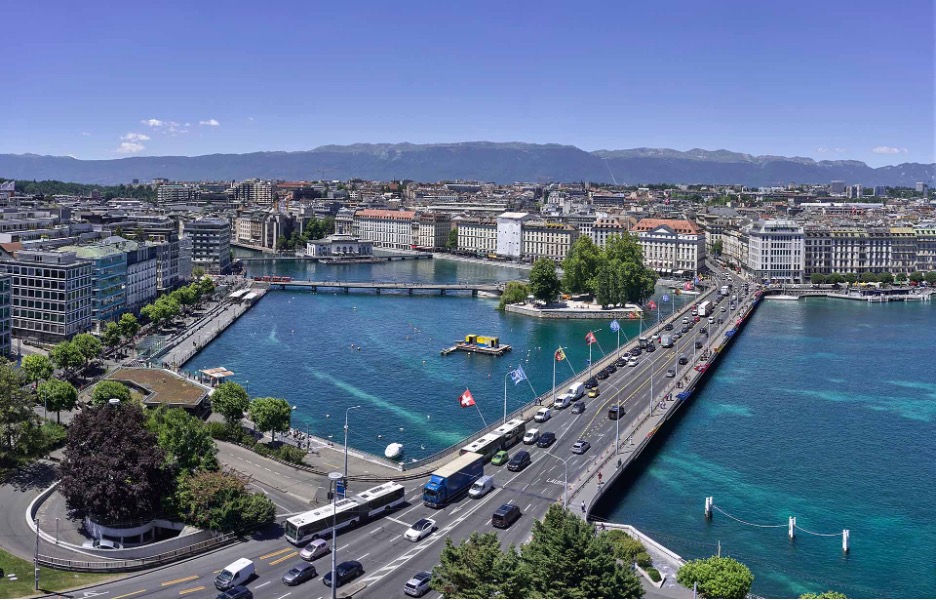
Geneva runs the way its watches do. Quiet, precise, organised. Lakeside views, discreet wealth, and a baseline politeness that never quite drops. For hoteliers in the city, the risk sits in plain view. When everything is polished on the surface, how do you build an experience that registers underneath?
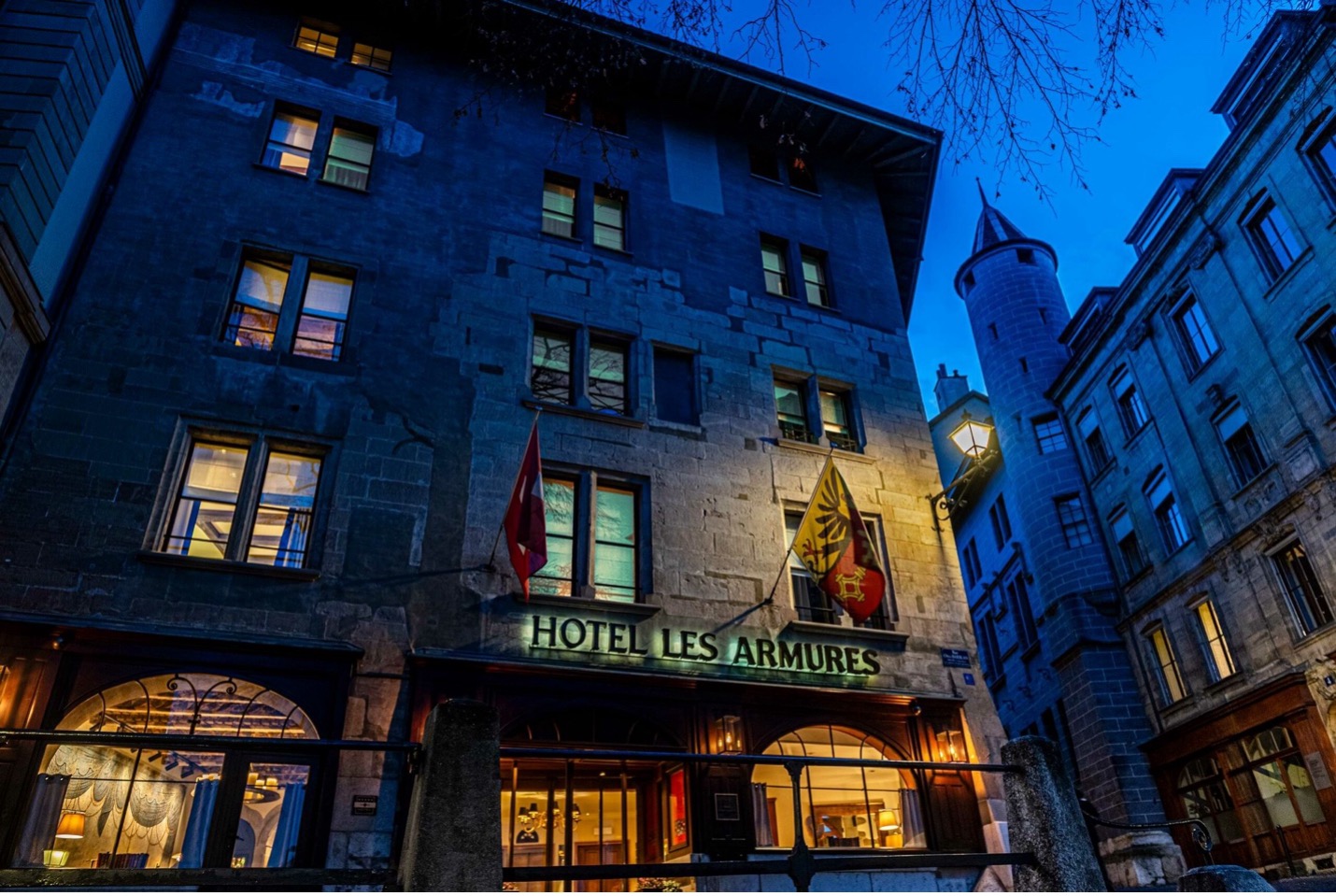
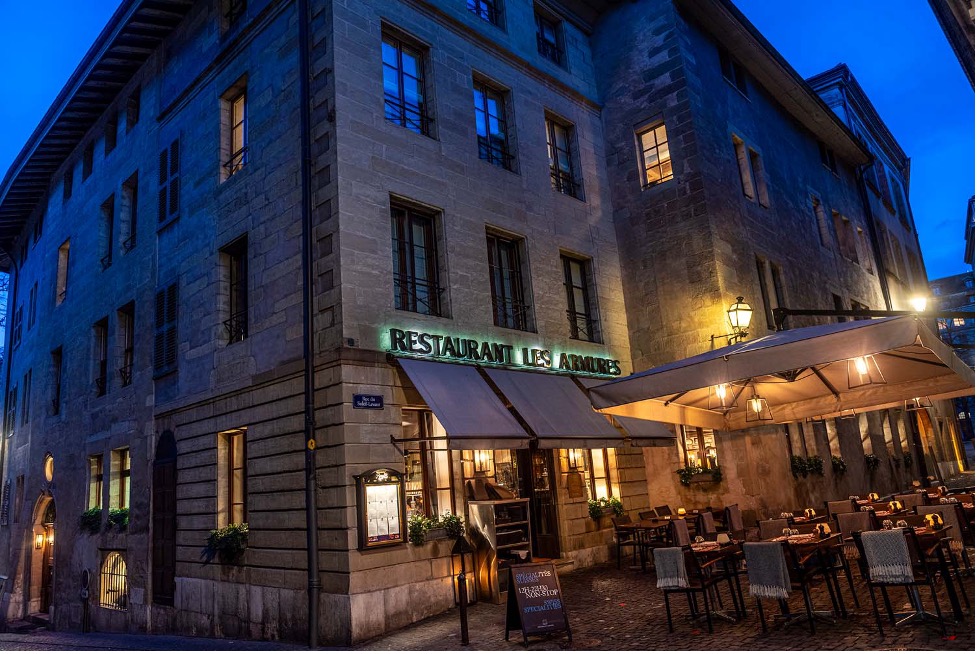
The hotel I want to write about, Les Armures in the Old Town, is a useful test case. It does most things well. The places where it slips are the most instructive part of the visit.
The Hotel in Brief
- Five-star boutique, 32 rooms
- 17th-century building, originally an armory
- Average daily rate around CHF 420
- Old Town location, cobblestoned and centuries old
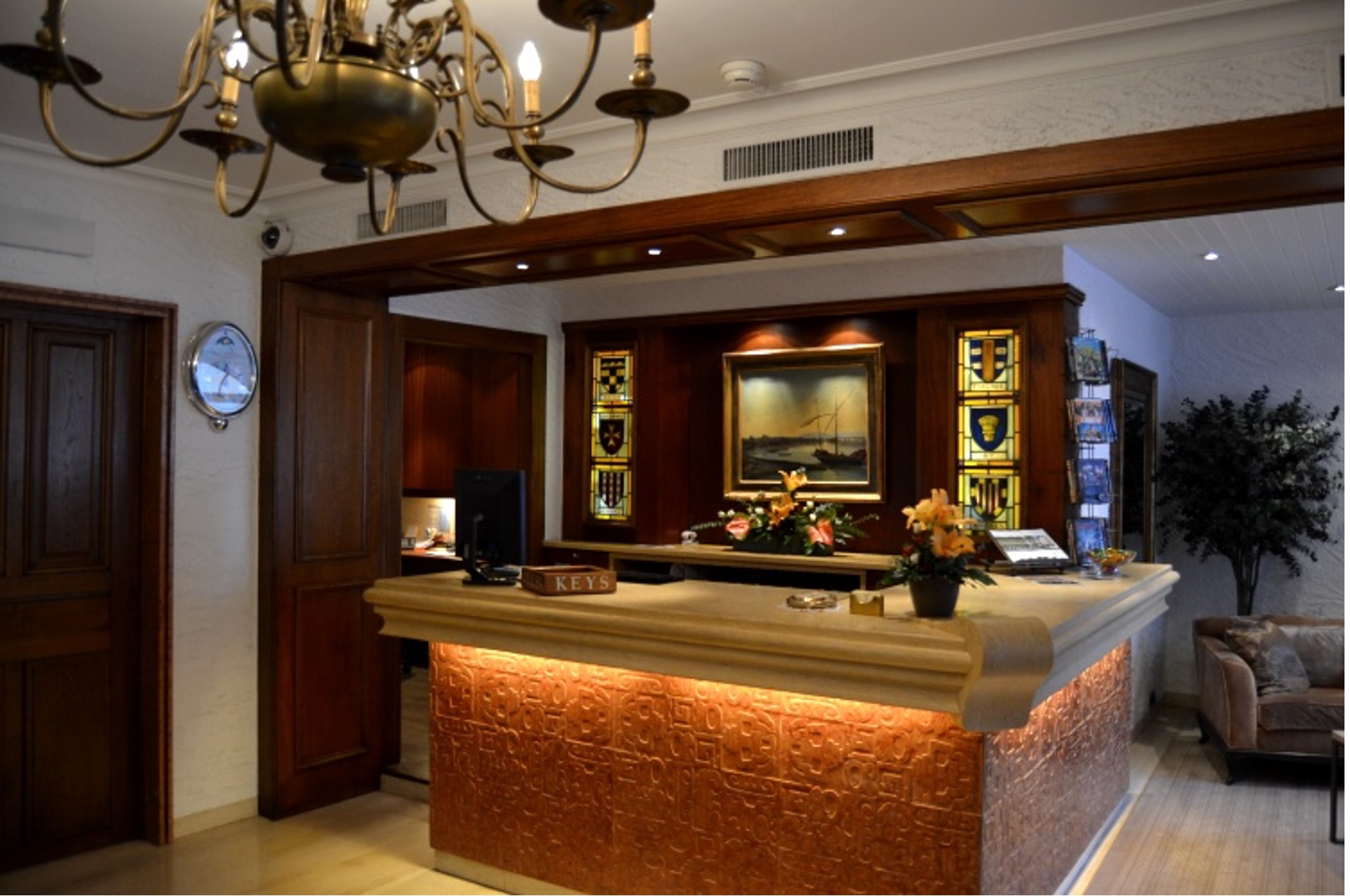
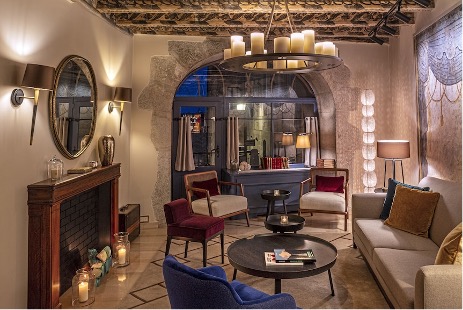
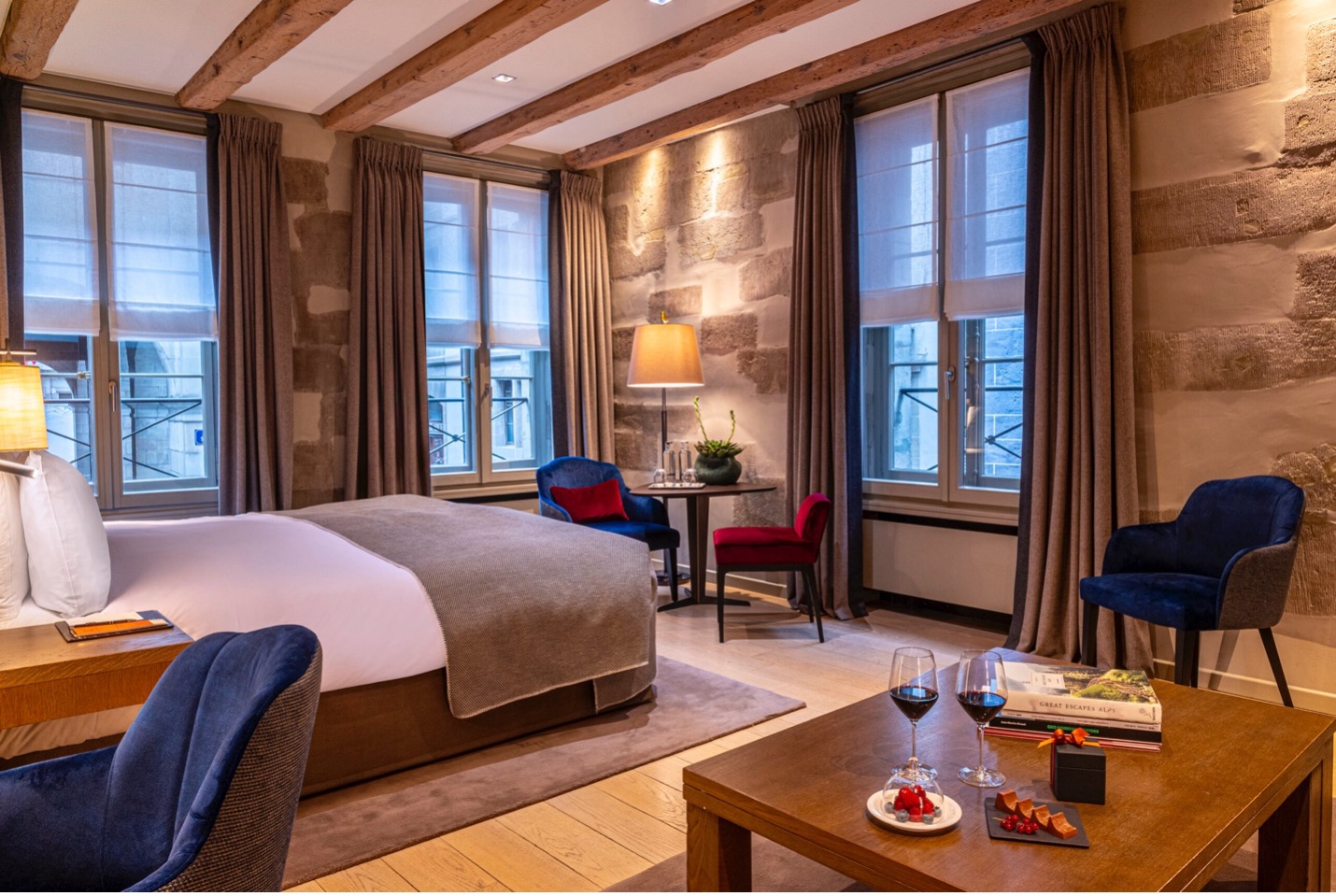
Inside, the architecture does heavy lifting. Vaulted stone, heavy wooden beams, frescoes from the Reformation era. If you have any interest in European history, the building alone justifies the rate. But heritage on its own does not produce loyalty. Guests still want a fast check-in, useful local recommendations, and the option to control their room temperature from their phone. The hotel that ignores either side of this falls short of both.
%2520(2).png)

Where Swiss Precision Slipped
Check-in at Les Armures was polite. That part is automatic in Switzerland. What surprised me was the wait. Nearly 30 minutes before the room keys were sorted. No one complained. Other guests went from admiring the medieval beams to checking their watches.
A delay this size is not a deal-breaker. It does point at something worth paying attention to: in five-star hospitality, operational efficiency is the floor, not the ceiling. A mobile check-in option or a digital key would solve this problem without disturbing the building's character. The two are not in conflict.
Dining: Two Atmospheres, One Decision
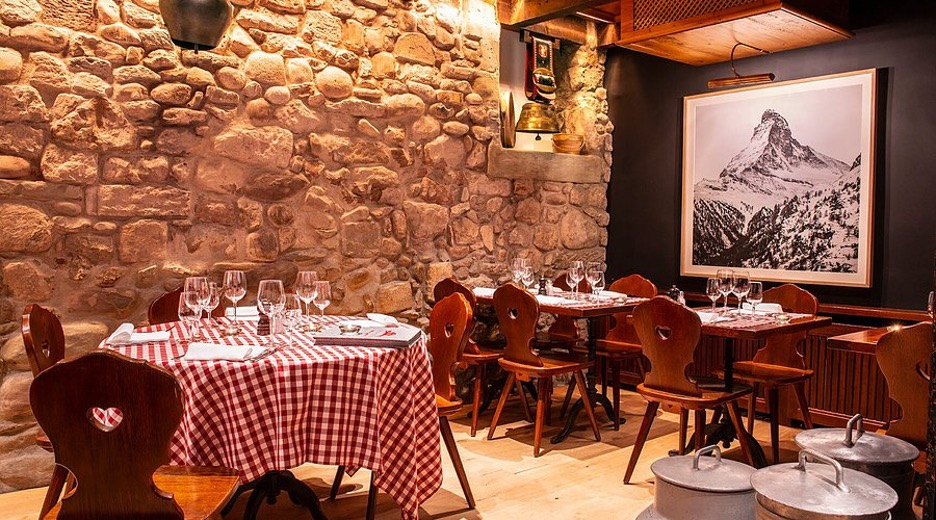
The hotel's restaurant is the cozy version of Swiss dining. Wood panels, a fondue that does what a fondue should do after a day in the cold, a quiet room.
A short walk downhill gets you to Da Paolo. Lively staff, occasional table-side cameos from the chef, a different energy entirely.
Both meals satisfy. The contrast matters. One is a quiet retreat. The other is a social hub. Neither is right or wrong. What matters is which one matches what your hotel has promised the guest.
If the brand promise is hushed intimacy, the quiet room wins. If it is local immersion, the lively one does. Atmosphere creates more memory than food does, and the most expensive mistake in F&B is letting the atmosphere drift from the positioning.
What Guests Actually Remember
Across the case studies in this series, one pattern keeps appearing. Guests remember how they felt more than what they did. A minute of real conversation at the front desk, "how was the lake walk this afternoon", will outlast the thread count of the sheets. This is not soft. It is the part of hospitality that compounds into reviews, return visits, and word of mouth.

Four Things That Work When You Blend Heritage with Modernity
Tell the story. Don't let the stone walls do the work alone. A quick Old Town walk in the afternoon, with a member of staff or a partnered guide, turns architecture into narrative. Guests leave with anecdotes, not just photos.
Precision plus personalisation. Efficiency is the baseline. Pair it with a personal touch. Remember the dessert a returning guest liked. Set up a day trip they did not ask for but would enjoy. Small moves like these are what turn a good hotel into a regular one.
Digital that fits the building. Mobile check-in, app concierge, smart room features. None of these need to clash with a 17th-century facade. Discreet QR codes, a touchscreen in the lobby that is softly lit, an app that works without forcing itself on the guest. The integration matters more than the technology.
Empower the staff. No app replaces a member of staff who knows the neighbourhood and is comfortable talking to guests about it. Local cafés, gallery openings, the bakery worth walking ten minutes for. These conversations are the line that show up in five-star reviews.
The Commercial Case
Properties like Les Armures live in cities that reward calm. Calm can drift into invisible if it is not paired with moments of genuine engagement. The data on this is consistent. Authentic guest engagement correlates with higher occupancy and stronger RevPAR. Engaged guests also do informal brand work, mentioning the hotel to friends, family, and online networks. That is revenue you do not pay for.
Where We Sit at Ali Bahbahani & Partners
In a city built on the precision of banks and watchmakers, a hotel's edge often comes from warmth rather than flawlessness. Les Armures shows what it looks like when the building, the operations, and the human side are all working. The same combination travels: a townhouse in London, a tower in Dubai, a souk-side property in Riyadh.
Three things keep showing up in the projects we run:
- Frictionless operations as the floor
- A genuine sense of place that the property earns rather than claims
- A staff culture where the human contact actually happens, repeatedly, not in scripted moments

If You Want to Move the Experience
We work with hotels on customer experience, hospitality consulting, and service transformation. Our work refines brand positioning, removes friction from operations, and builds the moments that turn a stay into a story the guest tells later.
Get in touch through alibahbahani.com.
Final Note
Geneva's quiet character can work two ways. It is either the canvas for an exceptional stay, or the backdrop to one that gets forgotten on the flight home. Les Armures is the reminder that heritage alone does not earn loyalty. Heritage paired with personal, useful, well-run hospitality does. That is the version of quiet sophistication worth building toward.