E-Marketing: Strategies for Success in the Digital Age
%201-min.avif)
.webp)
In 2019 I helped a Kuwaiti hospitality client move their entire marketing budget from print to digital. They had been spending 40,000 KD a year on magazine ads. When I asked what those ads had produced, the marketing manager pointed to a binder of clippings. No traffic data. No conversion tracking. No way to connect a single dinar of spending to a customer who walked through the door.
We redirected that budget to Google search ads targeting people actively looking for hotel event spaces in Kuwait, Instagram campaigns with booking links, and email sequences for past guests. Within six months the cost per booking inquiry dropped by 70% and they could tell you exactly which channel produced each one.
That is not a story about digital being better than print. It is a story about measurability. Marketing that cannot be measured cannot be improved.
What Changed and What Did Not
The tools have changed enormously. The principles have not. You still need to reach the right person with the right message at the time they are most receptive. Email marketing, social media advertising, search engine optimisation, and content marketing are all just different ways of doing that.
What changed is the feedback loop. A billboard sits on the highway for a month and you hope it works. A Google ad campaign tells you within hours whether anyone clicked, what they did after clicking, and what it cost you per result. That feedback loop is the actual advantage of digital marketing. Not the channels themselves, but the ability to adjust in real time based on what is working.

The Channels That Matter in the GCC
Search: Where Intent Lives
When someone types "best hotel for business events Kuwait" into Google, they are telling you exactly what they want. Search marketing, both organic and paid, captures demand that already exists. In Kuwait, where Google usage is near-universal, being visible when someone searches for what you sell is the single highest-return marketing investment most businesses can make.
The obstacle is that most Kuwaiti businesses treat their website as a brochure rather than a sales tool. A site that ranks nowhere on Google for the terms your customers actually search is invisible to the largest source of commercial intent on the internet.

Social Media: Brand, Not Sales
Instagram and TikTok are excellent for building brand awareness and maintaining presence. They are poor direct sales channels for most B2B companies and professional services. The confusion between brand and sales is where most social media budgets in Kuwait go wrong.
When we work on social media strategy with clients, the first thing we establish is what success looks like. If the goal is awareness among a specific audience, social works. If the goal is qualified leads, search and content marketing typically outperform social by a wide margin. Using the right channel for the right objective is the difference between strategy and activity.

Email: Still the Highest ROI
Email marketing is unglamorous and consistently undervalued. For businesses with an existing customer base, a well-built email programme produces returns that social media cannot match. The reason is simple: the people on your email list have already shown interest. You are not paying to reach them. You are paying to keep them engaged.
The mistake I see repeatedly: companies build an email list and then send the same generic newsletter to everyone on it. A customer who bought once wants different information than a prospect who signed up at an event. Segmentation is not complex, but it requires thinking about your audience as groups of people with different needs rather than one undifferentiated list.
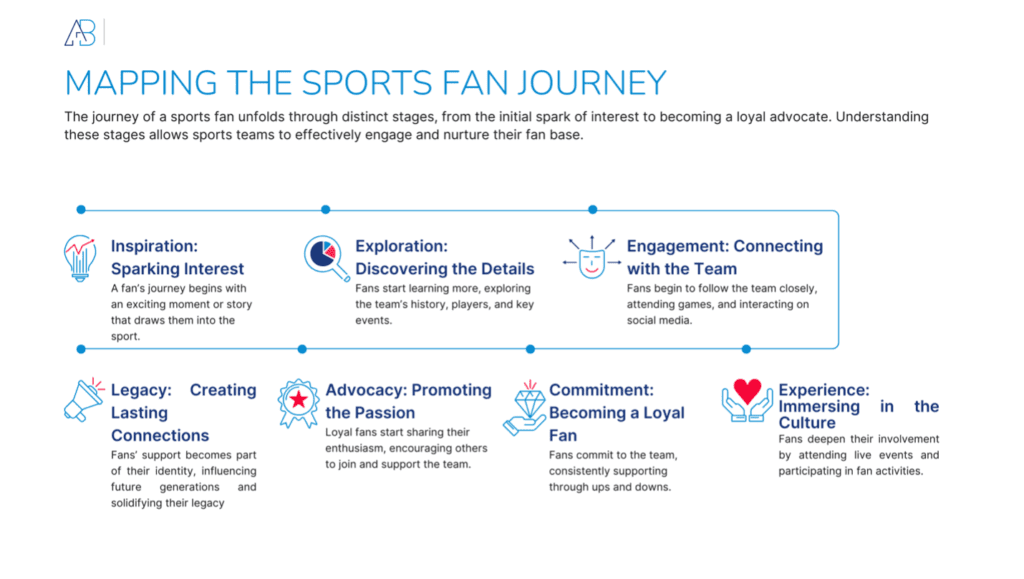
The Real Question Is Not Which Channel
Debates about whether to invest in Instagram or Google or email miss the point. The question is: where are your specific customers, what are they trying to do when they encounter you, and what do they need to hear to take the next step?
A strong digital marketing strategy starts with the customer journey and works backward to the channels. Not the other way around. When the strategy comes from the customer's behaviour rather than the marketer's preferences, the channel choice becomes obvious and the spend becomes measurable.
The hospitality client I mentioned now allocates budget quarterly based on what the data showed the previous quarter. The channels shift. The principle does not: spend where you can measure, measure what matters, and cut what does not produce.