Customer Loyalty Through Strategic Loyalty Programs
%201-min.avif)
.webp)
A Kuwaiti retail chain launched a loyalty programme three years ago. They gave points for every purchase and offered a 5% discount once you accumulated enough. After 18 months, they had 40,000 enrolled members and zero measurable change in repeat purchase behaviour. The people collecting points were the ones who would have bought anyway. The programme was rewarding existing behaviour, not creating new behaviour.
That is the fundamental problem with most loyalty programmes. They are discount schemes disguised as loyalty strategies. Real loyalty is not bought with points. It is earned through experiences that make switching feel like a loss.

What Loyalty Actually Means
A loyal customer is not someone who keeps buying because you give them discounts. That is price dependency. A loyal customer is someone who chooses you when a cheaper or more convenient alternative exists because they value the relationship, the experience, or the identity your brand represents.
Think about the brands you are genuinely loyal to. Is it because of their points programme? Or is it because the product is consistently good, the experience is easy, and switching would mean losing something you cannot easily replace? At the hotels I return to, my loyalty is not driven by the rewards programme. It is driven by the fact that they know my preferences, the service is reliable, and the experience improves each time I visit.

Before Building a Programme, Fix the Experience
Most companies that come to us asking for a loyalty programme actually need something else first. If your customer experience has friction that causes people to leave, a loyalty programme will not fix it. You will just give discounts to unhappy customers who leave anyway.
The retail chain I mentioned had a 25% annual customer attrition rate. When we mapped their customer journey, the attrition was driven by three specific friction points — a classic case where strategy needs to translate into a customer journey that actually converts: inconsistent stock availability, slow checkout during peak hours, and a returns process that required a manager's approval. Fixing those three issues reduced attrition more than the loyalty programme ever did.
A loyalty programme built on top of a broken experience is like painting a house with a leaking roof. Fix the roof first.

Programme Design That Changes Behaviour
If you are going to build a loyalty programme, design it to change behaviour, not reward it. The question is: what do you want customers to do differently? Visit more frequently? Spend more per visit? Try a new product category? Refer a friend? The programme should incentivise the specific behaviour you want, not just give generic rewards for generic activity.
A coffee shop that rewards every 10th drink free is rewarding frequency. That is fine if frequency is the problem. But if the problem is that customers never try the food menu, the programme should incentivise a first food purchase instead. Specificity in programme design produces specificity in customer behaviour.
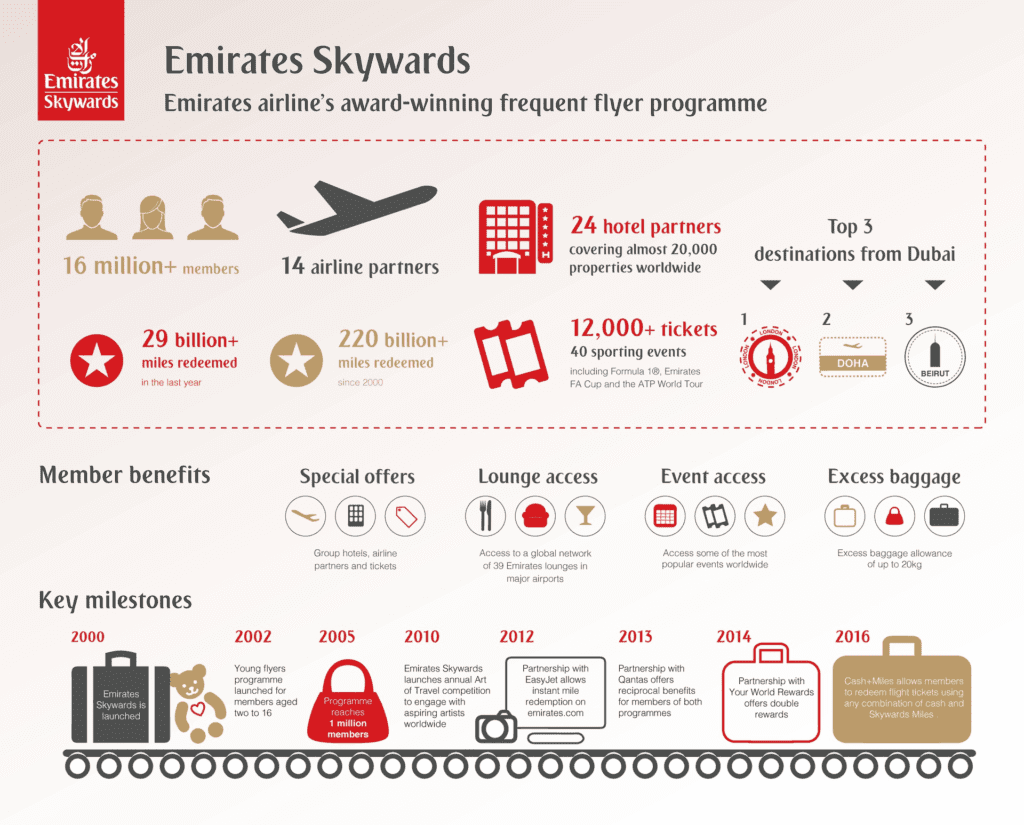
Emotional Loyalty Is Worth More Than Transactional Loyalty
The programmes that produce the best long-term results are the ones that make members feel something. Priority access. Recognition. Exclusive experiences. A birthday call from the store manager. These cost less than discounts and produce stronger attachment because they address a human need that points cannot satisfy: the need to feel valued.
I wrote about this extensively in the Kama Muta article. The moments that create lasting loyalty are the moments that move people emotionally. A points balance does not create emotion. A personal gesture does. The best loyalty programmes combine a rational structure (clear rewards, fair rules, genuine value) with emotional touchpoints that make the member feel part of something.
Before investing in a loyalty programme, ask whether your customers would miss you if you disappeared. If the answer is no, the problem is not the absence of a programme. It is the absence of a reason to care. Fix that first, and loyalty follows.