How Movies and TV Shows Shape Hotel Demand
.webp)
I went to Taormina, Sicily, because of The White Lotus Season 2. The plan was to stay at the San Domenico Palace, the Four Seasons property the show was filmed in. Then I looked at the rates after the season aired. My friends and I booked somewhere else and walked over to San Domenico Palace for an afternoon.
We had drinks at the bar where the tense scenes happened. Walked the lobby. Looked at the restaurant from the show. Left with photos and stories, no room key. It was still worth the trip.
That experience is what most of this article is about. Film and TV move hotel demand. Sometimes the demand lands in the featured property. More often it spreads out across the destination, where the day-trippers, the bar revenue, and the surrounding properties all benefit too.
Set-Jetting
The term sounds invented. The behaviour is real. 61% of global travellers now plan trips based on movies, TV shows, or streaming series. Recent examples:
- The Bear (FX). Chicago's culinary scene on screen produced a 45% rise in Google searches for "Chicago travel."
- Succession (HBO). Season 4's Norwegian fjords drove a 65% increase in Norway-related searches in 2023.
- Emily in Paris (Netflix). A 22% rise in US tourist arrivals to Paris in 2022, partly attributed to the show.
The mechanism is straightforward. People watch. People want to be where the scene was shot. People book.


Stats Worth Holding Onto
- 425% website traffic jump at Four Seasons Maui after The White Lotus Season 1
- 312% booking increase at Four Seasons Resort Koh Samui within days of Season 3's debut
- 50% surge in online searches for Taormina after Season 2
- 20% occupancy increase at San Domenico Palace following the search spike
- 20% booking increase at Park Hyatt Tokyo after Lost in Translation


Real Cases
The Beach (2000)
Location: Maya Bay, Ko Phi Phi Le, Thailand. Impact: Daily visitor numbers went from a few hundred to roughly 5,000 by 2001. Nearby Zeavola Resort on Ko Phi Phi Don saw a 30% occupancy boost between 1999 and 2001. Cost: Environmental damage forced a multi-year closure from 2018 to 2022 to restore the coral reefs. The single most-cited cautionary tale in set-jetting economics.
The White Lotus
Season 1 (2021, Maui). Four Seasons Maui site traffic up 425%. Bookings up 15%. Season 2 (2022, Sicily). 50% search surge for Taormina. 20% occupancy increase at San Domenico Palace in 2023. Season 3 (2025, Thailand). Four Seasons Koh Samui saw a 312% booking jump within eight days of the 16 February premiere.
Other Hotel Wins
- Park Hyatt Tokyo (Lost in Translation, 2003): 20% booking increase in 2004
- The Plaza Hotel, New York (Home Alone 2): Holiday "Home Alone" package consistently lifts December bookings by 25%
- Beverly Wilshire, Beverly Hills (Pretty Woman): "Pretty Woman for a Day" packages still run
- Hotel del Coronado, San Diego (Some Like It Hot): Film-themed events bring an extra 15,000 visitors a year and a 12% revenue rise since 2019
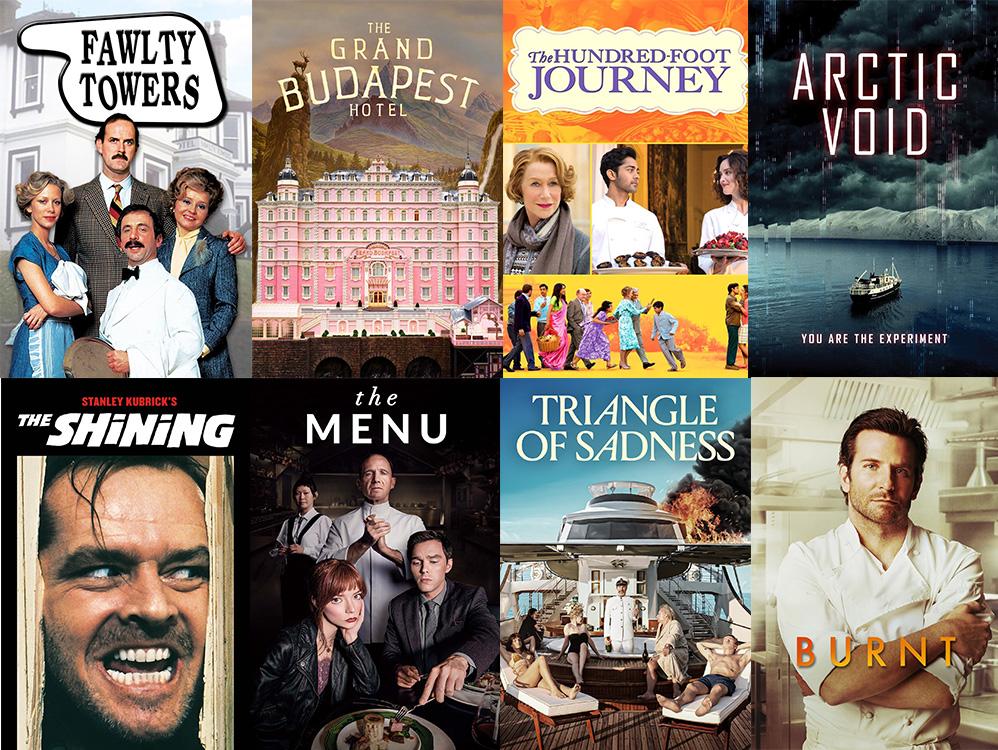
- The Stanley Hotel, Colorado (The Shining inspiration): 50,000 annual tour guests, mostly day visits, with consistent overflow into rooms


The Gulf Opportunity
Europe and the Americas dominate set-jetting headlines. Dubai and Saudi Arabia are quietly building their own version of the same engine.
Dubai
Mission: Impossible – Ghost Protocol (2011). Tom Cruise's Burj Khalifa stunt produced a measurable bump in tourist arrivals in 2012. Burj Al Arab saw a booking lift.
The Real Housewives of Dubai (2022). The show puts the city's hotels and nightlife on display. Fans book what they see on screen.
Address Downtown. Periodic occupancy spikes whenever the property shows up in influencer content highlighting the Dubai skyline.
Saudi Arabia
Kandahar (2023). Partially filmed in AlUla. Drove a 25% jump in local tourism in 2024. Banyan Tree AlUla recorded a 15% occupancy rise.
Habitas AlUla. Another AlUla retreat reporting a 12% booking lift in 2024, attributed to Kandahar viewers.
Royal Commission collaborations. Saudi Arabia is actively partnering with international productions to feature heritage sites. The strategy targets visibility for Jeddah, Riyadh, and NEOM. This is the most coordinated national set-jetting strategy currently being built anywhere.


Why The Effect Keeps Working
Three reasons sit underneath the data.
Social media amplifies the original signal. A scene goes viral. The hotel goes viral. The reservation system gets the traffic.
Story creates a reason to travel. Fans want a deeper connection than a standard holiday. Visiting the location turns the trip into part of a narrative the visitor was already invested in.
The featured location can carry brand weight for years. Park Hyatt Tokyo is still riding Lost in Translation more than two decades later.
The Maya Bay risk is real. Demand without environmental controls produces damage that closes the asset. Properties and destinations that benefit need to plan capacity, daily caps, and conservation rules from day one. The hype is short. The damage compounds.


What Hotels Should Do
Themed packages. Spa menus, dinner pairings, scene recreations in the lobby. Cheap to build, easy to market.
Photo spots. Make iconic moments easy for guests to recreate. Free social media distribution follows.
Local guide partnerships. Tours to filming locations. Walking routes. The hotel becomes the base for the experience, not just the room.
Authentic narrative in marketing. If your property had any genuine on-screen presence, surface it. Vague tie-ins read as desperate. Real tie-ins read as proud.

The Day-Trip Economy
My Taormina visit makes the same point most of this article does. You do not need the room booking to capture some of the value of being a set-jetting destination. The afternoon visit to San Domenico Palace produced bar revenue, photos that turned into word-of-mouth, and a story I am now writing about it.
On-screen exposure benefits the room nights, but it also produces day trips, restaurant reservations, and the ancillary economy that surrounds the property. Featured hotels that build for both layers do better than featured hotels that try to capture only the overnight booking.


Next Steps
We help hotels turn screen exposure into demand they can plan around:
- Hospitality concept work. Build the screen-inspired layer into the product.
- Brand storytelling. Surface the on-screen connection in marketing materials.
- Demand strategy. Capture the set-jetting audience deliberately rather than reactively.
Get in touch to talk about your property's on-screen potential.