Effective Customer Acquisition Tactics
%201-min.avif)
.webp)
A restaurant owner in Salmiya told me last year that he spends 800 KD a month on Instagram ads. When I asked how many new customers those ads brought in, he could not answer. He knew his follower count had gone up. He could not tell me what a single new customer cost him to acquire.
This is the norm in Kuwait, not the exception. Most businesses spend money attracting customers without measuring what that money actually produces. They confuse visibility with acquisition. A post that reaches 50,000 people and converts none of them into paying customers is not a customer acquisition strategy. It is an expense with no return.
Acquisition Starts Before Marketing
The first question is not "how do we get more customers?" It is "which customers are we trying to get, and what would make them choose us over everyone else?" Without specific answers to both, every KD spent on acquisition is a guess.
When I work with clients on customer acquisition strategy, we start by profiling the customers they already have who spend the most and refer others. Then we figure out where those people spend their time, what problems they are trying to solve, and what message would actually get their attention. Only then do we talk about channels and budgets.
The Salmiya restaurant owner, once we ran this exercise, discovered that his best customers came from word of mouth after trying his lunch specials. His acquisition strategy should have focused on making those lunch customers so satisfied they told their colleagues. Not on boosting posts to strangers at midnight.
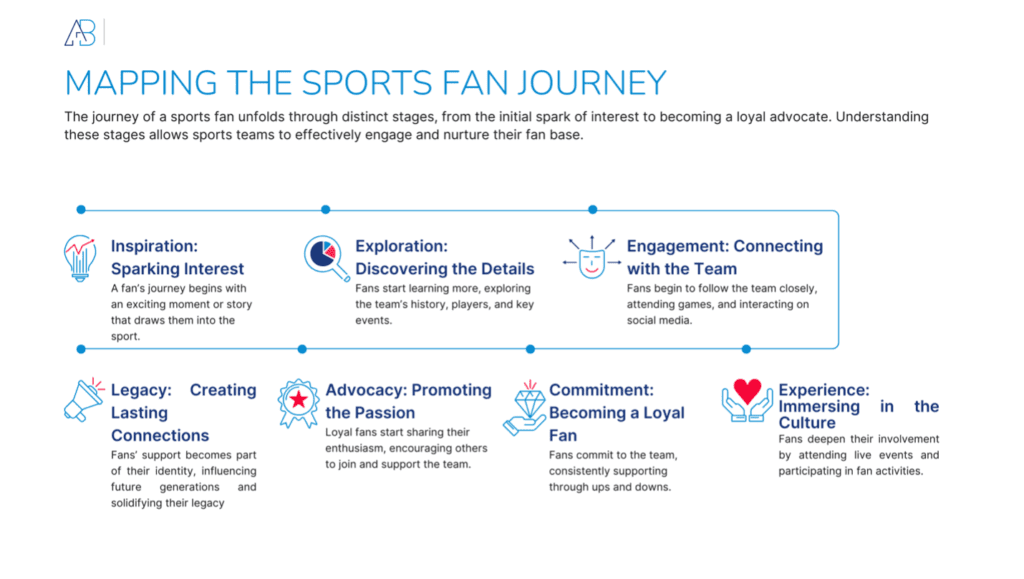
The Channel Is Not the Strategy
Instagram is not a strategy. Google Ads is not a strategy. A booth at a trade show is not a strategy. These are channels. The strategy is the thinking that connects a specific audience to a specific message through the right channel at the right moment in their decision process.
In Kuwait, I see companies throw money at every channel at once: Instagram, TikTok, Google, billboards, SMS blasts, influencer partnerships. They call it broad coverage. What it actually is, is unfocused spending. A company with 500 KD should own one channel completely rather than spread 100 KD across five and own none of them.
The right channel depends on where your target customer is in their journey. Someone searching Google for "best CRM for small business Kuwait" has buying intent. Someone scrolling Instagram reels at midnight does not. The same 100 KD spent on those two audiences will produce entirely different results.
What Works in This Market
Referrals Are Undervalued
Kuwait is a relationship market. People trust recommendations from people they know far more than any advertisement. Yet most businesses treat referrals as something that happens on its own rather than something you design and measure.
A structured referral programme does not need to be complicated. It needs to be easy for the referrer, valuable for the new customer, and tracked so you know what is working. The businesses I advise that invest in referrals typically see a lower acquisition cost and higher lifetime value from referred customers than from any paid channel.

Content That Answers Real Questions
When we built the content strategy for alibahbahani.com, the articles that drove the most qualified enquiries were not the ones promoting our services. They were the ones answering specific questions that potential clients were already searching for. "How to prepare for an IPO in Kuwait." "How to improve your hotel's customer journey." When you answer the question someone is already asking, you do not need to convince them you know the topic.
This applies to every industry. A car dealership in Kuwait that publishes a genuine comparison of SUV models will attract buyers earlier in their decision process than one running a generic "visit our showroom" ad. I watched this work firsthand during my years at Ali Alghanim and Sons, where content about vehicle features consistently outperformed promotional campaigns for driving showroom traffic.
Your Existing Customers Are Your Cheapest Acquisition Channel
The most overlooked customer acquisition strategy is keeping the customers you already have. A retained customer refers, repurchases, and costs nothing to re-acquire. A lost customer costs you the original acquisition spend plus whatever it takes to replace them.
I see this gap constantly in the GCC. Companies will spend thousands on attracting new customers while ignoring the ones who are quietly leaving because nobody followed up after the first sale. The friction in post-purchase experience is where most businesses lose more customers than they gain through marketing.

Measuring What You Actually Need to Measure
Customer Acquisition Cost (CAC) is the number that matters. Total marketing and sales spend divided by the number of new customers acquired in that period. If you do not know this number, you cannot know whether your acquisition strategy is working or burning money.
Beyond CAC, track where each customer came from. Not just "Instagram" or "Google" but the specific campaign, post, or page. When I consult with brand and growth clients, the first thing we do is set up proper attribution so that every KD of spend can be connected to a result. Without this, every marketing decision is based on feeling rather than fact.
The companies in Kuwait that grow fastest are not the ones spending the most on acquisition. They are the ones who know exactly what each customer costs to acquire, which channels deliver the best customers, and where the friction sits between first contact and first purchase. That knowledge turns marketing from an expense into an investment with a measurable return.