A Flight with British Airways: When Luxury Falls Short
%20(12)%201-min.avif)
.webp)
In May 2024, I boarded a British Airways Club World flight from London Heathrow to Antigua. It was a mileage redemption — a reward for years of loyalty to an airline I've flown more times than I can count. By the time we landed, I found myself wondering whether that loyalty had been misplaced.
The cabin that time forgot
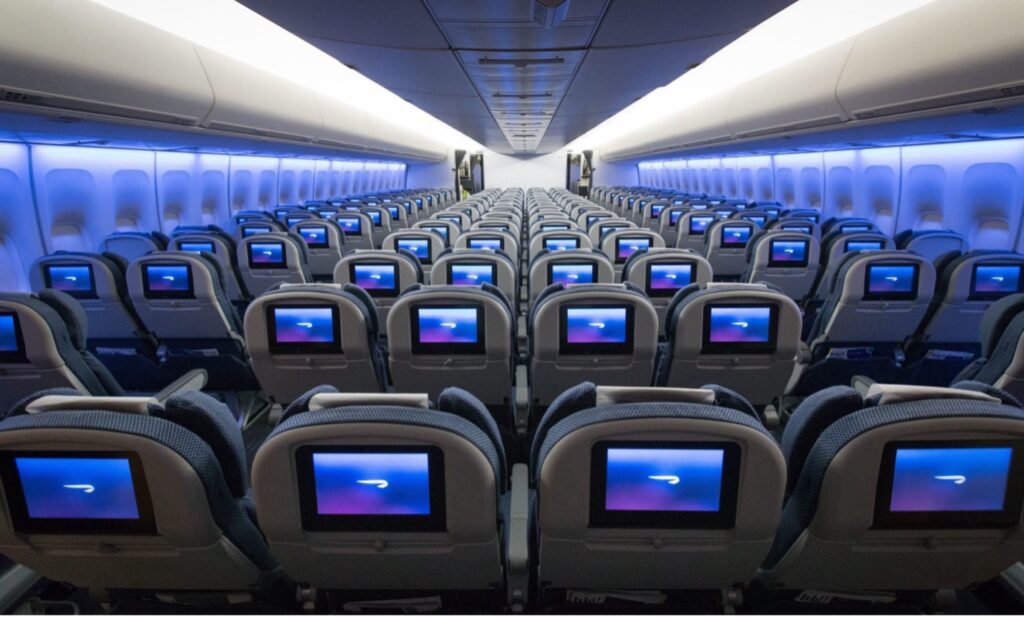
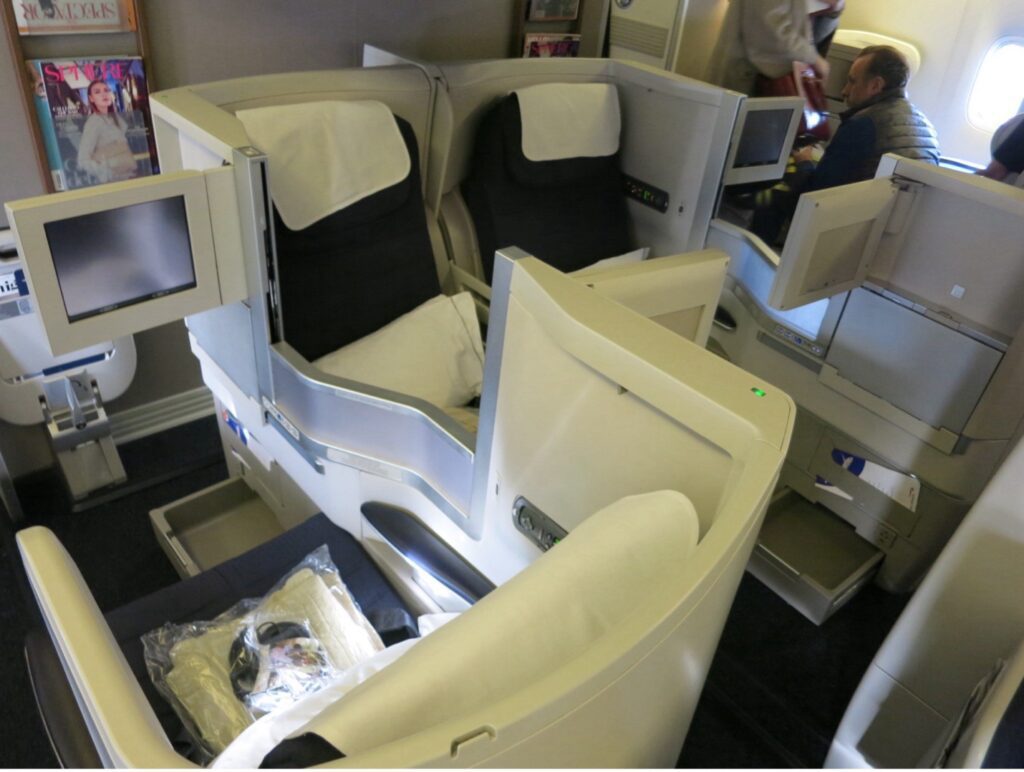
Club World is British Airways' long-haul business product. The seat folds flat into a bed, faces alternately forward and backward in a herringbone configuration, and offers a reasonable amount of privacy. It is, in theory, a premium product. In practice, it feels like stepping into 2004.
The seat itself hasn't meaningfully changed in two decades. The entertainment screen is small, slow, and resistive, you tap it the way you'd tap an old ATM, hoping it registers. The content library is adequate but the interface makes browsing it feel like work. On a nine-hour overnight flight, the entertainment system is not a luxury, it's a necessity. BA treats it like an afterthought.
The cabin design follows the same logic. Nothing broken, nothing offensive, nothing that would make you look up from your screen. Just a quietly dated environment that communicates, in its own way, that the airline hasn't felt the need to impress you in a while.
An Outdated Digital Experience
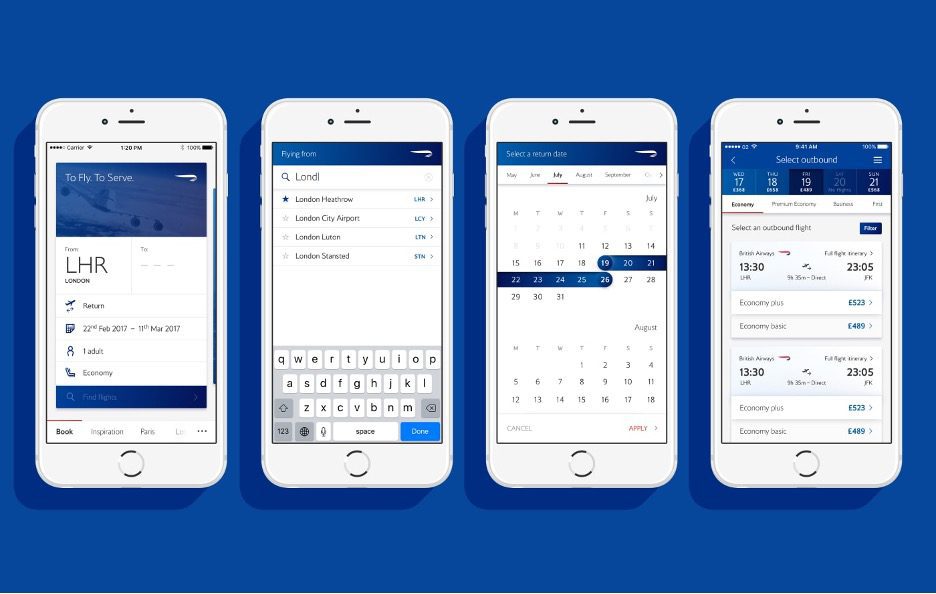
In our increasingly digital age, the importance of a smooth mobile experience cannot be overstated. Unfortunately, BA's mobile application feels like a relic from a bygone era. working through the app is often a cumbersome process. Slow load times and a user interface that lacks intuitiveness. Tasks that should be straightforward, like managing bookings or accessing frequent flyer information, sometimes redirect users to the web version, disrupting the user experience.
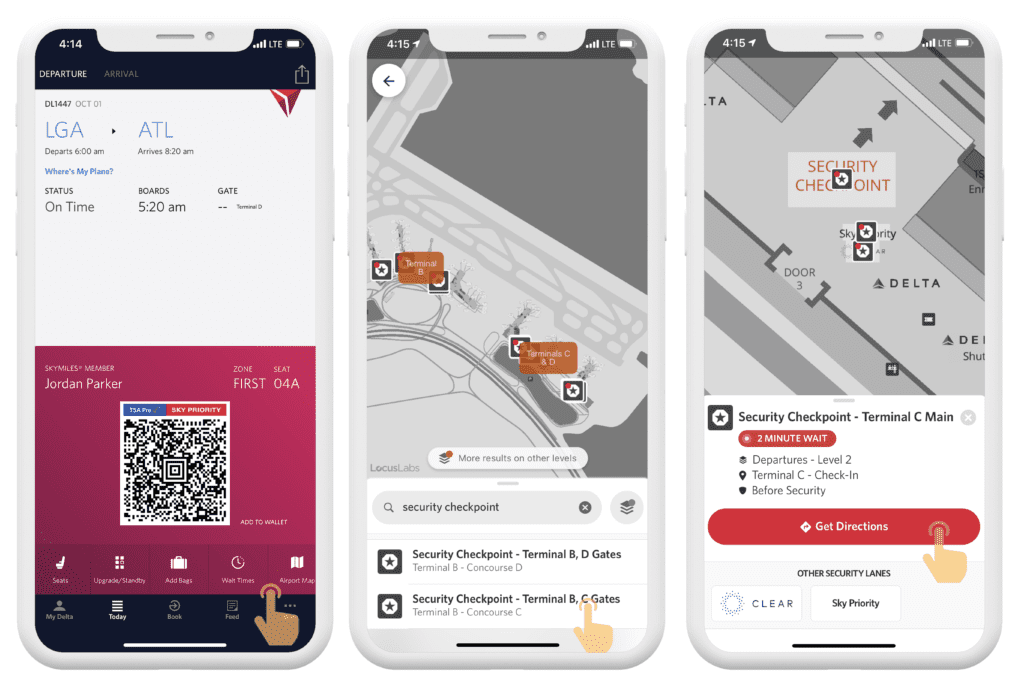
Contrast this with airlines like Delta Air Lines, whose aps are models of efficiency and user-friendliness. Delta's app offers real-time updates, easy modifications to bookings, and even tracks your baggage. BA's reluctance to invest in a more modern app not only frustrates passengers but also undermines its image as a leading airline.
The loyalty gap
I booked this flight on Avios, British Airways' reward currency, accumulated over years of flying with them. The redemption process involved a phone call that lasted longer than it should have for something that should be manageable online. This is not a new complaint about BA. It is a persistent one, which makes it more damning, not less. Competitors have made loyalty programmes genuinely useful. BA has made theirs survivable.
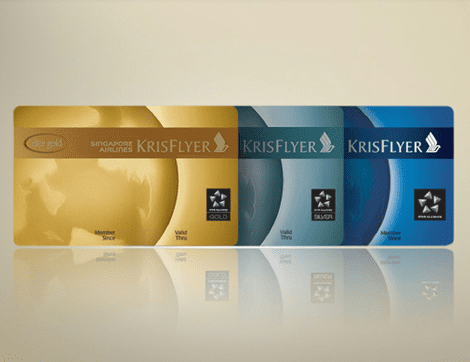
Singapore Airlines' KrisFlyer program offers a stark contrast, with flexible redemption options and a user-friendly online platform. BA could greatly enhance customer satisfaction by simplifying redemption processes and expanding availability. BA can start adopting digital solutions that empower travelers to manage their rewards with ease.
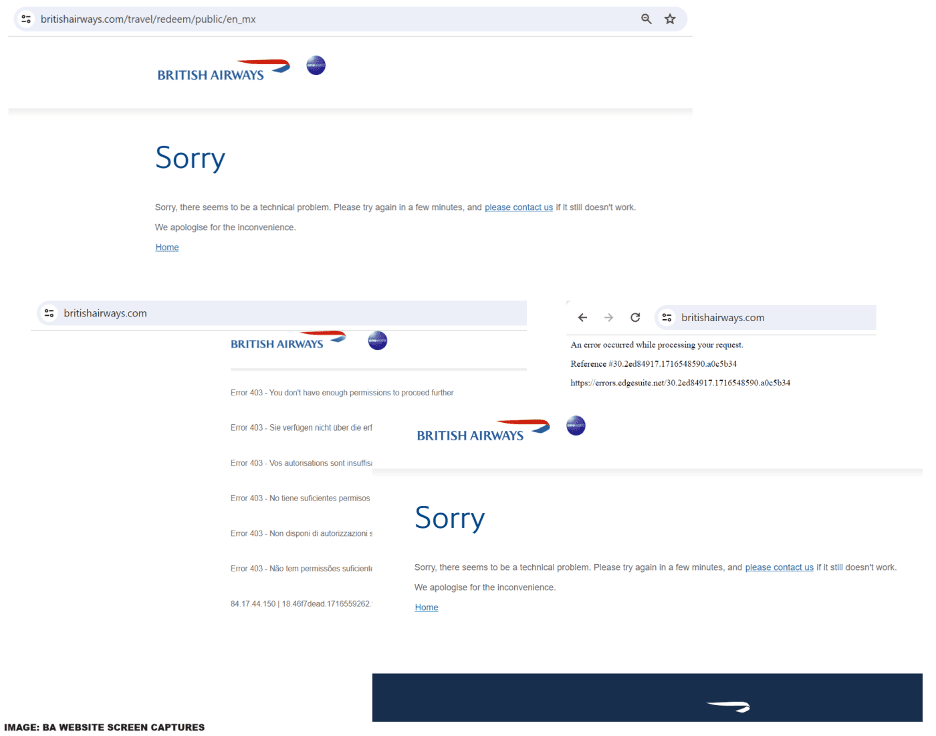
Customer Service: Falling Short of Expectations
Time is a precious commodity, especially for business travelers. Spending over 30 minutes on the phone to resolve basic issues is far from ideal. Whether it is changing a reservation or attempting to upgrade with Avios, the inefficiency of BA's customer service model stands out. In an era where airlines like Singapore Airlines provide 24/7 live chat support and swift issue resolution, BA's reliance on traditional call centers seems outdated. Adopting modern customer service tools, such as AI-powered chatbots and expanded online functionalities, could significantly enhance the customer experience. These innovations would not only reduce wait times but also align BA with industry best practices.
The food: fine, forgettable
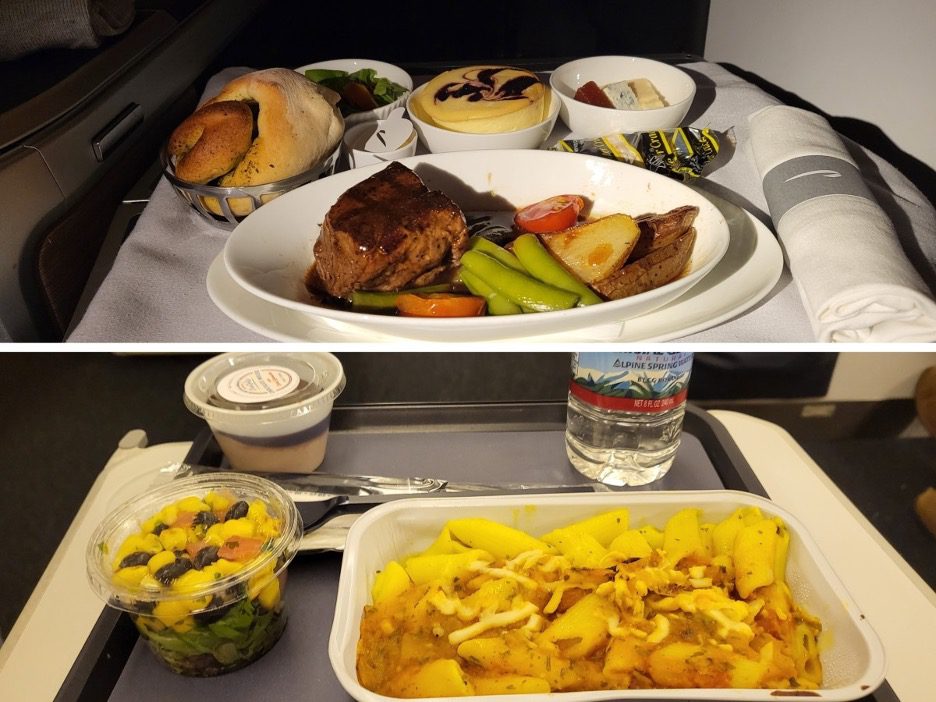
The meal service followed the familiar BA script. Adequate portions, safe choices, competent execution. Nothing that made me think someone in a test kitchen had cared deeply about what ended up on my tray. The bread was good. Everything else was the kind of food you eat because you're on a long flight, not because you're hungry.
The snacks available between meals, those little offerings that on other airlines feel like a genuine gesture, were the same ones I remember from BA flights years ago. Not bad. Just unchanged, which on a premium product is its own kind of message.
The service: professional, not personal
The crew were professional throughout. Requests were handled without issue. Nobody was rude or inattentive. But there's a difference between a crew that is professionally executing a service manual and a crew that makes you feel like a guest, and BA reliably delivers the former. On airlines like Singapore or Qatar, you notice the difference immediately, a warmth, a genuine attentiveness, a sense that the person serving you has thought about your comfort rather than just completed the task. On this flight, service was present. Hospitality was not.
Aging Aircraft on Key Routes
Deploying older aircraft on routes like Kuwait-London sends a concerning message about BA's commitment to passenger comfort. Outdated seating and amenities fall short when compared to competitors offering advanced cabins and in-flight technology.
The broader picture
I don't write this as someone who dislikes British Airways. I've flown with them for years and will continue to do so when the route or the redemption makes sense. The safety record is impeccable. The network is genuinely extensive. Many of the staff are excellent at what they do.
But there is a version of BA that lives in the memory — the airline of Concorde, of a certain kind of understated British excellence — and then there is the product you actually board today. The gap between those two things is where the brand problem lives. An airline that trades on heritage while its physical product stagnates is making a bet that passengers won't notice. Some won't. But those who fly Singapore, Qatar, or Emirates regularly absolutely will, and once you've noticed the gap, it's hard to unsee it.
The flight got me to Antigua. Club World delivered what it promised in the most technical sense. But on a nine-hour overnight flight, technical adequacy isn't the standard a premium airline should be aiming for.