Luxury Brand Experiences: The Essence Beyond the Ordinary
%201-min.avif)
.webp)
Luxury has changed. It used to be about owning expensive things. Now it is about experiences that feel personal, are hard to access, and produce some kind of emotional weight. Buying the watch is no longer the point. Being the kind of person who has the watch, the trip, the table, and the access is what now defines luxury for most of the market.
Millennials are driving the shift. They spend on experience over object, and the broader market follows them.
What Defines Luxury Now
Luxury is subjective. For one person it is a quiet villa with nobody else around. For another it is the craftsmanship of a watch movement or the cut of a suit. The common threads sit underneath: exclusivity, personalisation, service that gets the small things right.
The change since the 1990s is real. Luxury used to be about display. Now it is about how something makes the buyer feel. Virtuoso reports that 84% of high-net-worth individuals prioritise unique, immersive experiences over traditional luxury purchases. That figure has been climbing for a decade and continues to climb.

Travel: What the Wealthy Actually Want
I have spent twenty years staying in hotels, more than 200 properties at this point, and the pattern is consistent across geographies. The headline definitions of luxury vary by culture. The underlying preference does not. Wealthy travellers want their trip designed around them.
The data supports this. 56% of luxury travellers now want curated itineraries built around personal preferences. Five-star alone no longer earns the booking. What earns it is the dinner in a private vineyard, the sunrise yoga that wasn't on the schedule, the operator who remembered last year's request.

How the Industry Is Responding
Experiential luxury is now where the growth is. Brands that built themselves on high-end goods are quietly pivoting toward bespoke experiences.
Four Seasons and Aman are two of the clearer examples. Both have positioned themselves around personalised wellness retreats and culturally immersive programmes. The product is no longer the room. The product is the change in state the guest feels by the time they check out. That repositioning is harder than it looks. It requires the staff, the operations, and the partnerships in each market to actually deliver what the brand is now promising.

Ultra-Luxury: A Different Category
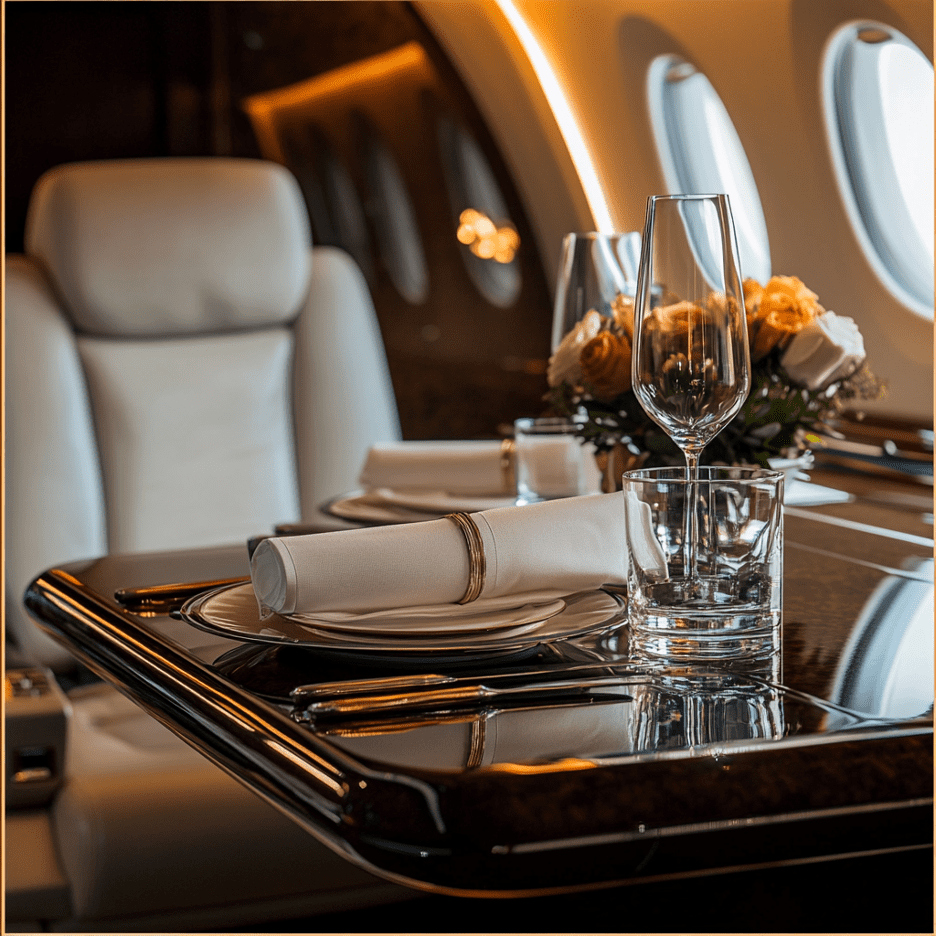
Ultra-luxury sits one layer above. The product here is access. A private Arctic expedition. A bespoke watch built for one person. An island that costs more for a week than most properties cost for a year. The economics work because the buyer is paying for what others cannot have, not just for what they can.
Knight Frank's Wealth Report has been tracking this category for years. The consistent finding is that ultra-luxury is about unique experiences alongside high-end products. Private aviation, gallery access at hours the public never sees, limited editions that are not advertised. The marketing layer is invisible. The product is the point.

Personalisation in Ultra-Luxury Travel
Personalisation is the core of the category, particularly in travel. Every detail is expected to map to the buyer. Luxury brands are using technology to deliver this at the level the buyer expects.
AI tools and predictive analytics now help operators surface preferences before the trip begins. The room temperature, the pillow type, the breakfast time, the wine on arrival. None of this is new in principle. What is new is the operational consistency, which used to be only available in flagship properties and is now spreading across the network.
Abercrombie & Kent and operators like them use client data to build trips that fit the buyer's tastes precisely. Wines sourced for a private dinner. Cultural tours arranged for a guest who studied that period at university. The ability to predict and deliver is now what separates ultra-luxury from the merely expensive.
Quality and Service
True luxury still requires uncompromising quality. Every part of the experience needs to hold up. The materials, the service script, the timing, the recovery when something goes wrong.
The Ritz-Carlton "Gold Standards" remain one of the cleanest examples of this thinking. Employees are empowered to make decisions and create the right moment without escalation. Anticipating guest needs is the standard, not the exception. The result is the kind of attention to detail that the buyer cannot always articulate but always notices.

Exclusivity and Scarcity
Luxury depends on scarcity. A Hermès Birkin works as a luxury product partly because most people cannot buy one. A private island works the same way. The limited availability is not a marketing tactic. It is the economics of the category.
Patek Philippe and Rolls-Royce both control production deliberately. Output is capped. Waiting lists are real. The exclusivity is curated. This is why their products hold their value and their status remains intact across decades.
Investment in the Experience
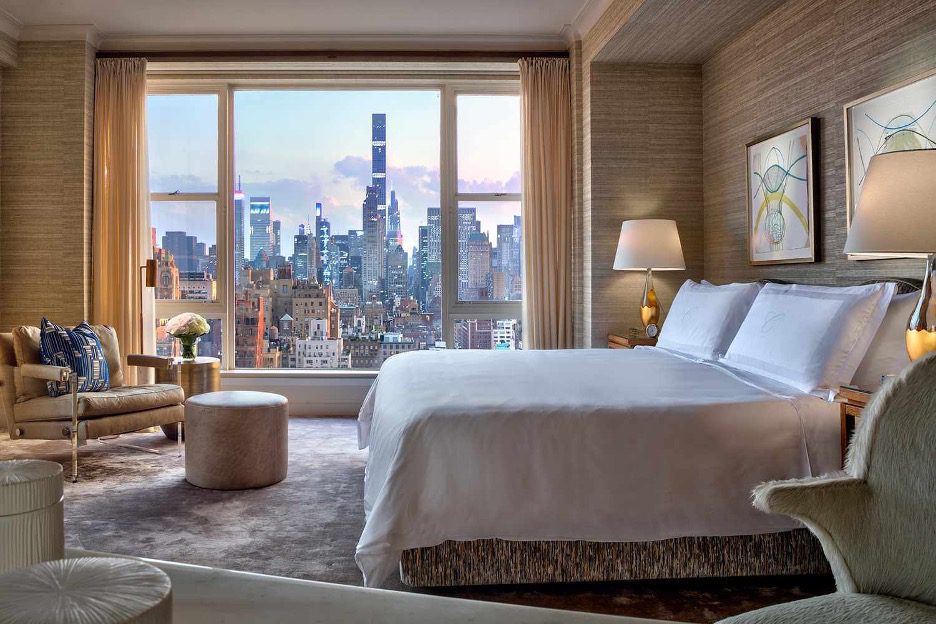
Consumer behaviour at the top of the market is shifting toward experience and emotional resonance. Over 50% of luxury consumers now value personalised experiences and meaningful brand interactions over the product itself.
Brands are responding by building environments that produce these connections. Interactive flagship spaces. Private events curated for known clients. Brand homes that work as social venues rather than retail floors. The future of luxury sits in moments rather than transactions, and the brands building that infrastructure now will own the next decade.

Conclusion
Luxury used to be defined by what you owned. It is now defined by what you experience and how you remember it. Personalisation, scarcity, and emotional weight are the three things the modern luxury buyer wants. The brands that will win the next cycle are the ones that build the operations to deliver on all three, consistently, across geographies, without the buyer ever feeling the machinery.
We work with operators on concept creation, brand positioning, and the service design that makes the experience repeatable. Contact us, or visit our Hospitality Concept Creation services for more.